
 Arabic
  English
  French
  German
  Italian
  Russian
  Spanish
 ال كابل خانق جزازة العشب هو مكون تحكم حيوي في محركات البنزين الصغيرة، ينظم بشكل أساسي فتح وإغلاق مساعد الخانق (choke) الخاص بمكربن الهواء لضبط نسبة خليط الهواء والوقود أثناء البدء البارد. في معدات الحدائق الحديثة، يعد كابل الشوكس جزءًا أساسيًا من نظام بدء تشغيل المحرك، مما يؤثر بشكل مباشر على كفاءة بدء تشغيل جزازة العشب، واستقرار التشغيل، واقتصاد استهلاك الوقود.

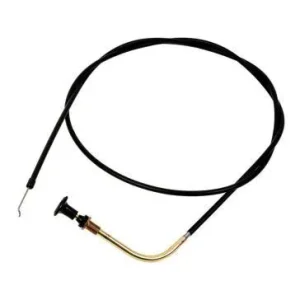
أهمية الـ كابل الخانق يتجلى ذلك في مجالين رئيسيين. أولاً، إنه عنصر حاسم لضمان بدء التشغيل البارد بسلاسة. في البيئات الباردة أو بعد إيقاف تشغيل المحرك لفترة طويلة، تتطلب درجات حرارة الأسطوانة المنخفضة وضعف تذرية الوقود إغلاق الخانق لإثراء خليط الهواء والوقود، مما يتيح الاشتعال وبدء التشغيل بنجاح. ثانيًا، تؤثر الحالة التشغيلية لكابل الخانق أيضًا على استقرار تشغيل المحرك. يمكن أن تتسبب أعطال الكابل في نسب هواء ووقود غير طبيعية، مما يؤدي إلى مشاكل مثل صعوبة البدء، أو عدم استقرار سلوك المحرك، أو ضعف الطاقة، أو حتى الفشل التام في البدء.
مع تقدم تكنولوجيا معدات تنسيق الحدائق، تزايدت المطالب بالراحة التشغيلية والموثوقية، مما أدى إلى تطور طرق التحكم في الخانق. يشمل هذا التقدم التحكم اليدوي الميكانيكي المبكر، وأنظمة الخانق الآلية لاحقًا، والآن يشمل أنظمة الخانق التي يتم التحكم فيها إلكترونيًا في بعض جزازات العشب المتطورة. ومع ذلك، في معظم جزازات العشب الصغيرة والمتوسطة الحجم، يظل الكابل التقليدي للخانق الذي يتم تشغيله بالكابل هو الحل السائد بسبب بساطته وتكلفته المنخفضة وسهولة صيانته وموثوقيته العالية.
تاريخ كابل خانق جزازة العشب
في أواخر القرن التاسع عشر, ، أدت التطورات في تكنولوجيا محركات البنزين إلى تطبيق المحركات في المعدات الزراعية والبستانية. ومع ذلك، تطلبت المحركات المبكرة عملية بدء تشغيل معقدة، مما استلزم من المشغلين ضبط صمامات وأذرع متعددة يدويًا لتحقيق بدء التشغيل والتشغيل المستقر.
بحلول أوائل القرن العشرين, مع نضوج تقنية الكربوريتر، أصبح خانق الهواء (الشوك) جزءًا قياسيًا في محركات البنزين. استخدمت الخوانق الأولية التحكم المباشر بالرافعة، مما استلزم من المشغلين تعديل رافعة الخانق يدويًا على المحرك لتنظيم تركيز مزيج الوقود. وفي حين أن هذا التصميم كان بسيطًا وموثوقًا، إلا أنه ثبت أنه غير مريح في التشغيل، خاصة في الظروف الباردة حيث كانت التعديلات المتكررة ضرورية.
بحلول منتصف القرن العشرين, مع تطور معدات الحدائق نحو التصميم المحمول والخفيف الوزن، اكتسبت كابلات الاختناق التي تعمل بالكابل اعتمادًا واسع النطاق. نقل هذا الابتكار التحكم في الاختناق من جسم المحرك إلى مقبض المشغل. نقل الكابل المكون من نواة داخلية فولاذية وغلاف خارجي مرن إجراء المشغل إلى اختناق المكربن، مما عزز بشكل كبير راحة التشغيل.
دخول القرن الحادي والعشرين, ، شهدت تقنية كابل الخانق مزيدًا من التقدم. فمن ناحية، عززت المواد الجديدة متانة الكابل وسلاسته ومقاومته للتآكل. ومن ناحية أخرى، تبنت بعض جزازات العشب المتطورة آلية خانق أوتوماتيكية أو أنظمة تحكم إلكترونية تعدل موضع الخانق تلقائيًا بناءً على درجة حرارة المحرك، مما يقلل من التدخل اليدوي.
ومع ذلك، بسبب التكلفة المنخفضة، والإنشاء الموثوق، وسهولة الصيانة،, لا تزال أنظمة الخنق التقليدية التي يتم تشغيلها بواسطة الكابل هي التكوين السائد لمعظم جزازات العشب, ، لا سيما في جزازة منزلية وتجارية صغيرة إلى متوسطة شرائح.
كيف تعمل كابل خانق جزازة العشب؟
مبدأ تشغيل محرك البنزين ووظيفة الخانق
لفهم عمل كابل الخانق، يجب أولاً فهم آلية تشغيل محرك البنزين. تعمل محركات البنزين على دورة رباعية الأشواط: السحب، الانضغاط، الاشتعال، والعادم. أثناء التشغيل العادي، يختلط الهواء والوقود في المكربن بنسبة محددة لتشكيل خليط قابل للاحتراق. يدخل هذا الخليط إلى الأسطوانة، حيث يتم إشعاله بواسطة شمعة الإشعال لتوليد الطاقة.
تحت ظروف بدء التشغيل البارد, يواجه المحرك تحديين أساسيين:
ضعف انحلال الوقود: تتسبب درجات الحرارة المنخفضة في تكثف الوقود على الأسطح المعدنية لجدران الأسطوانة وممرات السحب. يقلل هذا من الوقود الفعلي الذي يدخل الأسطوانة، مما يؤدي إلى خليط فقير يصعب إشعاله.
مقاومة ميكانيكية عالية: في درجات الحرارة الباردة، تزداد لزوجة زيت المحرك، مما يخلق مقاومة أكبر لدوران عمود المرفق. جنبًا إلى جنب مع سرعة دوران بدء أقل، يجعل هذا تشغيل المحرك أكثر صعوبة.
لمعالجة هذه المشكلات، تستخدم المحركات مشنقًا. يقع المشنق عند مدخل الهواء في المكربن، وهو صمام فراشة يمكن فتحه أو إغلاقه. عندما يتم إغلاق المشنق، يتم تقليل الهواء الذي يدخل المكربن بينما يظل إمداد الوقود دون تغيير إلى حد كبير. هذا يخلقخليط وقود أغنى (حالة مخصبة), ، مما يعوض الخسائر الناتجة عن تكثف الوقود ويسهل إشعال الخليط.
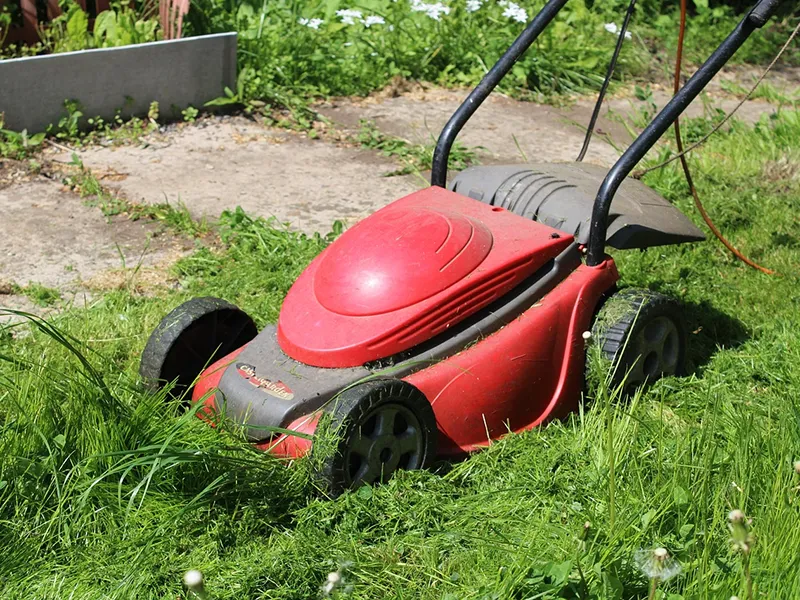
الهيكل الميكانيكي وعمل كابل الخانق
ينقل كابل الخانق حركة تحكم المشغل إلى صمام الخانق في الكربوراتير. يتكون النظام النموذجي من المكونات التالية:
- مقبض المشغل/ذراع التحكم: يقع على لوحة تحكم جزازة العشب، يسحب المشغل المقبض أو يدفعه لفتح أو إغلاق الخانق. عادةً ما يتميز المقبض بـ “فتح” و “إغلاق” ووضع أوسط يتوافق مع إعدادات خانق مختلفة.
- تجميع الكابلات: تتكون من قلب داخلي من سلك فولاذي وغلاف خارجي مرن. عادة ما يكون القلب الداخلي من سلك فولاذي متعدد الجدائل، مما يوفر قوة ومرونة جيدة. يتكون الغلاف الخارجي من سلك فولاذي حلزوني وطبقة واقية بلاستيكية، مما يوفر قناة انزلاق للسلك الفولاذي ويتحمل قوى الضغط. غالبًا ما تتميز الكابلات عالية الجودة بالتشحيم أو طلاء التفلون لتقليل الاحتكاك.
- ربط النهايات: يتم تثبيته على طرفي الكابل، يتصل أحد طرفيه بمقبض التحكم، بينما يتصل الطرف الآخر برافعة الخانق أو آلية الرافعة في المكربن.
- إرجاع الربيع: تتضمن معظم الأنظمة زنبرك ارتداد يعيد ذراع الخانق تلقائيًا إلى وضعه المفتوح عندما يترك المشغل مقبض التحكم.
يعمل كابل الاختناق كالتالي:
أثناء عمليات البدء البارد، يقوم المشغل بسحب مقبض التحكم إلى وضع “الخانق” (choke). يتم نقل هذا الشد عبر الكابل، مما يؤدي إلى تدوير ذراع الخانق على المكربن لإغلاق الخانق أو إغلاقه جزئيًا. هذا يقلل بشكل كبير من تدفق الهواء إلى المكربن، مما يزيد من ثراء خليط الوقود.
ثم يقوم المشغل بسحب سلك البادئ (للمحركات اليدوية) أو الضغط على زر البادئ (للمحركات الكهربائية)، مما يؤدي إلى دوران عمود مرفق المحرك. نظرًا للخليط الغني، حتى لو تكثف بعض الوقود على الأسطح المعدنية الباردة، يظل بخار الوقود المتبقي كافياً لإشعال شمعة الإشعال، وبدء تشغيل المحرك.
بعد بدء تشغيل المحرك، ومع ارتفاع درجة حرارة الأسطوانة وتحسن ترذيذ الوقود، يجب على المشغل فتح خانق الهواء تدريجياً (أي تحرير ذراع التحكم أو إرجاعه للخلف) لإعادة خليط الهواء والوقود إلى تركيزه الطبيعي. يؤدي إبقاء خانق الهواء مغلقًا لفترة طويلة إلى خليط غني بشكل مفرط، مما يؤدي إلى احتراق غير كامل، ودخان أسود ينبعث من أنبوب العادم، وتشغيل غير مستقر للمحرك، أو حتى توقفه.
الدور غير المباشر لكابل الإختناق في نظام الإشعال
من المهم ملاحظة أن كابل الخانق لا يشارك بشكل مباشر في تشغيل نظام الإشعال. الوظيفة الأساسية لنظام الإشعال هي تحويل الطاقة الكهربائية إلى شرارة كهربائية، مما يشعل الخليط داخل الأسطوانة. تتضمن مكوناته الأساسية شمعة الإشعال، وملف الإشعال، ومغناطيس الحدافة أو وحدة CDI.
However, the choke cable creates favorable conditions for ignition by adjusting the mixture concentration. During cold starts, without choke assistance, the mixture may be too lean. Even with a functional ignition system, ignition becomes difficult, preventing engine startup.
Thus, an indirect synergistic relationship exists between the choke cable and ignition system:
- The choke cable adjusts the air-fuel ratio to provide a mixture suitable for combustion;
- The ignition system generates the spark to ignite the mixture.
Together, they ensure smooth engine starting and stable operation. When starting difficulties occur, both the choke cable system and ignition system typically require simultaneous inspection for comprehensive diagnosis.
Lawn Mower Choke Cable Material Selection
The material choice for lawn mower choke cables directly impacts their durability, smooth operation, and reliability. High-quality products require a balance between strength, flexibility, abrasion resistance, and corrosion resistance.
1. Steel Wire Core Materials
The steel wire core is the primary load-bearing component of the cable, subjected to repeated stretching and sliding. Common materials include:
Carbon Steel Wire: The most common material, composed of multiple strands of fine steel wire twisted together. It offers high strength and good flexibility at a low cost. However, it is prone to rusting in humid environments and requires rust-proof coatings or lubrication for protection.
Stainless steel wire: Offers superior corrosion resistance, suitable for humid or salt-spray environments. Higher cost, with strength typically slightly lower than carbon steel.
Galvanized steel wire: Carbon steel coated with zinc for enhanced corrosion resistance while maintaining high strength. Commonly used in mid-range products.
2. Outer Sheath Materials
The outer sheath provides a sliding channel for the steel wire and protects the core. Common structures include:
- Spiral steel wire + PVC sheath: The most common structure, offering both rigidity and flexibility, suitable for internal bending and routing in lawnmowers.
- Nylon or polypropylene sheath: Better abrasion resistance and chemical corrosion resistance, often used in high-end products.
3. Lubrication Coating
To reduce friction and enhance operational smoothness, the wire surface is typically lubricated:
- Grease: Low cost, but may dry out over time.
- PTFE (Teflon) coating: Features low friction coefficient and high stability, a common solution for premium products.
- Nylon coating: Reduces friction and provides some corrosion protection.
4. End Cap Materials
End caps are typically manufactured via zinc alloy die-casting or steel plate stamping, with zinc or chrome plating applied to enhance strength and corrosion resistance.
Key Parameters for Lawn Mower Choke Cables
When purchasing or customizing choke cables, pay attention to the following key technical parameters:
1. Cable Length
Length must be determined based on the lawn mower model and routing path. Lengths vary significantly between devices. For example, some mowers require cables approximately 54 inches (137 cm) long, with an overall length of about 60.5 inches (154 cm). Common universal specifications include 72-inch and 108-inch lengths.
When selecting, refer to the original specifications or measure the existing cable length. If necessary, choose a slightly longer cable and adjust it later.
2. Cable Diameter and Travel
Outer Diameter: Common specifications include 3mm, 4mm, 5mm, and 6mm.
Effective Travel: Refers to the distance the steel wire core can move, which must match the opening/closing travel of the carburetor choke.
3. Tensile Strength
The cable must withstand operating tension, typically requiring a minimum breaking strength of 100–200N to ensure long-term reliability.
4. Operating Temperature Range
Cables should function normally between -30°C and +60°C without jacket cracking or softening, and without wire core jamming.
Specification Parameters and Engine Type Compatibility
When selecting a choke cable, consider the compatibility between the engine and carburetor:
Engine Displacement: Smaller displacement engines (e.g., 21–25cc) typically use smaller cable specifications, while larger displacement engines (e.g., 45cc+) may require larger specifications. Specific requirements should always follow the equipment’s technical specifications.
Brand Differences: Different engine brands (e.g., Honda, Briggs & Stratton, STIHL, Echo) may have varying carburetor designs, necessitating compatibility verification.
Carburetor Type: Float-type and diaphragm-type carburetors feature distinct choke mechanisms, potentially requiring different choke cable specifications. Ensure compatibility during replacement.
Standard Installation Steps for Lawn Mower Choke Cable
Step 1: Remove Original Choke Cable
First disconnect the spark plug high-voltage wire to ensure the engine cannot start. Then remove the lawn mower’s outer casing or control panel cover to expose the choke cable mounting location. Locate the connection points at both ends of the cable: one end connects to the control handle, the other to the carburetor choke lever.
Use pliers to remove the cable ends from their mounting holes or slots, releasing the original cable. Note the cable routing path and securing method. Finally, completely remove the choke cable while inspecting the outer casing for damage and the steel wire core for rust or breaks to determine the cause of failure.
Step 2: Inspect Related Components
Before installing the new cable, verify that the carburetor choke linkage and control handle operate smoothly. The linkage should rotate freely without binding, and the handle’s spring-return mechanism must function reliably.
Simultaneously clean oil residue from the carburetor exterior and surrounding choke mechanism. Confirm the cable routing path is unobstructed to prevent friction or interference with other components.
Step 3: Install New Choke Cable
Select a replacement choke cable matching the original specifications, ensuring identical length, diameter, and end fittings. Apply a small amount of grease to the steel core before installation to reduce friction.
Route the cable through the mower’s interior following the original path, connecting it to the carburetor choke lever. Attach the other end to the control handle, then adjust the cable length or tension so the choke fully closes in the off position and fully opens in the on position.
Step 4: Adjustment and Securing
Adjusting cable tension is critical. Excessive tension increases operating resistance and accelerates wear, while insufficient tension may prevent the choke from closing fully.
Adjust the outer sleeve position via the cable adjuster to achieve proper tension, then retighten the nut. Repeatedly operate the control handle to confirm smooth choke operation. Secure the cable with zip ties or clamps to prevent loosening or friction.
Step 5: Reassembly and Testing
Reinstall the mower housing or control panel and tighten screws. Connect the spark plug high-voltage wire.
Perform a start-up test: Start the engine with the choke in the closed position. After starting, gradually open the choke and observe whether the engine runs smoothly. If starting difficulties or unstable operation occur, readjust the cable tension or inspect related components.
Installation Characteristics by Mower Type
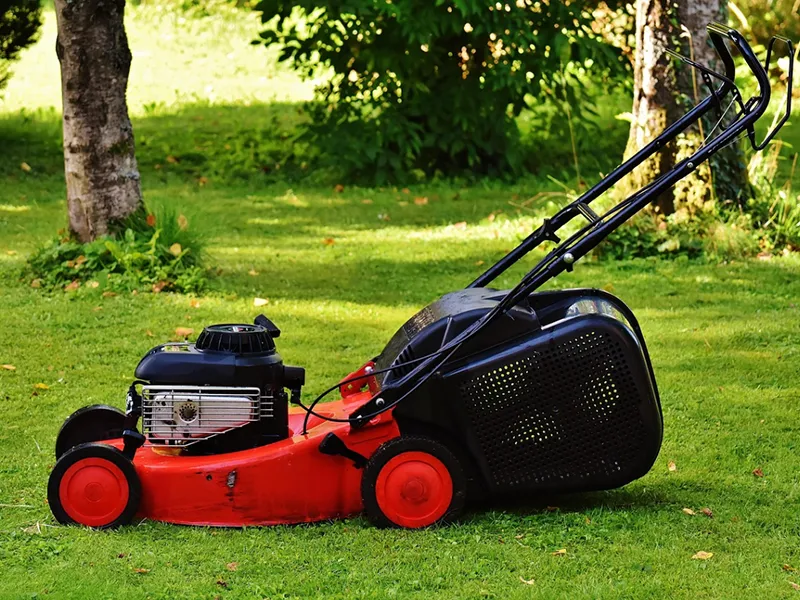
Different mower types and brands vary in choke cable installation, primarily in routing paths, cable length, and installation space.
Push mowers typically feature horizontal engines with carburetors located on the side or top. The choke cable connects from the handlebar to the carburetor, offering a shorter and simpler routing path. Installation generally requires removing the engine cover or control panel cover to connect the choke mechanism.
Self-propelled mowers incorporate a drive system alongside the engine, resulting in a more complex structure. Choke cable routing must avoid drive belts, gears, and drive mechanisms while ensuring secure fastening and protection to prevent friction or interference during operation.
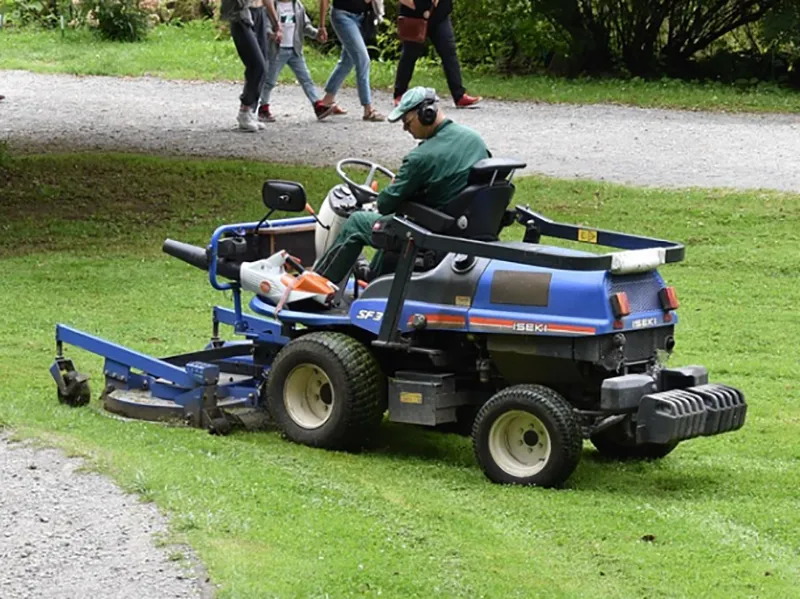
Riding mowers feature higher-powered engines with greater distance between the control panel and engine, necessitating longer choke cords and more intricate routing. Cables may traverse the frame or body structure; installation must ensure cables won’t stretch, pinch, or become trapped during steering or vibration.
Handheld units typically use compact two-stroke or four-stroke engines with integrated carburetor and choke mechanisms. Choke cords are shorter with limited installation space. Some models feature combined control handles where the choke cord may be integrated with the throttle cable, requiring careful distinction during installation.
SCOJET Custom Lawn Mower Choke Cable
If your equipment requires choke cables with special lengths, custom terminals, or specific mounting configurations, or if you need a reliable OEM choke cable manufacturer, سكوجيت offers professional Custom Lawn Mower Choke Cable services. We design and produce cables tailored to different mower models or equipment requirements.
Our customization capabilities include:
- Custom cable lengths and diameters
- Multiple end configurations (Z-shaped, L-shaped, ball-end, etc.)
- Various steel wire inner cores (carbon steel, stainless steel, galvanized steel)
- High-abrasion-resistant outer sheaths (PVC / Nylon / PP)
- PTFE low-friction coatings, etc.
- OEM/ODM bulk production
Whether for push mowers, walk-behind mowers, riding mowers, or handheld equipment, SCOJET delivers tailored cable solutions.




