
 English
  Arabic
  French
  German
  Italian
  Russian
  Spanish
 The lawn mower choke cable is a vital control component in small gasoline engines, primarily regulating the opening and closing of the carburetor choke to adjust the air-fuel mixture ratio during cold starts. In modern garden equipment, the choke cable is a crucial part of the engine starting system, directly impacting the mower’s starting efficiency, operational stability, and fuel economy.

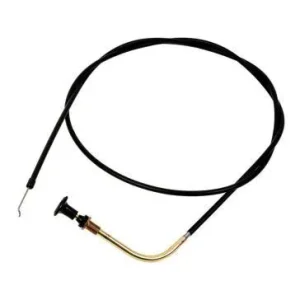
The importance of the choke cable manifests in two key areas. First, it is a critical component for ensuring smooth cold starts. In cold environments or after prolonged engine shutdown, low cylinder temperatures and poor fuel atomization necessitate closing the choke to enrich the air-fuel mixture, enabling successful ignition and startup. Second, the operational state of the choke cable also affects engine running stability. Cable malfunctions can cause abnormal air-fuel ratios, leading to issues like difficult starting, unstable idling, insufficient power, or even complete failure to start.
As landscaping machinery technology advances, demands for operational convenience and reliability have grown, driving the evolution of choke control methods. This progression spans from early manual mechanical controls to later automatic choke systems, and now includes electronically controlled choke systems in some high-end mowers. However, in most small to medium-sized lawn mowers, the traditional cable-operated choke cable remains the predominant solution due to its simplicity, low cost, ease of maintenance, and high reliability.
History of the Lawn Mower Choke Cable
In the late 19th century, breakthroughs in gasoline engine technology led to engines being applied in agricultural and horticultural equipment. Early engines, however, required a complex starting process, demanding operators manually adjust multiple valves and levers to achieve startup and stable operation.
By the early 20th century, as carburetor technology matured, the choke became standard equipment on gasoline engines. Initial chokes employed direct lever control, requiring operators to manually adjust the choke lever on the engine to regulate fuel mixture concentration. While this design was simple and reliable, it proved inconvenient to operate, especially in cold conditions where frequent adjustments were necessary.
By the mid-20th century, as garden equipment evolved toward portability and lightweight design, cable-operated choke cables gained widespread adoption. This innovation relocated choke control from the engine body to the operator’s handle. A cable comprising a steel inner core and flexible outer sheath transmitted the operator’s action to the carburetor choke, significantly enhancing operational convenience.
Entering the 21st century, choke cable technology underwent further advancement. On one hand, new materials enhanced cable durability, smoothness, and corrosion resistance. On the other, some high-end mowers adopted automatic chokes or electronic control systems that automatically adjust choke position based on engine temperature, reducing manual intervention.
Nevertheless, due to low cost, reliable construction, and ease of maintenance, traditional cable-operated chokes remain the mainstream configuration for most mowers, particularly in the small-to-medium household and commercial mower segments.
How Does Lawn Mower Choke Cable Work?
Gasoline Engine Starting Principle and Choke Function
To understand the choke cable’s operation, one must first grasp the starting mechanism of a gasoline engine. Gasoline engines operate on a four-stroke cycle: intake, compression, power, and exhaust. During normal operation, air and fuel mix in the carburetor at a specific ratio to form a combustible mixture. This mixture enters the cylinder, where it is ignited by the spark plug to generate power.
Under cold start conditions, the engine faces two primary challenges:
Poor fuel atomization: Low temperatures cause fuel to condense on the metal surfaces of cylinder walls and intake passages. This reduces the actual fuel entering the cylinder, resulting in a lean mixture that is difficult to ignite.
High mechanical resistance: At cold temperatures, engine oil viscosity increases, creating greater resistance to crankshaft rotation. Combined with lower starting RPM, this makes engine startup more difficult.
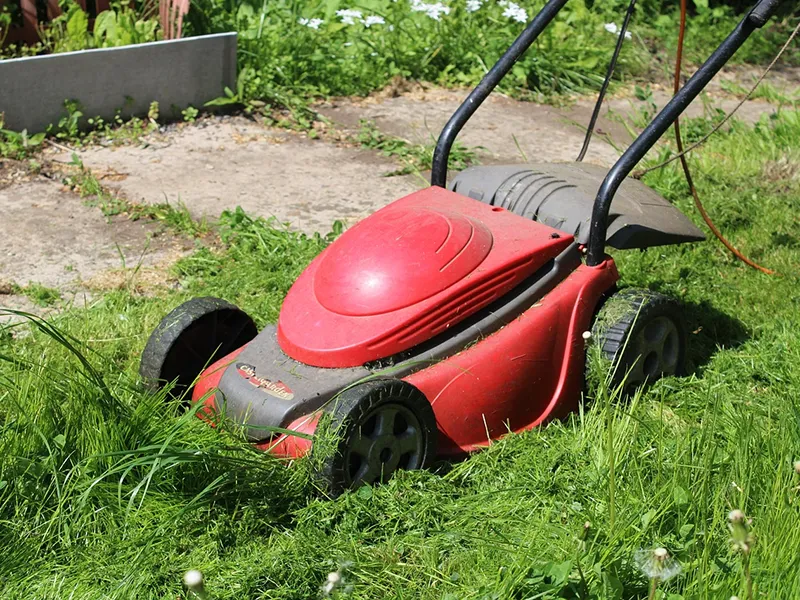
To address these issues, engines utilize a choke. Located at the carburetor’s air intake, the choke is a butterfly valve that can be opened or closed. When the choke is closed, air entering the carburetor is reduced while fuel supply remains largely unchanged. This creates aricher fuel mixture (enriched state), compensating for losses due to fuel condensation and making the mixture easier to ignite.
Mechanical Structure and Operation of the Choke Cable
The choke cable transmits the operator’s control action to the carburetor’s choke valve. A typical system consists of the following components:
- Operator Handle / Control Lever: Located on the mower’s control panel, the operator pulls or pushes the handle to open or close the choke. The handle typically features “Open,” “Close,” and a middle position corresponding to different choke settings.
- Cable Assembly: Consisting of a steel wire inner core and a flexible outer sheath. The inner core is usually multi-strand steel wire, offering good strength and flexibility. The outer sleeve consists of spiral steel wire and a plastic protective layer, providing a sliding channel for the steel wire and withstanding compression forces. High-quality cables often feature lubrication or Teflon coating to reduce friction.
- Connecting Ends: Installed at both ends of the cable, one end connects to the control handle, while the other connects to the choke lever or lever mechanism of the carburetor.
- Return Spring: Most systems incorporate a return spring that automatically resets the choke lever to its open position when the operator releases the control handle.
The Choke Cable Operates As Follows:
During cold starts, the operator pulls the control handle to the “choke” position. This tension is transmitted through the cable, rotating the choke lever on the carburetor to close or partially close the choke. This drastically reduces airflow into the carburetor, enriching the fuel mixture.
The operator then pulls the starter cord (for manual starters) or presses the starter button (for electric starters), rotating the engine crankshaft. Due to the rich mixture, even if some fuel condenses on cold metal surfaces, the remaining fuel vapor remains sufficient for the spark plug to ignite, starting the engine.
After engine start-up, as cylinder temperature rises and fuel atomization improves, the operator must gradually open the choke (i.e., release or push back the control lever) to restore the air-fuel mixture to normal concentration. Prolonged choke closure causes excessively rich mixture, leading to incomplete combustion, black smoke from the exhaust pipe, unstable engine operation, or even stalling.
The Indirect Role of the Choke Cable in the Ignition System
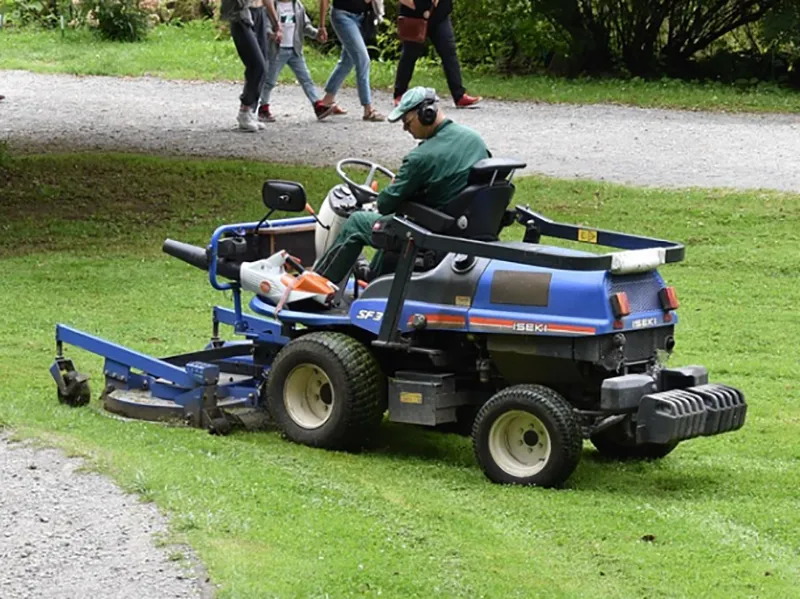
It is important to note that the choke cable does not directly participate in the ignition system’s operation. The primary function of the ignition system is to convert electrical energy into an electric spark, igniting the mixture within the cylinder. Its core components include the spark plug, ignition coil, and flywheel magneto or CDI module.
However, the choke cable creates favorable conditions for ignition by adjusting the mixture concentration. During cold starts, without choke assistance, the mixture may be too lean. Even with a functional ignition system, ignition becomes difficult, preventing engine startup.
Thus, an indirect synergistic relationship exists between the choke cable and ignition system:
- The choke cable adjusts the air-fuel ratio to provide a mixture suitable for combustion;
- The ignition system generates the spark to ignite the mixture.
Together, they ensure smooth engine starting and stable operation. When starting difficulties occur, both the choke cable system and ignition system typically require simultaneous inspection for comprehensive diagnosis.
Lawn Mower Choke Cable Material Selection
The material choice for lawn mower choke cables directly impacts their durability, smooth operation, and reliability. High-quality products require a balance between strength, flexibility, abrasion resistance, and corrosion resistance.
1. Steel Wire Core Materials
The steel wire core is the primary load-bearing component of the cable, subjected to repeated stretching and sliding. Common materials include:
Carbon Steel Wire: The most common material, composed of multiple strands of fine steel wire twisted together. It offers high strength and good flexibility at a low cost. However, it is prone to rusting in humid environments and requires rust-proof coatings or lubrication for protection.
Stainless steel wire: Offers superior corrosion resistance, suitable for humid or salt-spray environments. Higher cost, with strength typically slightly lower than carbon steel.
Galvanized steel wire: Carbon steel coated with zinc for enhanced corrosion resistance while maintaining high strength. Commonly used in mid-range products.
2. Outer Sheath Materials
The outer sheath provides a sliding channel for the steel wire and protects the core. Common structures include:
- Spiral steel wire + PVC sheath: The most common structure, offering both rigidity and flexibility, suitable for internal bending and routing in lawnmowers.
- Nylon or polypropylene sheath: Better abrasion resistance and chemical corrosion resistance, often used in high-end products.
3. Lubrication Coating
To reduce friction and enhance operational smoothness, the wire surface is typically lubricated:
- Grease: Low cost, but may dry out over time.
- PTFE (Teflon) coating: Features low friction coefficient and high stability, a common solution for premium products.
- Nylon coating: Reduces friction and provides some corrosion protection.
4. End Cap Materials
End caps are typically manufactured via zinc alloy die-casting or steel plate stamping, with zinc or chrome plating applied to enhance strength and corrosion resistance.
Key Parameters for Lawn Mower Choke Cables
When purchasing or customizing choke cables, pay attention to the following key technical parameters:
1. Cable Length
Length must be determined based on the lawn mower model and routing path. Lengths vary significantly between devices. For example, some mowers require cables approximately 54 inches (137 cm) long, with an overall length of about 60.5 inches (154 cm). Common universal specifications include 72-inch and 108-inch lengths.
When selecting, refer to the original specifications or measure the existing cable length. If necessary, choose a slightly longer cable and adjust it later.
2. Cable Diameter and Travel
Outer Diameter: Common specifications include 3mm, 4mm, 5mm, and 6mm.
Effective Travel: Refers to the distance the steel wire core can move, which must match the opening/closing travel of the carburetor choke.
3. Tensile Strength
The cable must withstand operating tension, typically requiring a minimum breaking strength of 100–200N to ensure long-term reliability.
4. Operating Temperature Range
Cables should function normally between -30°C and +60°C without jacket cracking or softening, and without wire core jamming.
Specification Parameters and Engine Type Compatibility
When selecting a choke cable, consider the compatibility between the engine and carburetor:
Engine Displacement: Smaller displacement engines (e.g., 21–25cc) typically use smaller cable specifications, while larger displacement engines (e.g., 45cc+) may require larger specifications. Specific requirements should always follow the equipment’s technical specifications.
Brand Differences: Different engine brands (e.g., Honda, Briggs & Stratton, STIHL, Echo) may have varying carburetor designs, necessitating compatibility verification.
Carburetor Type: Float-type and diaphragm-type carburetors feature distinct choke mechanisms, potentially requiring different choke cable specifications. Ensure compatibility during replacement.
Standard Installation Steps for Lawn Mower Choke Cable
Step 1: Remove Original Choke Cable
First disconnect the spark plug high-voltage wire to ensure the engine cannot start. Then remove the lawn mower’s outer casing or control panel cover to expose the choke cable mounting location. Locate the connection points at both ends of the cable: one end connects to the control handle, the other to the carburetor choke lever.
Use pliers to remove the cable ends from their mounting holes or slots, releasing the original cable. Note the cable routing path and securing method. Finally, completely remove the choke cable while inspecting the outer casing for damage and the steel wire core for rust or breaks to determine the cause of failure.
Step 2: Inspect Related Components
Before installing the new cable, verify that the carburetor choke linkage and control handle operate smoothly. The linkage should rotate freely without binding, and the handle’s spring-return mechanism must function reliably.
Simultaneously clean oil residue from the carburetor exterior and surrounding choke mechanism. Confirm the cable routing path is unobstructed to prevent friction or interference with other components.
Step 3: Install New Choke Cable
Select a replacement choke cable matching the original specifications, ensuring identical length, diameter, and end fittings. Apply a small amount of grease to the steel core before installation to reduce friction.
Route the cable through the mower’s interior following the original path, connecting it to the carburetor choke lever. Attach the other end to the control handle, then adjust the cable length or tension so the choke fully closes in the off position and fully opens in the on position.
Step 4: Adjustment and Securing
Adjusting cable tension is critical. Excessive tension increases operating resistance and accelerates wear, while insufficient tension may prevent the choke from closing fully.
Adjust the outer sleeve position via the cable adjuster to achieve proper tension, then retighten the nut. Repeatedly operate the control handle to confirm smooth choke operation. Secure the cable with zip ties or clamps to prevent loosening or friction.
Step 5: Reassembly and Testing
Reinstall the mower housing or control panel and tighten screws. Connect the spark plug high-voltage wire.
Perform a start-up test: Start the engine with the choke in the closed position. After starting, gradually open the choke and observe whether the engine runs smoothly. If starting difficulties or unstable operation occur, readjust the cable tension or inspect related components.
Installation Characteristics by Mower Type
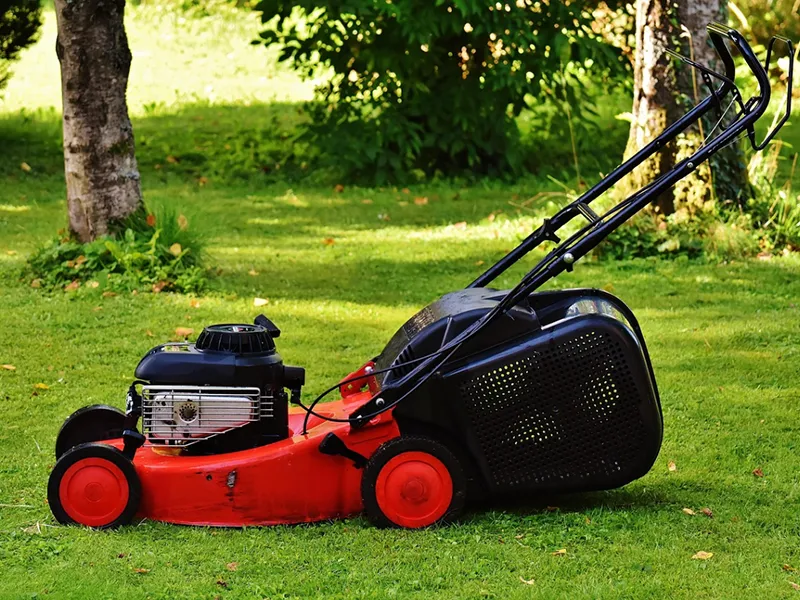
Different mower types and brands vary in choke cable installation, primarily in routing paths, cable length, and installation space.
Push mowers typically feature horizontal engines with carburetors located on the side or top. The choke cable connects from the handlebar to the carburetor, offering a shorter and simpler routing path. Installation generally requires removing the engine cover or control panel cover to connect the choke mechanism.
Self-propelled mowers incorporate a drive system alongside the engine, resulting in a more complex structure. Choke cable routing must avoid drive belts, gears, and drive mechanisms while ensuring secure fastening and protection to prevent friction or interference during operation.
Riding mowers feature higher-powered engines with greater distance between the control panel and engine, necessitating longer choke cords and more intricate routing. Cables may traverse the frame or body structure; installation must ensure cables won’t stretch, pinch, or become trapped during steering or vibration.
Handheld units typically use compact two-stroke or four-stroke engines with integrated carburetor and choke mechanisms. Choke cords are shorter with limited installation space. Some models feature combined control handles where the choke cord may be integrated with the throttle cable, requiring careful distinction during installation.
SCOJET Custom Lawn Mower Choke Cable
If your equipment requires choke cables with special lengths, custom terminals, or specific mounting configurations, or if you need a reliable OEM choke cable manufacturer, SCOJET offers professional Custom Lawn Mower Choke Cable services. We design and produce cables tailored to different mower models or equipment requirements.
Our customization capabilities include:
- Custom cable lengths and diameters
- Multiple end configurations (Z-shaped, L-shaped, ball-end, etc.)
- Various steel wire inner cores (carbon steel, stainless steel, galvanized steel)
- High-abrasion-resistant outer sheaths (PVC / Nylon / PP)
- PTFE low-friction coatings, etc.
- OEM/ODM bulk production
Whether for push mowers, walk-behind mowers, riding mowers, or handheld equipment, SCOJET delivers tailored cable solutions.




