English
  Arabic
  French
  German
  Italian
  Russian
  Spanish
 china Custom CNC Turning Service Company
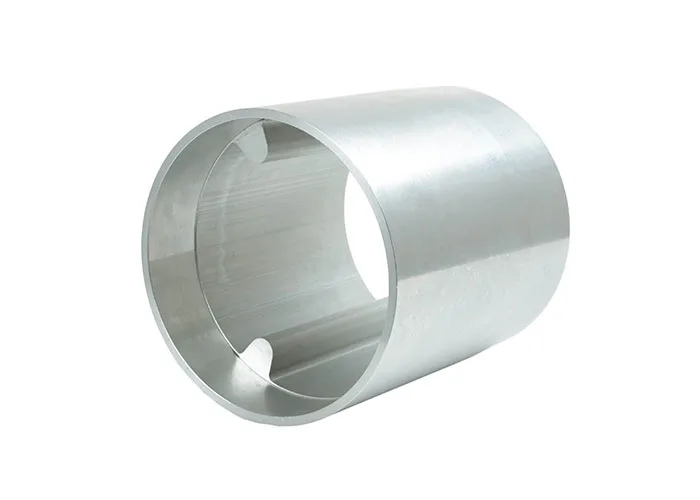
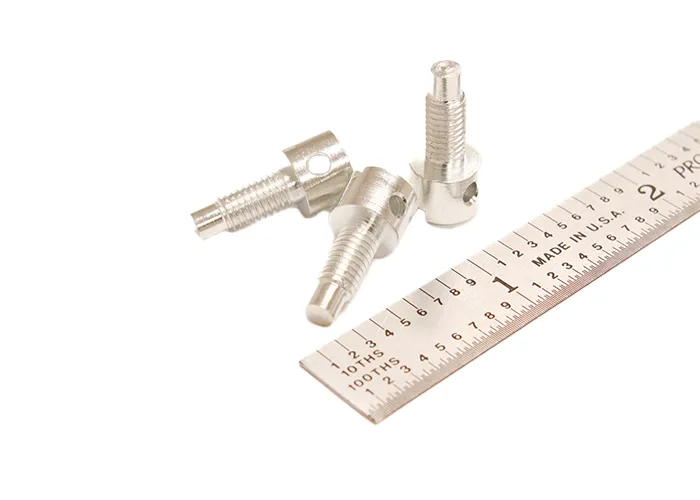
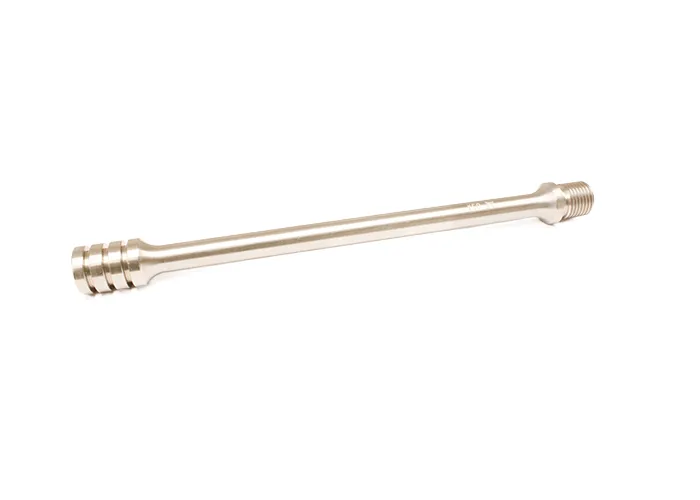
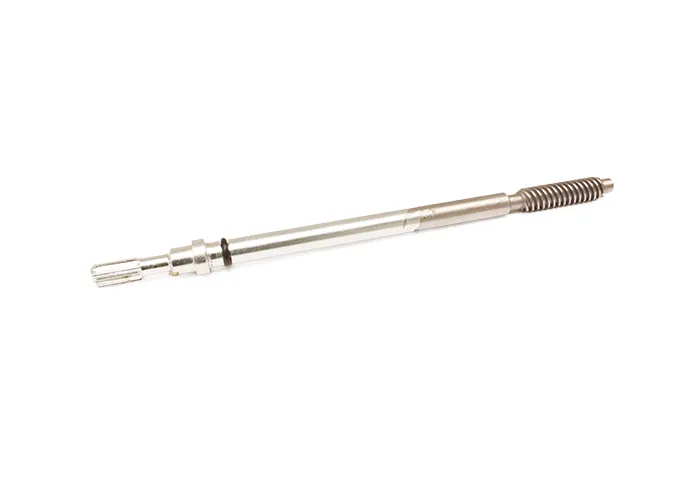
CNC turning produces parts by mounting a blank on a rotating chuck and removing material using stationary cutting tools. This technology is ideal for manufacturing parts with symmetry along their center axis. Turned parts are typically produced faster (and at a lower cost) than milled parts.
Take advantage of the on-demand CNC turning service and get reliable metal and plastic turned parts for your unique projects. With advanced technologies and expert technicians.
Scojet produces high-quality custom prototypes and end-use production parts. Our CNC turning capabilities allow us to deliver turned parts with high accuracy, regardless of the complexity. You will get durable parts from flats to radial and axial holes, slots, and grooves as fast as one day.
CNC turning is often used for:
- Functional prototypes and end-use parts
- Parts with cylindrical features
- Parts with axial and radial holes, flats, grooves, and slots
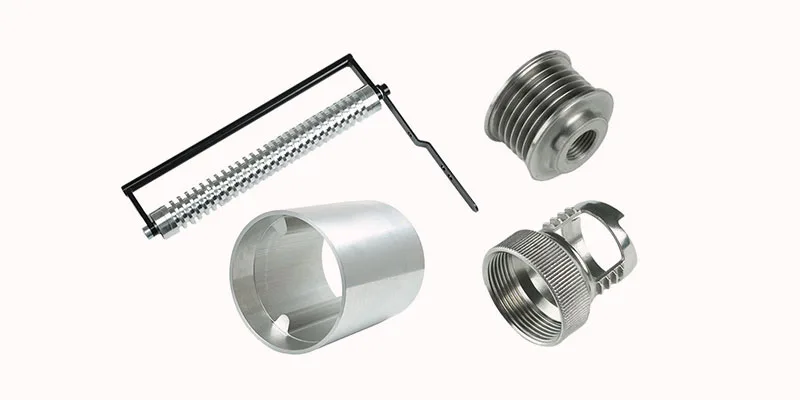
Our CNC Turning Capabilities
Our basic guidelines for CNC turning include important design considerations to help improve part manufacturability, enhance cosmetic appearance, and reduce overall production time.
Maximum part size for CNC turning
| Part size limitations | Metric units | Imperial units |
| Maximum part diameter | 431 mm | 17 in |
| Maximum part length | 990 mm | 39 in |
| Maximum swing over the carriage | 350 mm | 13.7 in |
| Maximum spindle through-hole | 40 mm | 1.5 in |
| Maximum speed | 1700RPM | |
| Motor power | 640W |
Additional Notes on CNC Turning Guidelines
● Small features may be allowed, but the diameter in any region should not be less than 0.030 in. (0.76mm).
● Sharp conical points are allowed; angles should be greater than 30 degrees. Walls thinner than 0.020 in. (0.5mm) typically do not survive the machining process.
CNC Turning Materials
Materials for CNC Turning
We stock a range of metal materials that are suitable for various part applications and industries. Choose from aluminum, brass, low carbon steel, stainless steel, steel alloy, and titanium for turned parts.
- Aluminum
- Brass
- Low Carbon Steel
- Steel Alloy
- Stainless Steel
- Titanium
- Plastics
scojet cnc turning Surface Treatment
| Material Type | Specific Material | Surface Treatment | Technical Features |
| Stainless Steel | 304, 316, 17-4PH | PVD Titanium Coating, Electrolytic Polishing | PVD titanium coating enhances wear resistance (hardness HV2000+), electrolytic polishing achieves mirror finish. |
| Titanium Alloy | Ti-6Al-4V, TC4 | Nitriding Treatment, Laser Texturing | Nitriding treatment achieves surface hardness of HV1000, laser texturing creates microstructure for anti-slip effect. |
| Nickel-Based Superalloy | Inconel 718 | Electrolytic-Mechanical Composite Polishing | Ra<0.05μm, eliminates stress layers. |
| Tungsten-Copper Alloy | WCu20 (80% tungsten + 20% copper) | Chemical Vapor Deposition (CVD) Diamond + Electrolytic Polishing | Surface hardness HV4000, thermal conductivity 600W/m·K, used for high-power laser heat sinks. |
| Biodegradable Magnesium Alloy | WE43(Mg-4Y-3RE) | Micro-Arc Oxidation + Hydrothermal Synthesis HA Coating | Excellent biocompatibility, controllable degradation rate (0.2mm/year). |
Custom CNC Turning Finishes
Enhance part performance by selecting surface finishes that improve the roughness, hardness, chemical resistance and cosmetic features of the finished component.
Parts that are turned typically have a very smooth surface finish. The as-machined surface finish of the cylindrical areas will typically be much smoother using the lathe than the mill, so consider this when selecting the machining method for those parts that qualify for either method. Areas cut with live tooling, such as flats and slots, may have visible tools marks.
If desired, the metal parts can be lightly bead blasted leaving a fine matte finish. Hard metals like steel and stainless steel can also have edges broken (deburred) with a light bead blast to remove metal slivers, and sharp or rough areas.
CNC turning tolerances
We follow ISO 2768 standards for CNC machining.
| Limits for nominal size | Plastics (ISO 2768- m) | Metals (ISO 2768- f) |
| 0.5mm* to 3mm | ±0.1mm | ±0.05mm |
| Over 3mm to 6mm | ±0.1mm | ±0.05mm |
| Over 6mm to 30mm | ±0.2mm | ±0.1mm |
| Over 30mm to 120mm | ±0.3mm | ±0.15mm |
| Over 120mm to 400mm | ±0.5mm | ±0.2mm |
| Over 400mm to 1000mm | ±0.8mm | ±0.3mm |
| Over 1000mm to 2000mm | ±1.2mm | ±0.5mm |
| Over 2000mm to 4000mm | ±2mm | |
| *Please clearly indicate tolerances for nominal sizes below 0.5mm on your technical drawing. |
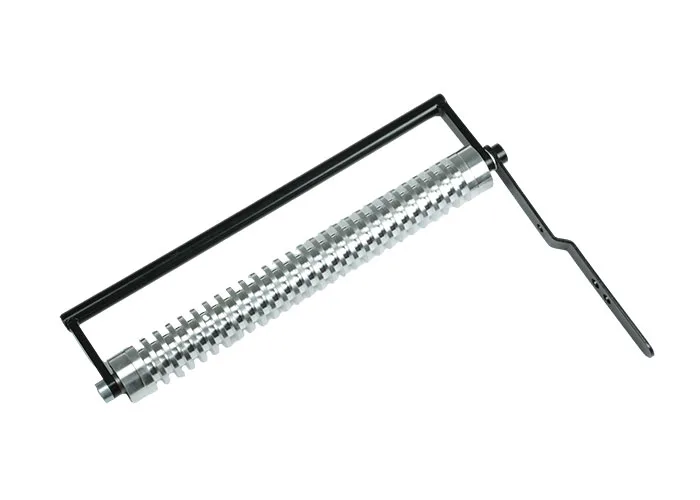
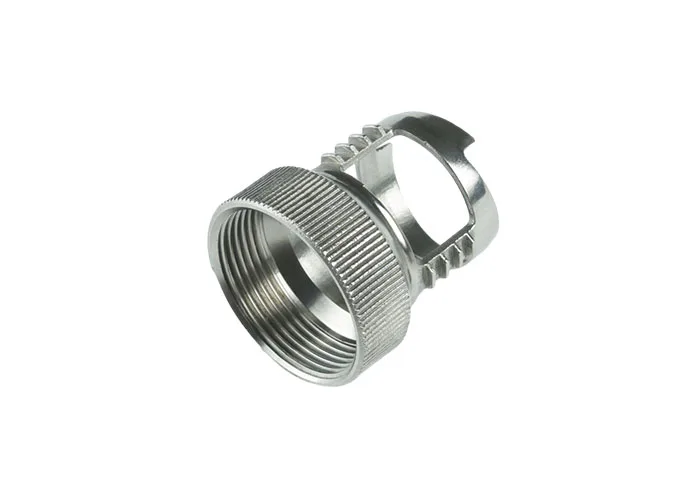
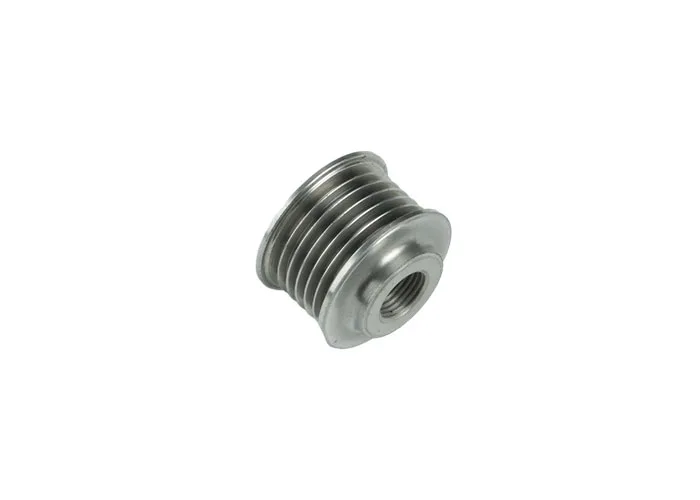
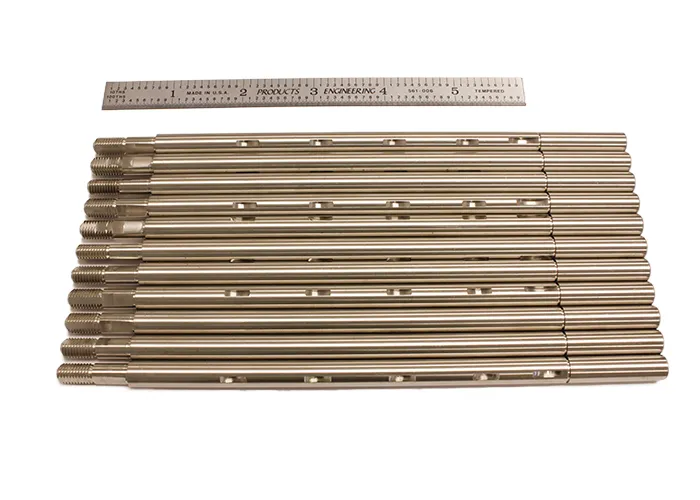
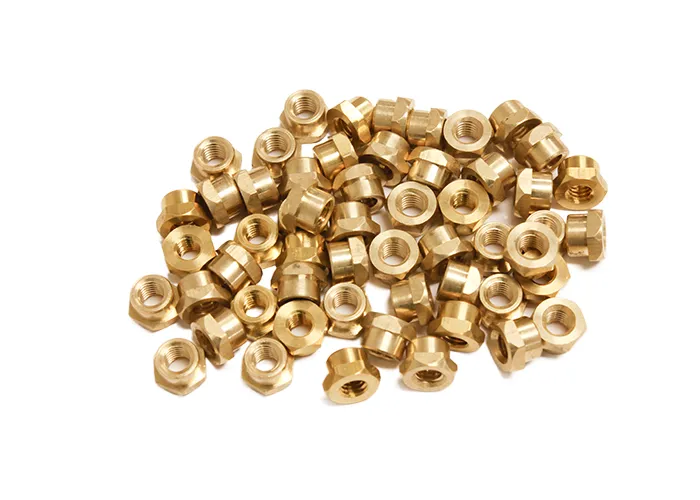
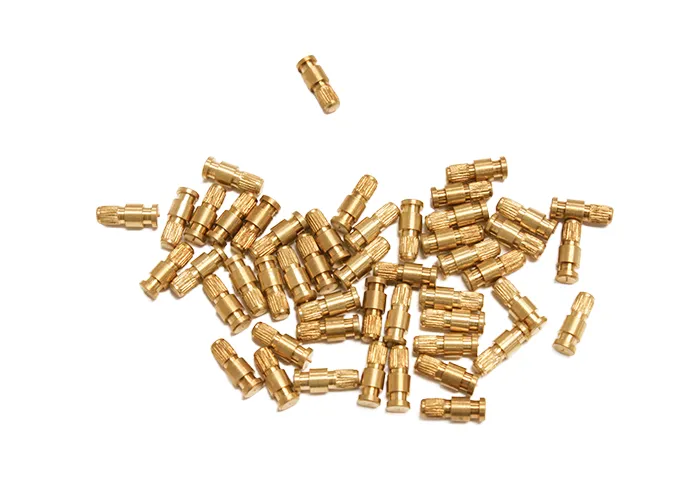
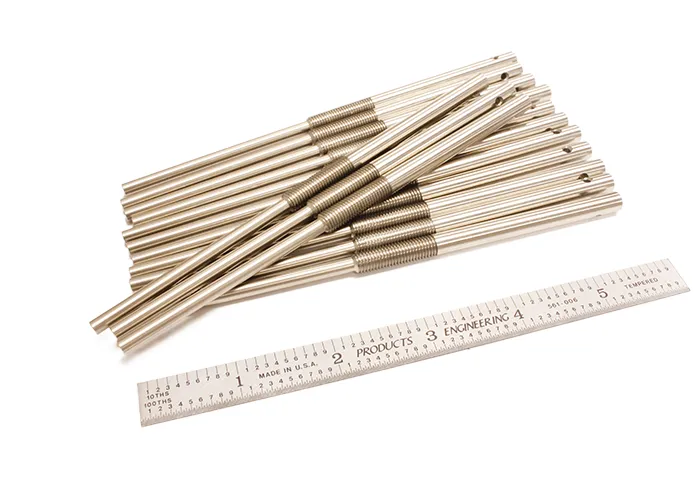
Gallery of CNC Turning Parts