
 English
  Arabic
  French
  German
  Italian
  Russian
  Spanish
 Investment Casting
China Custom investment Casting Services foundry
Get Factory direct Quote
10 years of die-casting experience
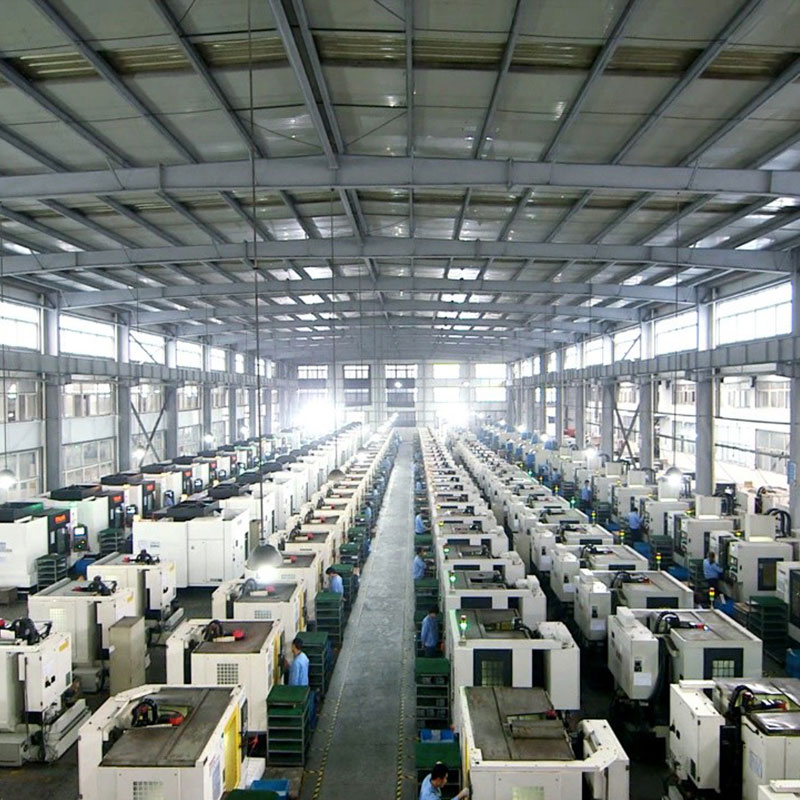
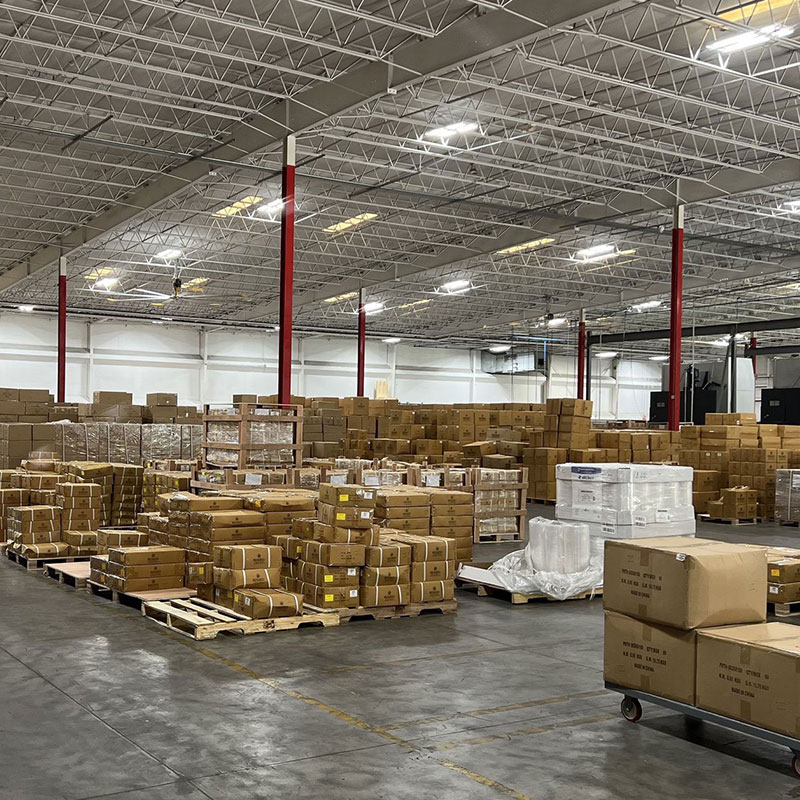
50,000 sq. ft. of fabrication and production space
120 experienced workers
10 million pcs/year
Specialist in Aerospace, high-speed rail, automotive, and garden equipment.
automotive die casting
Scojet Investment Casting Parts
Investment Casting Types
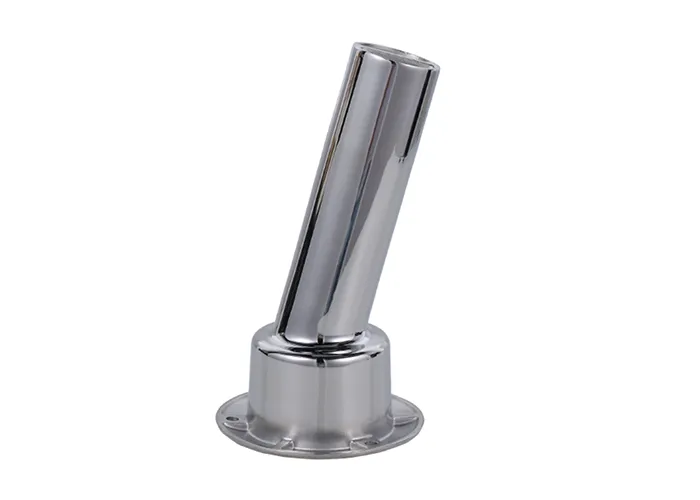
Stainless Steel Investment Casting
SCOJET processing capabilities:
Maximum weight: 50kg
Maximum length: 300mm
Minimum wall thickness: 2mm
Surface roughness: Ra6.3μm
Typical post-processing: pickling, passivation, machining.
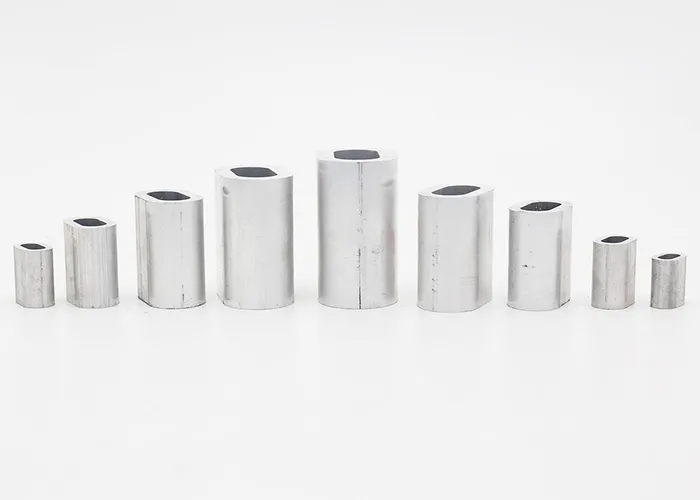
Aluminum Investment Casting
Aluminum Investment Casting is a metal casting process that makes industrial parts by replicating wax patterns with metal.
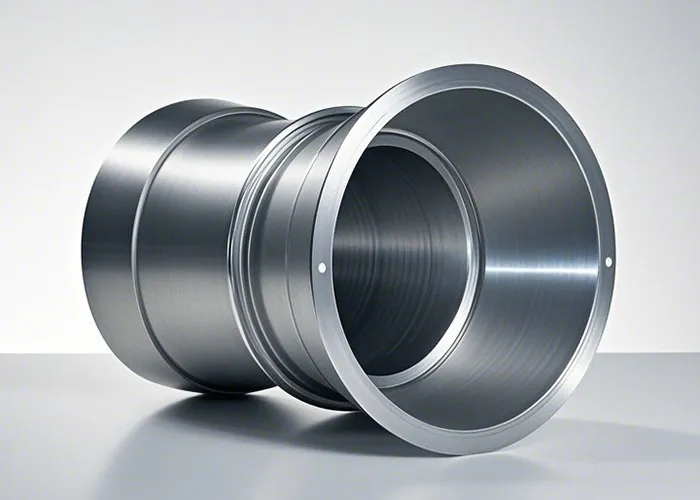
Thin Wall Investment Casting
SCOJET processing capabilities:
Dimensional Tolerances: ±0.3 mm (aluminum alloy)
Class CT4-6 (general purpose for investment casting)
Surface Roughness: Ra ≤3.2 μm
Internal Flaw: Pinhole degree ≤ 2 grade (X-ray inspection)
No shrinkage holes, cracks
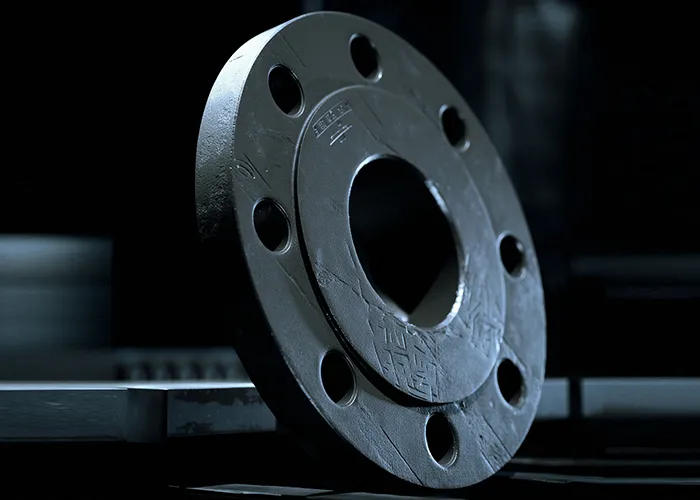
Water Soluble Core Investment Casting
Water-Soluble Core Investment Casting is a casting process that uses water-soluble materials as cores, mainly used to manufacture castings with complex internal cavity structures.
Investment Casting Parameters
| Business Types | Service Content | |
| Investment Casting | Alloy Types: Stainless steel/Superalloy/Titanium alloy/Cobalt-chromium alloy/Aluminum alloy Processes: Precision wax pattern making/Multi-layer ceramic shell molding/Directional solidification technology/Shell firing process Post-processing: Shell breaking/Riser cutting/Hot Isostatic Pressing (HIP)/Chemical cleaning | |
| Precision Machining | 5-axis precision finishing/Complex runner polishing/Electrochemical deburring | |
| Testing & Certification | Fluorescent penetrant testing/γ-ray inspection/High-temperature creep testing/Grain size rating (ASTM E112) | |
| Base Materials | Specific Materials | Technical Features |
| Stainless Steel | 316L/17-4PH/304 | Vacuum degassing + directional solidification, grain size ≥6, HIP density 99.99% |
| Superalloy | Inconel 718/Hastelloy X/K418 | Vacuum melting + rapid cooling, creep strength (980℃/100h) ≥350MPa |
| Titanium Alloy | TC4/Ti-6Al-2Sn-4Zr-2Mo | β-phase control technology, oxygen content ≤0.15%, UT inspection compliant with AMS 2631B |
| Special Treatments | Process Combinations | |
| Aluminizing Coating | Thickness 80-150μm, oxidation weight gain <2mg/cm² at 1100℃/200h | |
| Vapor Deposition | CrAlY coating (HV1200), TBC thermal barrier coating (YSZ material) | |
| Laser Treatment | Surface remelting (grain refinement to 10μm), residual stress ≤200MPa | |
| Core Equipment | Technical Parameters | Capacity |
| Pouring System | Vacuum induction melting furnace (200kg capacity), cooling rate control 0.5-50℃/s | Single-batch pouring qualification rate ≥98% |
| Firing System | Program-controlled shell firing furnace (1600℃), temperature control accuracy ±5℃ | Single furnace capacity 500kg/batch, energy consumption ≤120kW·h/furnace |
| Molding System | 3D printed wax pattern machine (accuracy ±0.1mm), wax recovery rate ≥95% | Monthly capacity 20,000+ wax patterns (min. wall thickness 0.3mm) |
| Technical Indicators | ||
| Dimensional Accuracy | CT4-CT6 grade (±0.03-0.1mm), thin-wall deformation <0.05mm/m | GB/T 6414-2017,IATF 16949 |
| Mechanical Properties | Inconel 718: Yield strength ≥750MPa at 650℃ | TC4 titanium alloy: Fatigue strength (10^7 cycles) ≥500MPa |
| Special Performance | Superalloy creep life: ≥100h at 980℃/150MPa | Medical cobalt-chromium alloy: Casting porosity ≤0.2% (ASTM F75) |
| Compliance Standards | ||
| NADCAP AC7110 (Special Processes) | AMS 4992A (Titanium Alloy Casting) | PED 2014/68/EU (Pressure Equipment) |
scojet investment casting Surface Treatment
| Material Type | Specific Material | Surface Treatment | Technical Features |
| Cast Iron | HT250 gray cast iron, QT500 ductile iron | Shot Peening, Nitriding, Silane Treatment | Shot peening removes surface impurities, nitriding increases hardness; silane treatment enhances corrosion resistance. |
| Cast Steel | ZG230-450, ZG310-570 | Laser Cladding, Plasma Spraying | Laser cladding repairs defects, plasma spraying provides high-temperature resistance (suitable for gas turbine components). |
| Corrosion-Resistant Cast Steel | GX40CrNiSi25-12 | Duplex Diffusion (Chromium Diffusion + Aluminum Diffusion) | Surface Cr-Al composite layer, acid and alkali corrosion resistance rated ISO 5. |
| Aluminum Matrix Composite | A356+20%SiC particles | Micro Sandblasting + Silane Coupling Agent | Interface bonding strength improved by 40%, wear resistance reaches HRC55. |
| Nickel-Based Single Crystal Alloy | Mar-M247 | Laser Cladding + Duplex Diffusion (Cr + Al) | Heat resistance up to 1100℃, creep resistance improved by 5 times, used for aircraft turbine blades. |
| Aluminum Matrix Composite (duplicate in original) | A356+30%SiC particles | Hot Isostatic Pressing + Chemical Vapor Deposition (CVD) Diamond Coating | Wear resistance reaches HRC60, friction coefficient 0.1, replacing traditional brake disc materials. |
What is Investment Casting?
Investment casting is a manufacturing process in which a wax pattern is coated with a refractory ceramic material. Once the ceramic coating material is dry and hardened, the wax is melted out and leaves an internal cavity the shape of the final product’s geometry. Molten metal is poured into the cavity where the wax pattern was. The metal solidifies within the ceramic cavity, cools, and the ceramic is removed from the metal casting. The result of this process is a net to near-net precision metal component which can be used for a broad range of applications in various industries.
Why Is Investment Casting Also Called the Lost Wax Process?
Lost wax is a very literal alternative name for the process. The investment in refractory material is a covering that is formed wet, over a wax pattern. This covering is then allowed to dry, before baking at high temperature. This serves two purposes.
First, the refractory investment is solidified and chemically fused to form a strong material.
Secondly, the wax is burned away, making the investment a tough and hollow body that perfectly and precisely represents the now-absent wax, as a space to be filled with metal. Thus, the wax is lost, hence the naming of the process.
How Does Investment Casting Differ From Other Types of Casting?
All casting methods use a heat-resistant cavity that is the shape of the desired part as a volume to be filled with liquid metal, which is removed once solidified. The means by which the cavity is formed is the primary differentiator of casting methodologies. Die casting uses a two-part (or more) hardened-steel cavity tool that is expensively and precisely machined from billet material. Sand casting forms a cavity by packing sand with a binding agent around a reusable pattern or master of the part. Investment casting forms the cavity by drying and then kiln baking a skin of refractory material over a pattern or master that is sacrificial.
Precision and extent of detail differ greatly between casting methods. Die casting is high precision, although gravity (poured) die casting is less precise than the various forms of pressure die casting. Pressure die casting facilitates compensation for shrinkage, which retains/reflects the shape and dimensions of the cavity more faithfully in the cast part. Pressure die-cast parts can maintain very high levels of detail, so long as that detail can be extracted from the tool features. Sand casting is of moderate precision because the process does not lend itself to forming very accurate and repeatable cavities. It can maintain only relatively thick sections and coarse details. Investment casting is renowned for its combination of precision and fine detail while avoiding the major up-front costs of die casting.
Investment Casting Process Steps (Lost Wax)

How Long Does It Take Investment Casting To Finish?
The time it takes to complete investment casting depends on several factors including: the material cast, the design, and the machines used. For small casting, below 1 kg, for example, it can commonly take 5 to 7 days to fully process a flask ready to cast.
How Accurate Is Investment Casting?
The investment casting process is very accurate in creating precise reproductions of the pattern when the flask has been prepared with skill and care. Pattern accuracy is highly dependent on the manufacturing process used to make it. A range of techniques can be used to improve the precision of the wax pattern. For example, if the pattern is molded in a tool, the injection pressure of the wax can be adjusted to moderate dimensional errors. Parts of the pattern requiring high precision can also be post-machined or “coined” (press molded with a precise steel cavity in two parts.
Investment Casting Process Steps at Soject
The following steps are what we follow to produce parts with complex geometries and intricate details.
A pattern that replicates the finished part geometry is made using one of two primary methods:
a. Build a wax injection die
b. 3D print pattern
● If a wax injection die will be used, the first step involves designing and building a metal die from Aluminum or Steel. This die creates a wax replica of the desired part by injecting melted wax under high pressure into the cavity. The die can be made as a simple one cavity manual tool or a complex multi-cavity automatic tool depending on volume requirements.
● If a 3D printed pattern will be used, a CAD model which contains the part geometry is sent to a printer and the part is printed.
Next, the wax patterns are assembled onto runners and into a finished tree which is ready to be dipped.
The assembly is then dipped into a high-grade ceramic slurry to build a ceramic shell around the wax tree.
After the slurry coating is done, particles of sand are dropped onto the surface of the wet tree assembly. This helps to thicken and strengthen the layer of coating on the wax assembly surface.
Repeat steps 2 and 3 until the assembly achieves the desired shell thickness. The assembly is then allowed to set and dry.
The wax inside the newly built shell is now removed. Dewaxing is done using a steam-dewaxing autoclave or flash fire furnace.
Now the desired molten metal is poured into the pre-heated mold cavity.
The mold then sits to allow the molten metal to cool and solidify which then becomes the final casting.
The shell material is then removed through processes hammer knockout, vibration, and steel grit blasting.
The finished parts are then cut free from the gating and runner system.
Various finishing techniques are then employed including grinding, sand blasting and coating to achieve the final surface needed.
Once the finishing operations are done, the parts are inspected for surface and sub-surface defects. Visual and fluorescent penetrant inspection is done for surfaces and X-ray is employed for sub-surface defect identification.
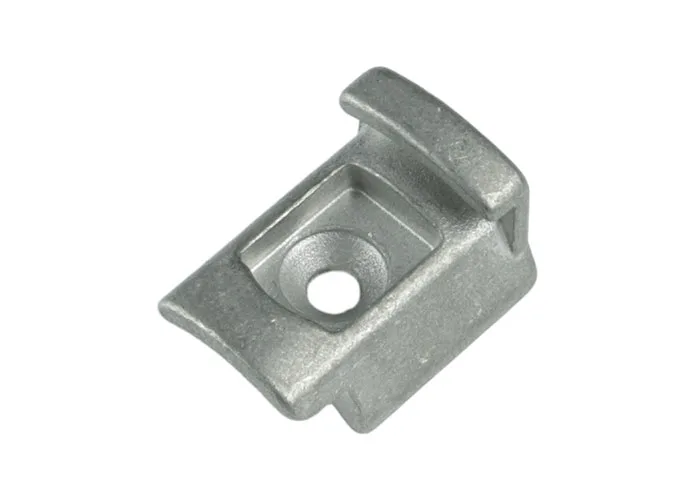
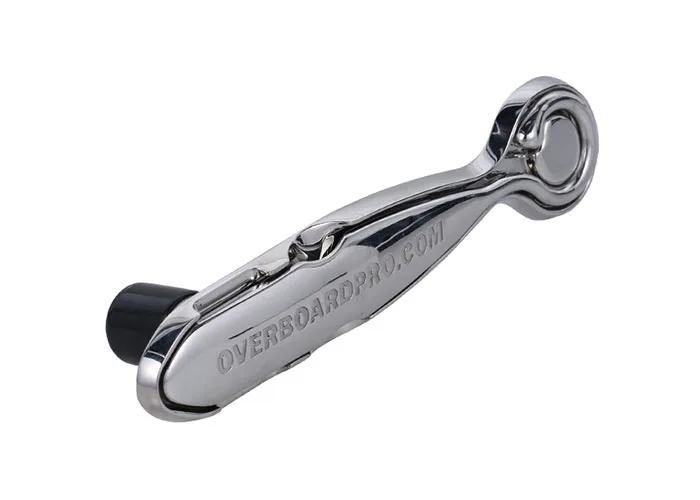
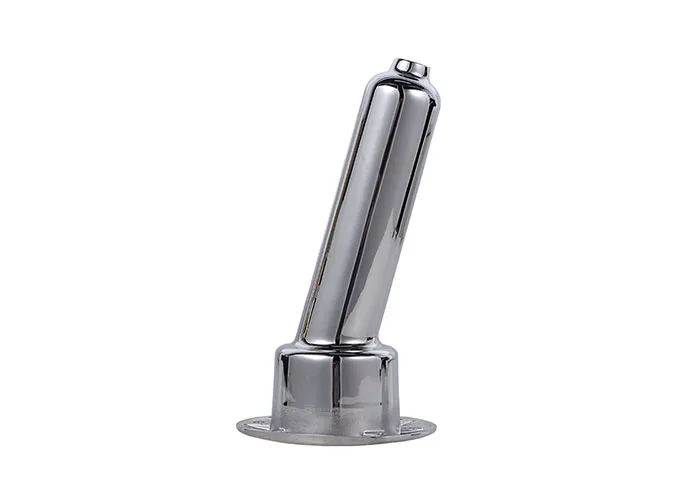
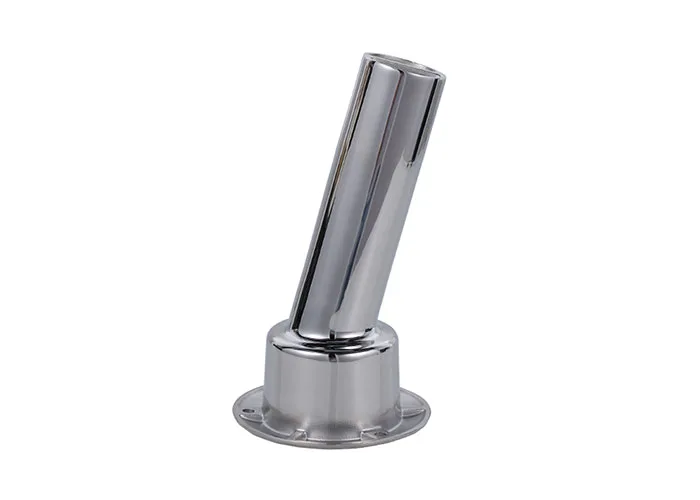
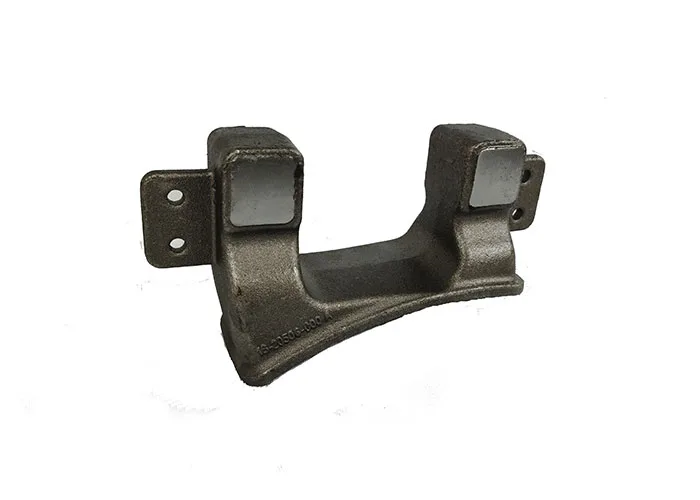
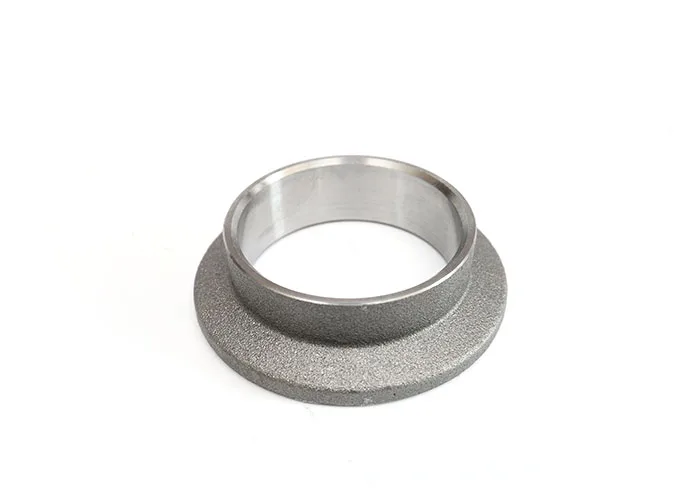
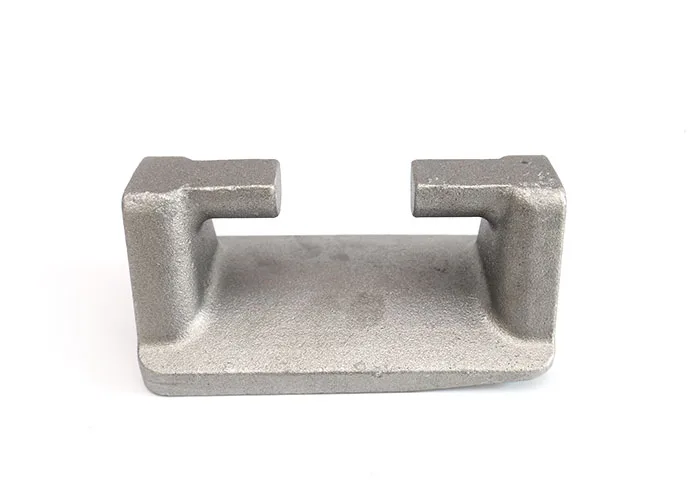
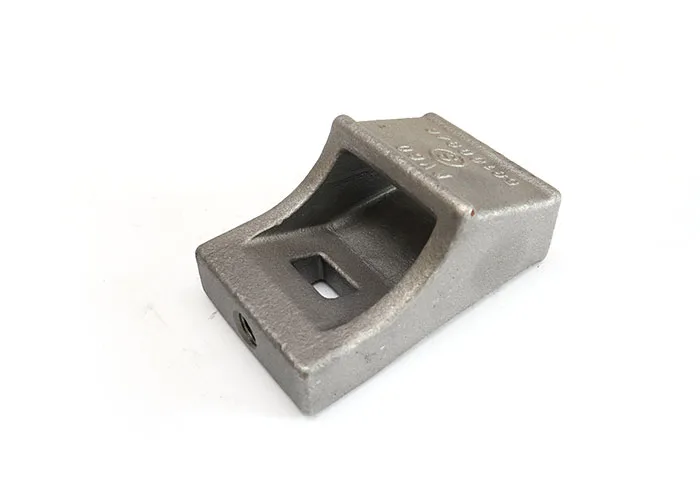
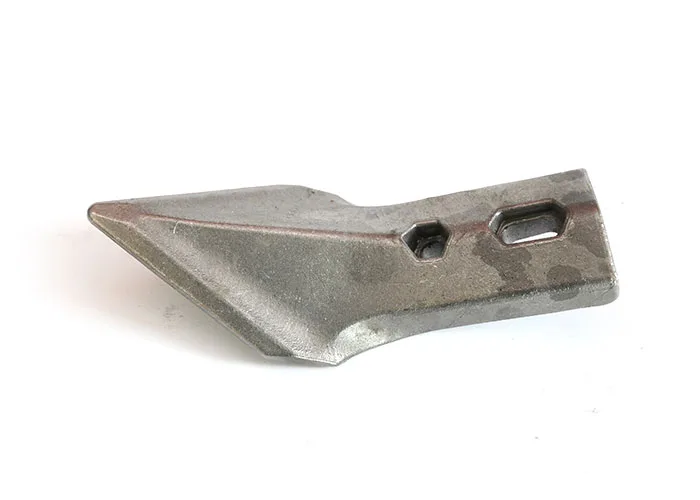
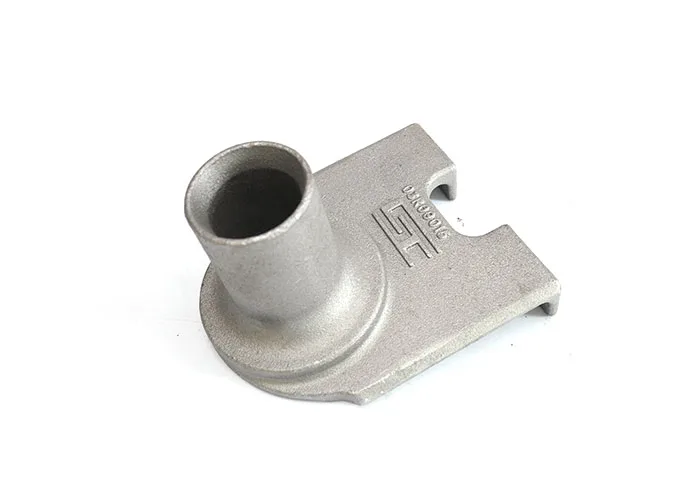
Gallery of Investment Casting




Investment Casting FAQ
Here are the key factors to consider:
Part complexity: Ideal for intricate geometries and thin-walled components (e.g., turbine blades, aerospace parts).
Material type: Suitable for high-temperature alloys (e.g., stainless steel, aluminum, superalloys).
Surface finish & precision: Achieves CT4-6 dimensional accuracy and Ra 1.6–3.2 μm surface roughness.
Batch size: Cost-effective for medium to high volumes due to high tooling costs.
Material inspection: Verify raw material purity (e.g., wax, ceramic slurry).
Shell coating: Monitor layer thickness (5–6 mm) and drying conditions to prevent cracks.
Dimensional checks: Use 3D scanning or CMM for critical tolerances.
Non-destructive testing (NDT): X-ray or ultrasonic inspection for internal defects.
Post-casting treatments: Heat treatment and surface finishing (e.g., polishing, anodizing).
Advantages of investment casting over other casting process
- Precision: Higher accuracy than sand casting (CT10–13) and comparable to die casting (CT5–7).
- Complexity: Can produce parts with internal cavities and fine details impossible with machining.
- Material flexibility: Supports alloys like titanium and nickel-based superalloys.
Disadvantages compared to other methods
- Cost: Higher tooling and labor costs vs. sand casting.
- Cycle time: Longer due to multi-step shell-building process.
The following are the major costs of investment casting:
Tooling: Wax pattern molds and ceramic shell tooling (~40% of total).
Materials: High-purity wax, refractory ceramics, and metal alloys.
Labor: Skilled labor for shell coating, dewaxing, and finishing.
Post-processing: Machining, heat treatment, and quality inspections.
Energy: High-temperature furnace operations for shell baking and metal melting.
Typical timeline include:
Pattern creation: 1–3 days (wax injection and assembly).
Shell building: 3–7 days (6–8 coating layers with drying intervals).
Dewaxing & firing: 1–2 days.
Pouring & cooling: Hours to days (depending on part size).
Post-processing: 2–5 days (cutting, grinding, inspections).
Total lead time: 2–6 weeks for standard parts.
Standard range:
Weight: Typically <25 kg, but specialized processes can handle up to 500 kg for stainless steel.
Dimensions: Max. 1,500 mm in length for industrial components.
Thin walls: As low as 0.3 mm for aluminum alloys.
Limitations: Larger parts require segmented tooling and increased costs.