Custom Aluminum Investment Casting Service Manufacturer
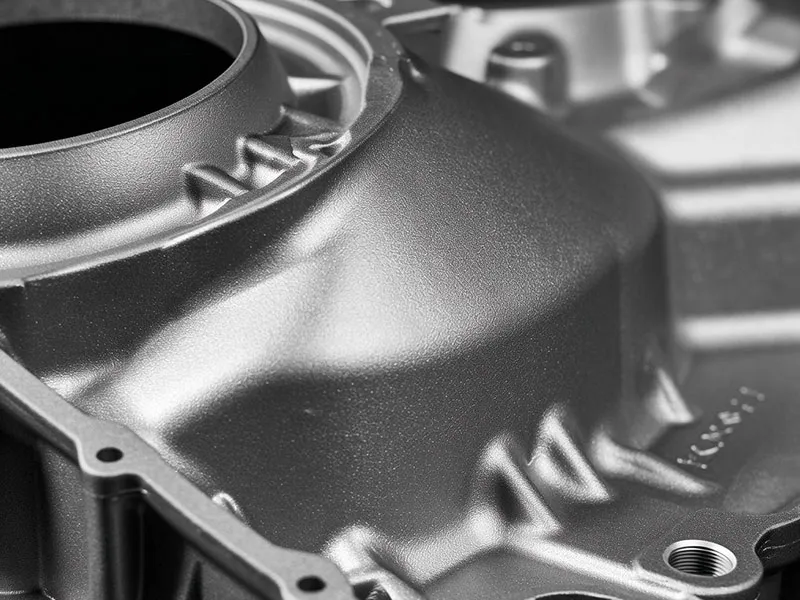
Aluminum Investment Casting is a metal casting process that makes industrial parts by replicating wax patterns with metal. The process involves pouring molten aluminum into a mold made from the wax pattern, which cools to form the part. This method is able to produce parts with smooth surfaces, high dimensional accuracy and complex geometries without parting lines or flash.
Custom Aluminum Investment Casting Products

Automotive parts
engine blocks, engine covers, transmission housings, connectors and brackets, pistons
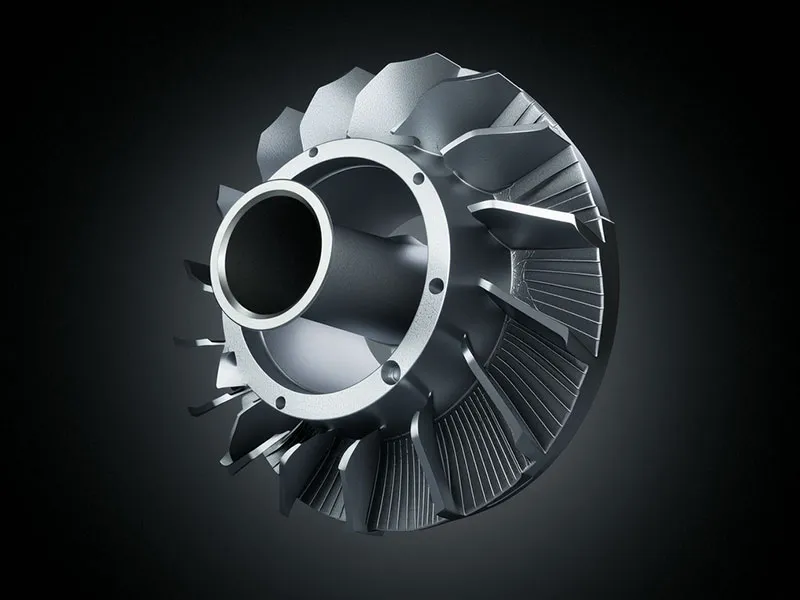
Pump parts
pump housings, impellers, turbine blades
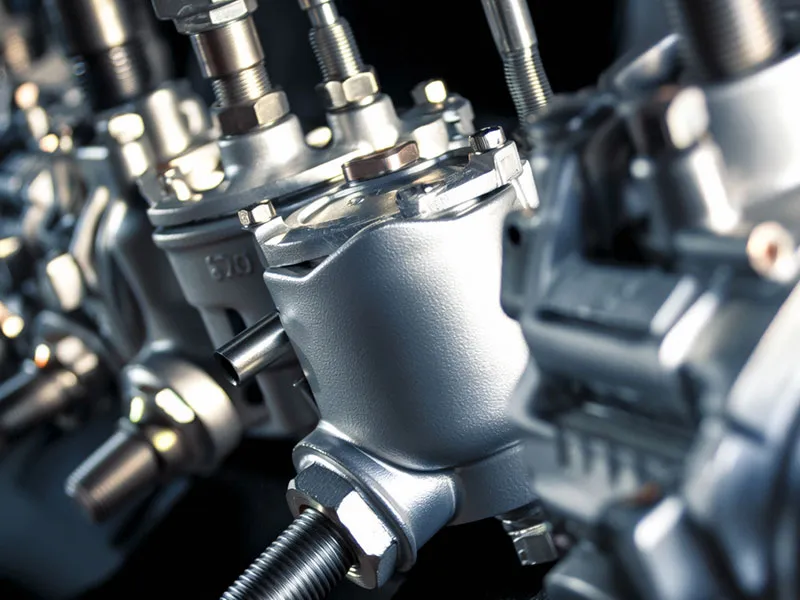
Valve parts
valve rocker arms and supports, pressure relief valves
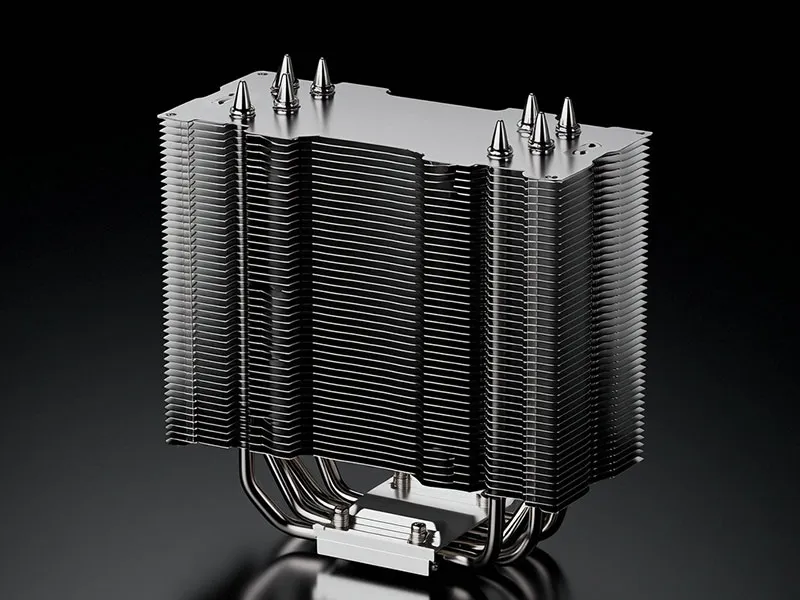
Electronic equipment
radiators, motor housings and rotors, switches and buttons
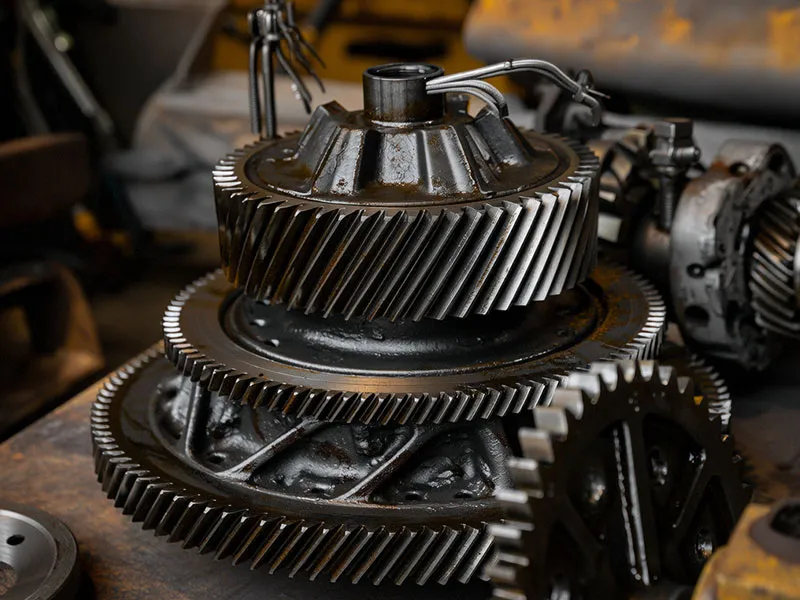
Industrial machinery
gears and bearing seats, lathe tools and fixtures, agricultural machinery parts (such as tractor transmissions and gears)
Aluminum Investment Casting Advantages
Ability to produce complex geometries:Aluminum investment casting is able to produce parts with complex geometries and fine details, such as cooling channels and contours of aircraft engine blades, which are usually difficult to achieve through other manufacturing methods.
High precision and surface quality:Aluminum castings from investment casting have extremely high dimensional accuracy and surface finish, close to net shape, reducing the need for subsequent machining, thereby reducing production costs.
Lightweight and high strength:Aluminum alloys are lightweight but high-strength, making them ideal materials for industries such as automotive and electronic equipment. In addition, the elastic modulus of aluminum alloys is about one-third that of steel, but through careful design, lighter and more rigid structures can be manufactured.
Excellent thermal conductivity:Aluminum alloys have good thermal conductivity, which makes them excellent in heat sinks, electronic housings and other thermal management applications.
Environmental protection and sustainability:Aluminum alloys are 100% recyclable materials, which makes the aluminum investment casting process more environmentally friendly and in line with the requirements of sustainable development.
Custom Aluminum Investment Casting Process
Step 1: Wax Model Making
First, a precise wax model is made using wax or other fusible materials. These wax models are usually made by injection molding technology.
Step 2: Embedding
The wax model is immersed in a slurry containing ceramic materials to form a shell mold. Shell molds are usually made of materials such as silica and alumina.
Step 3: Heating
The embedded shell mold is heated to melt and flow out of the wax model, leaving a cavity.
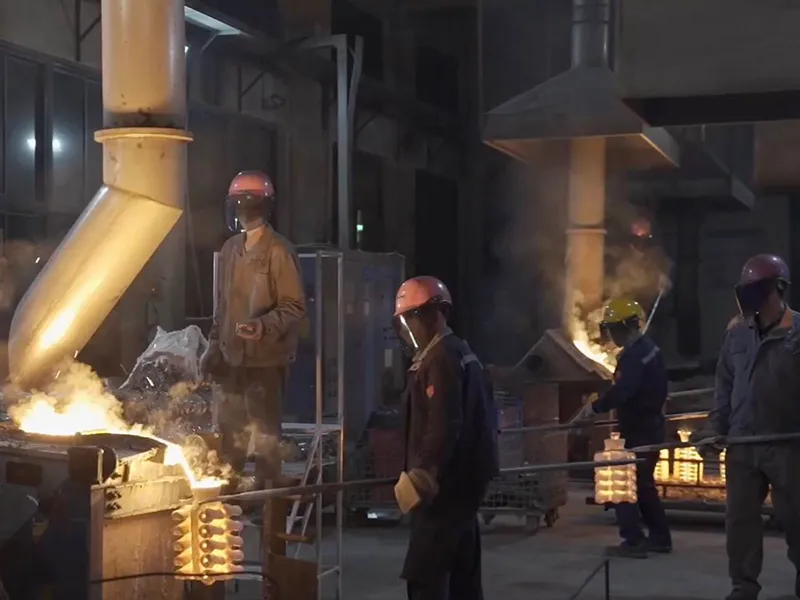
Step 4: Pouring
Molten aluminum is poured into the cavity and formed into a part after cooling.
Step 5: Post-processing
The shell mold is removed, surface defects are cleaned, and necessary machining is performed to achieve the final requirements.
Aluminum Types Used In Investment Casting
Aluminum is widely used in lost wax casting, mainly due to its light weight, high strength, good corrosion resistance and excellent casting properties.
The aluminum materials used in aluminum investment casting mainly include the following:
A-356 Alloy:This is a common aluminum-silicon alloy with good casting properties, dimensional stability and strength, and is widely used in the production of castings in the aviation, automotive and industrial fields.
A-357 Alloy:Similar to A-356, A-357 alloy is also an aluminum-silicon alloy with excellent mechanical properties and corrosion resistance, suitable for castings with complex shapes.
C-355 Alloy:This is an aluminum-magnesium alloy with high strength and good corrosion resistance, often used for castings that require high strength and durability.
F-357 Alloy:This alloy contains aluminum, magnesium and silicon, has excellent comprehensive properties, and is suitable for castings in high temperature environments.
LM25, LM6 and LM4 Alloys:These are aluminum-lithium alloys with high strength and low density, suitable for the needs of the aerospace field.
ADC12 and A380 Alloys:These alloys are mainly used for pressure casting, but can also be produced by lost wax casting process in some cases.
Aluminum-magnesium Alloys such as AlSi10MnMg:These alloys have high strength and good casting properties and are suitable for complex thin-walled parts.
Aluminum-zinc Alloys such as ZA series Alloys:These alloys have high strength, good casting properties and excellent bearing properties and can be used to replace traditional cast iron, bronze and steel.
Why Choose SCOJET Aluminum Investment Casting?
- We guarantee the reliability and consistency of our products through quality management systems such as ISO 9001 certification.
- We are familiar with various aluminum alloys (such as A356, A357, etc.) and can customize non-standard alloys according to customer needs.
- We can master industry knowledge such as alloy fluidity, hot tear resistance and casting performance to optimize the production process.
- We have high-precision machining capabilities and surface treatment technologies (such as polishing, coating, etc.) to ensure the performance and appearance of parts.
- We have a professional technical support team that can provide customers with a full range of services from design to production.