Custom CNC Machining Auto Parts Manufacturer

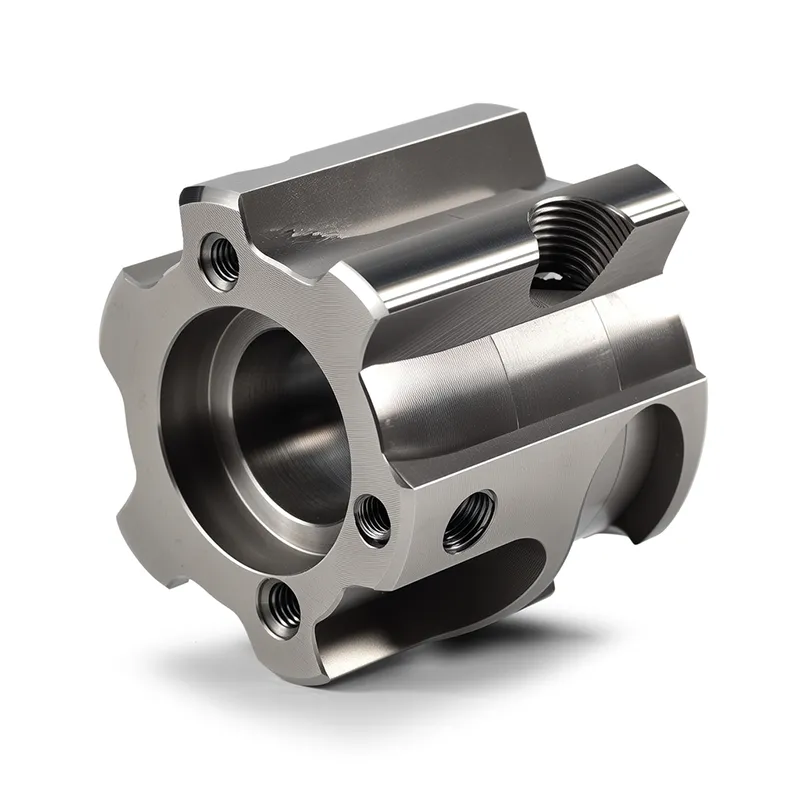
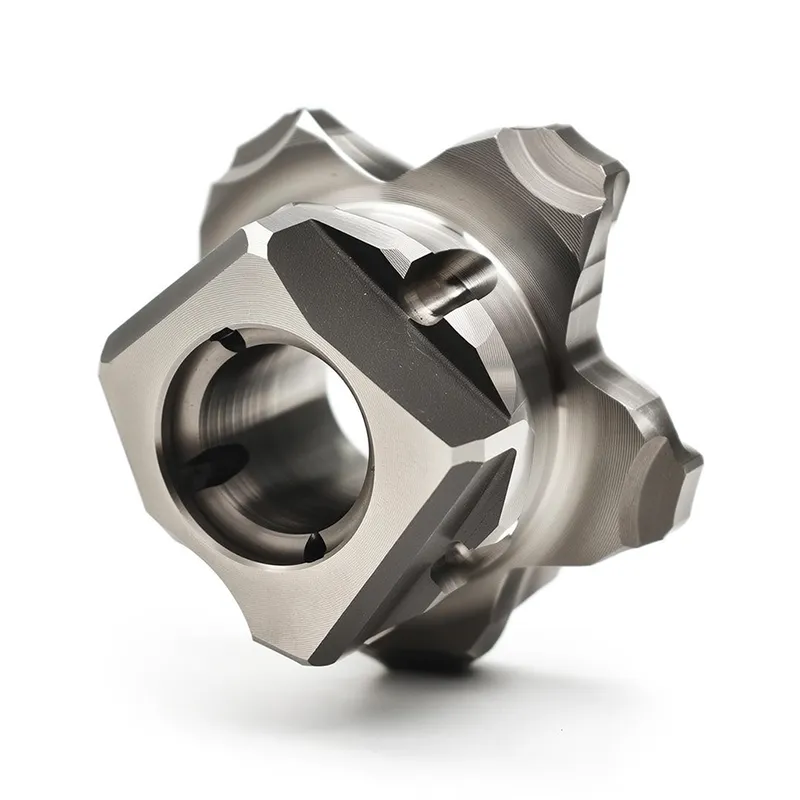
CNC Machining Auto Parts is an industrial manufacturing technology that uses computer-controlled machines to cut, drill, mill and other operations on metal, plastic or other materials to produce high-precision, complex-shaped auto parts. This technology is widely used in the automotive manufacturing field to improve production efficiency, reduce costs and ensure product quality.

Custom CNC Machining Auto Parts

Common CNC Machining Automotive Parts Types

Engine parts

Engine parts

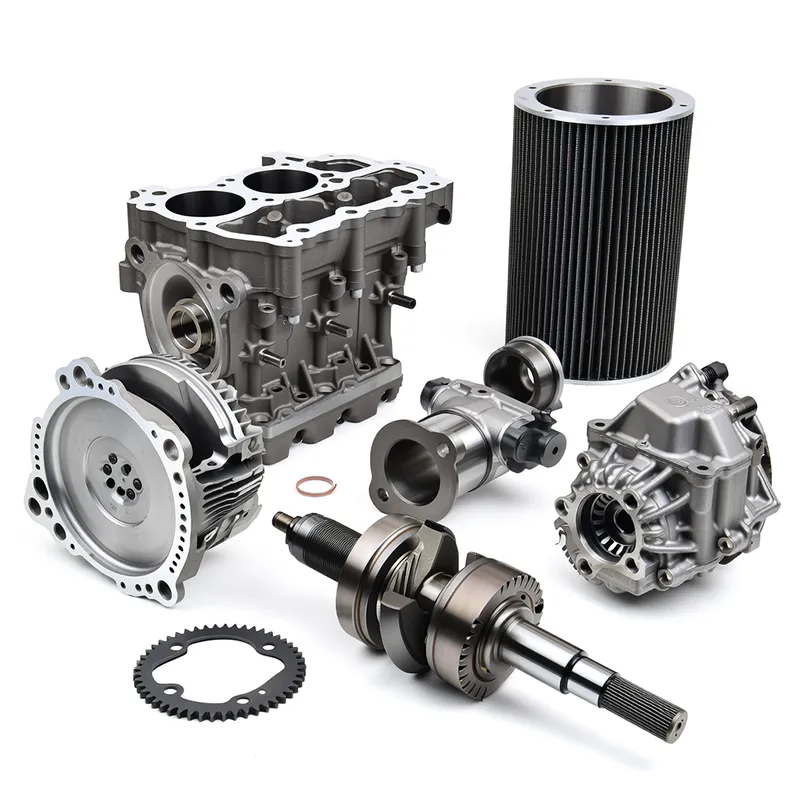
Engine block, cylinder head, crankshaft, camshaft and connecting rod, etc.

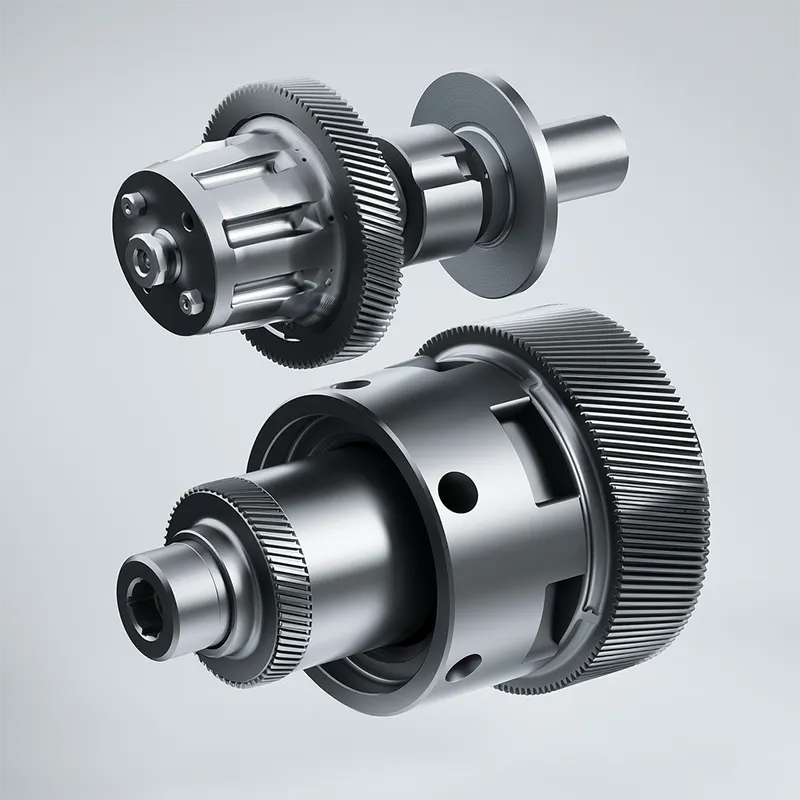
Transmission parts

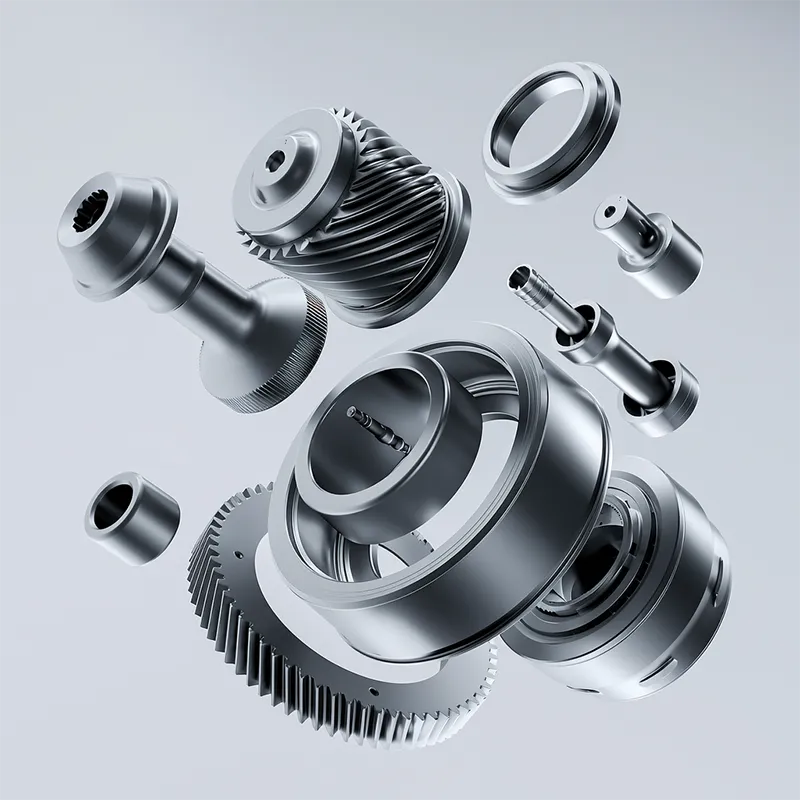
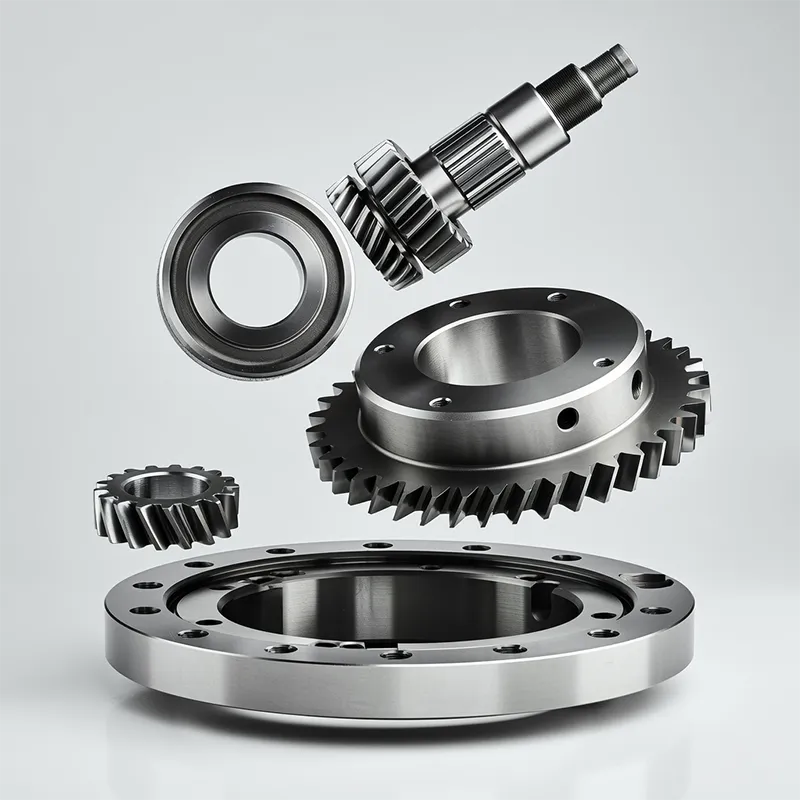
Gears, shafts and housings

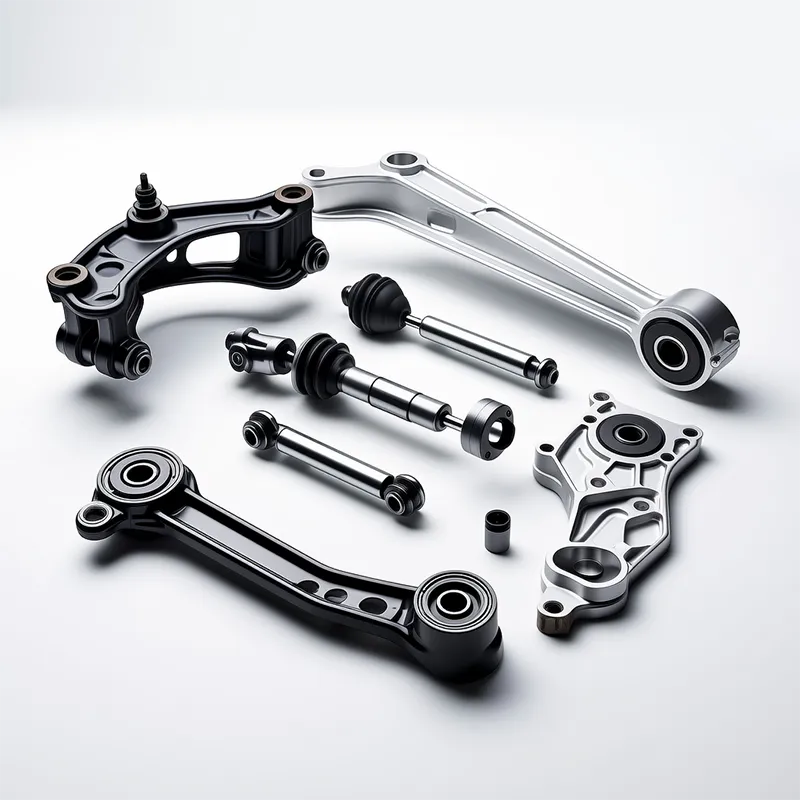
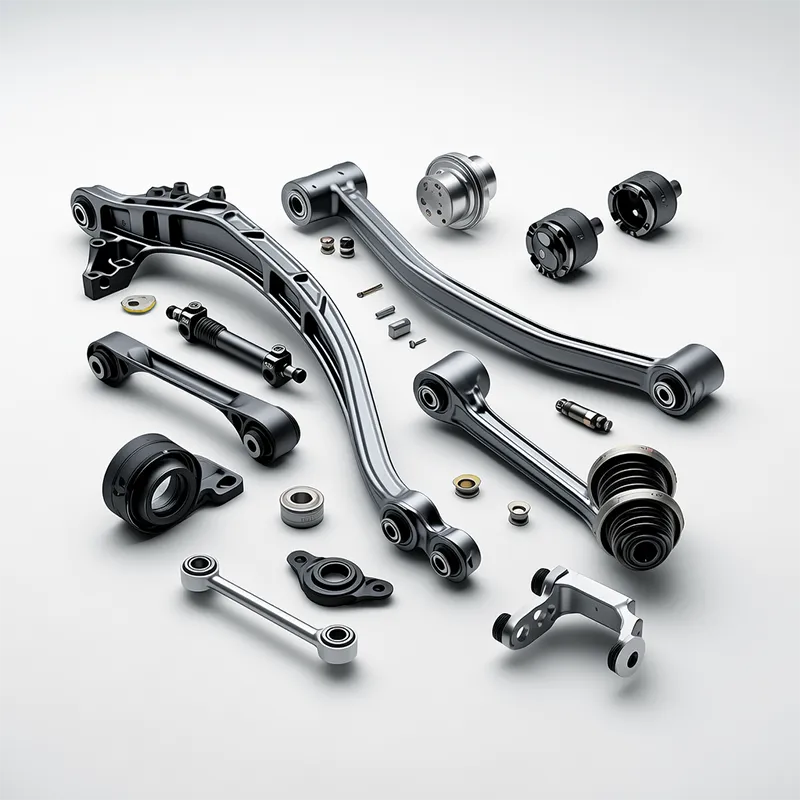
Suspension parts

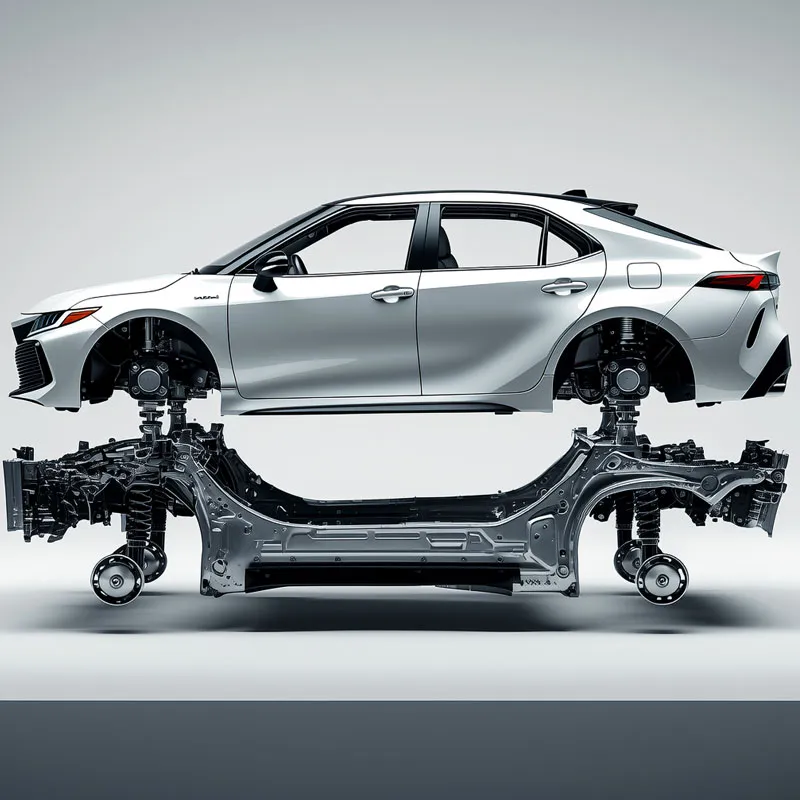
Control arms, steering knuckles and shock absorbers.

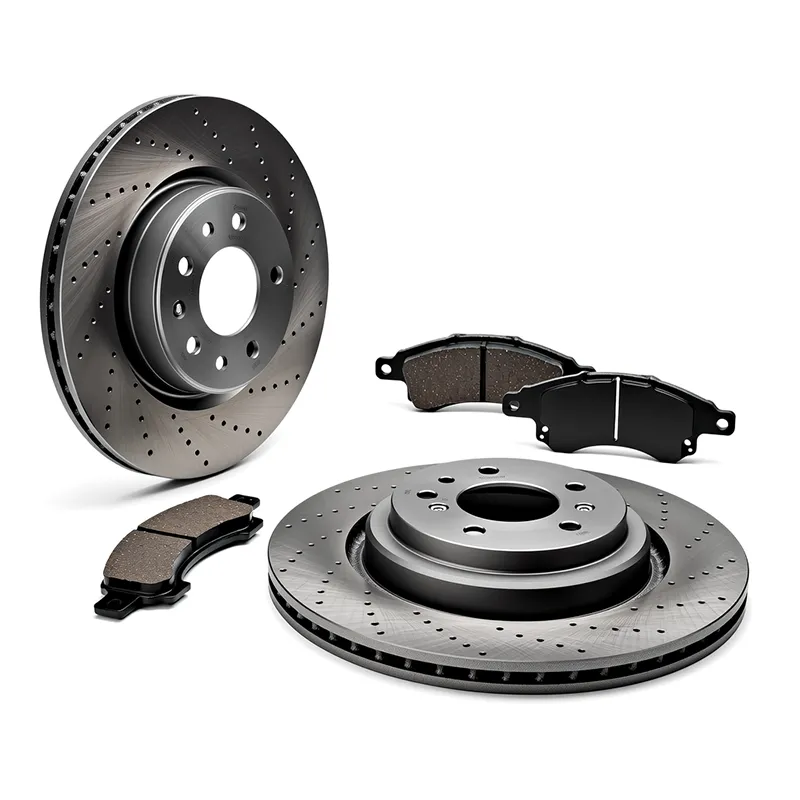
Brake parts

Brake pads, brake discs and brake calipers, etc.

Electrical parts

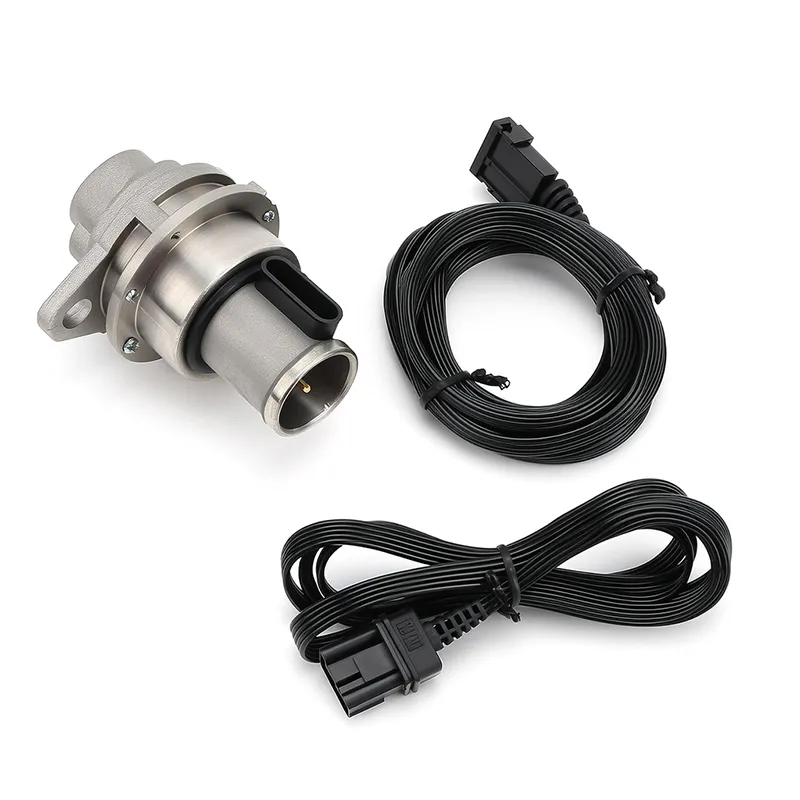
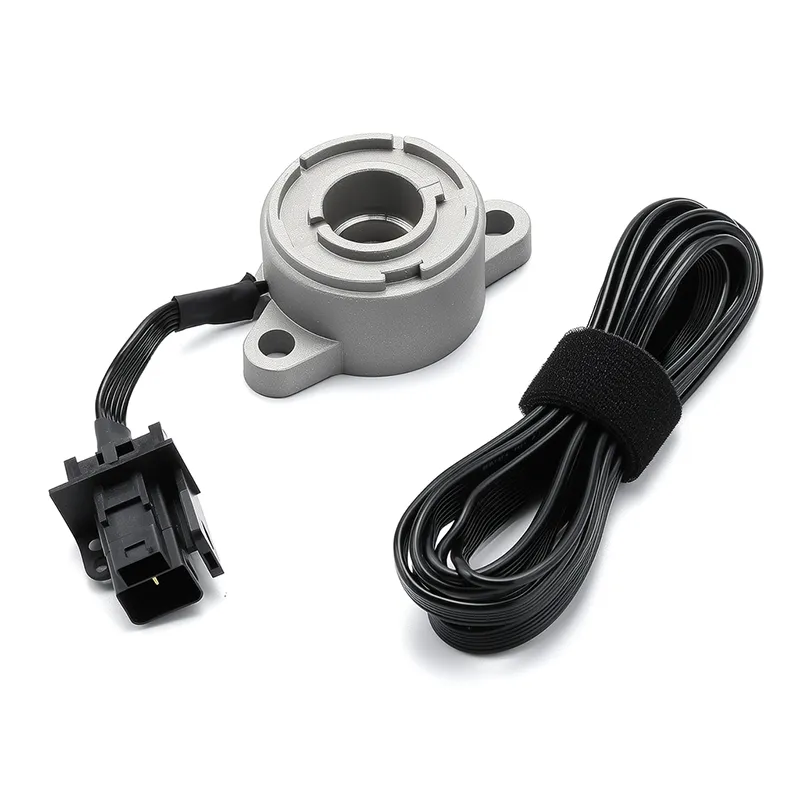
Sensor housings, connectors and wiring harnesses.

Body parts

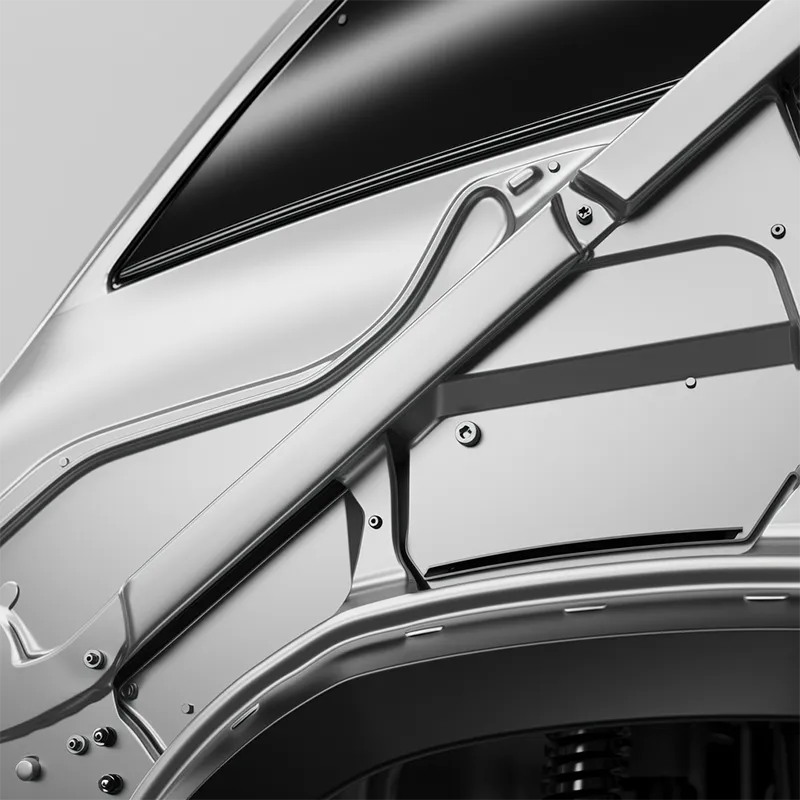
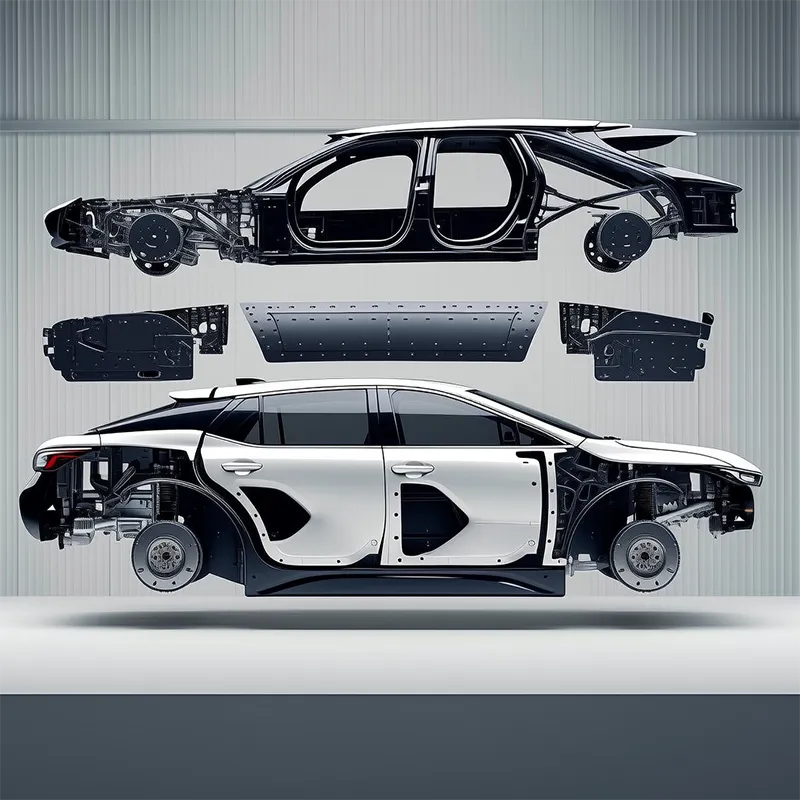
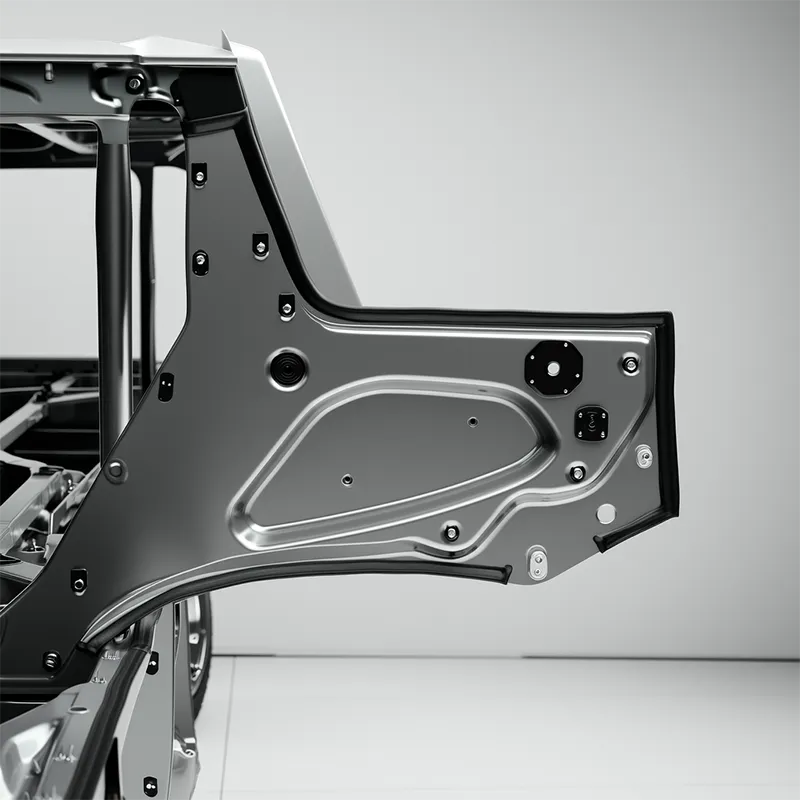
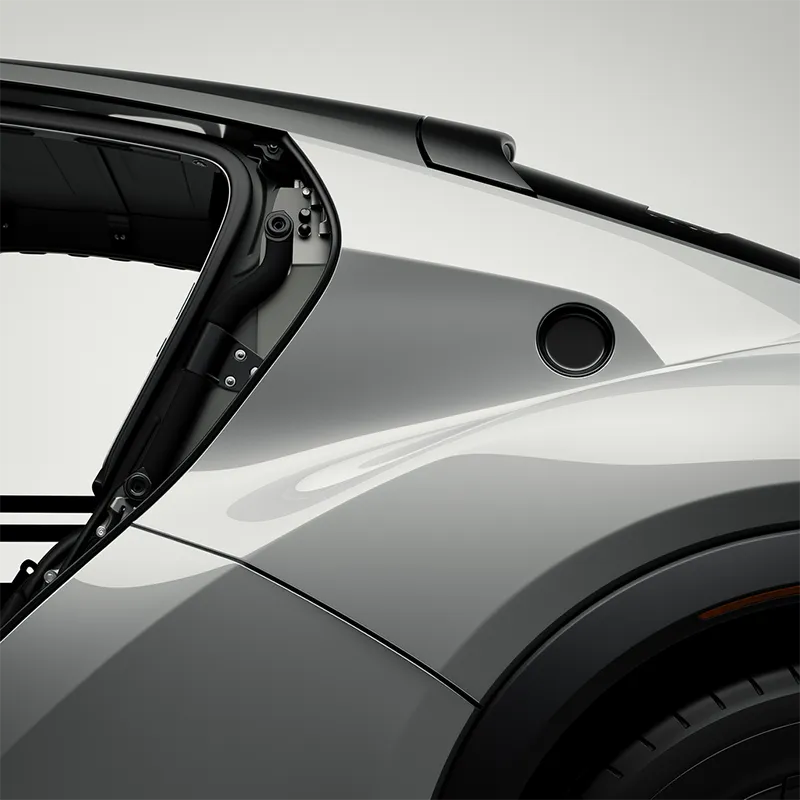
Doors, roofs and frames

Non-standard custom parts

Usually used for special applications or limited edition models.

CNC Machining Types Used for Car Parts Manufacturing

CNC milling

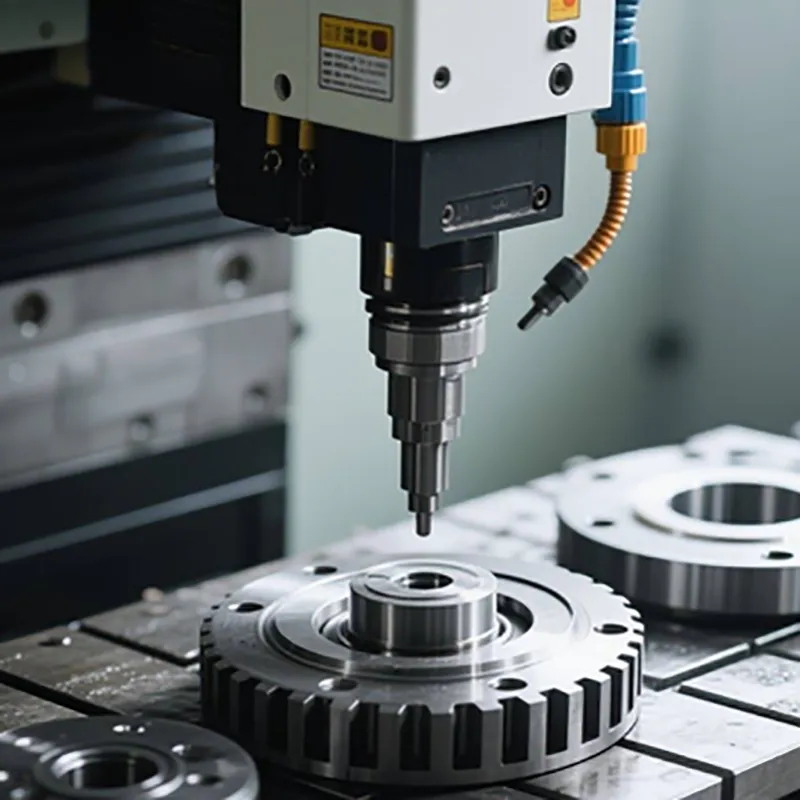
CNC milling

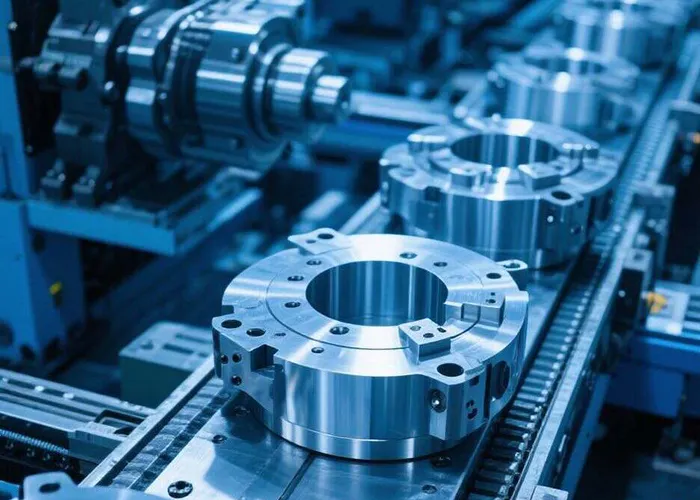
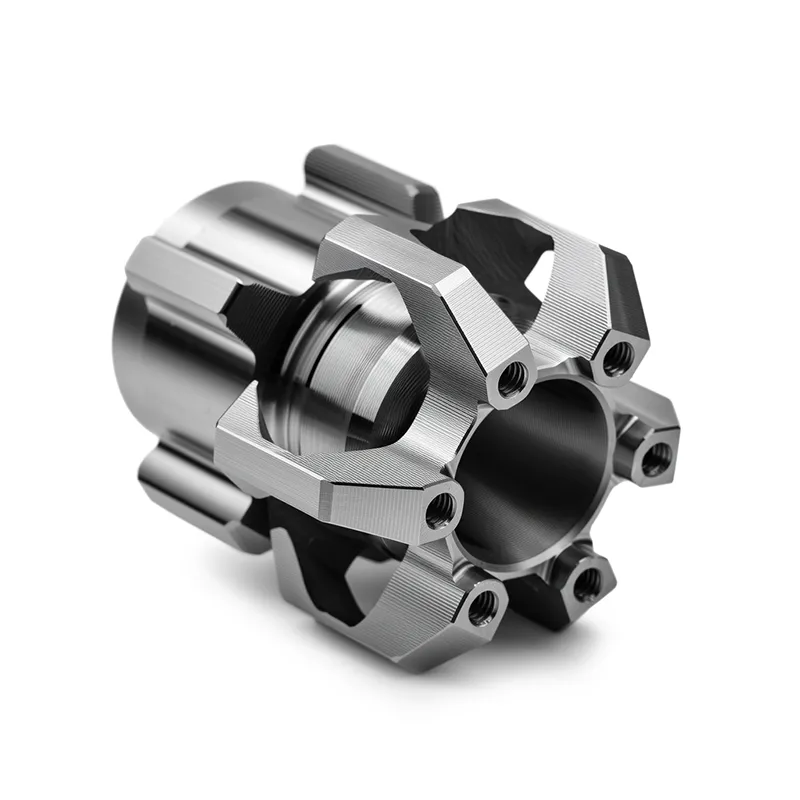
CNC milling is a machining technology that removes material from a workpiece by rotating a tool to create the desired shape. It is suitable for manufacturing parts with complex geometries, such as engine blocks, transmission housings, and cylinder heads.

CNC turning

CNC turning

CNC turning is mainly used to manufacture cylindrical or conical parts, such as shafts, bearings, and gears. Unlike CNC milling, CNC turning is performed by rotating the workpiece and using a fixed tool. CNC turning can integrate milling functions to form a so-called “turn-mill composite center”, thereby improving machining efficiency and accuracy.

CNC grinding

CNC grinding

CNC grinding is used to remove excess material from the surface of automotive parts to produce high-precision parts such as gears, pistons, and crankshafts. CNC grinding can ensure the surface roughness and dimensional accuracy of parts, and is suitable for parts with high surface quality requirements.

CNC laser cutting

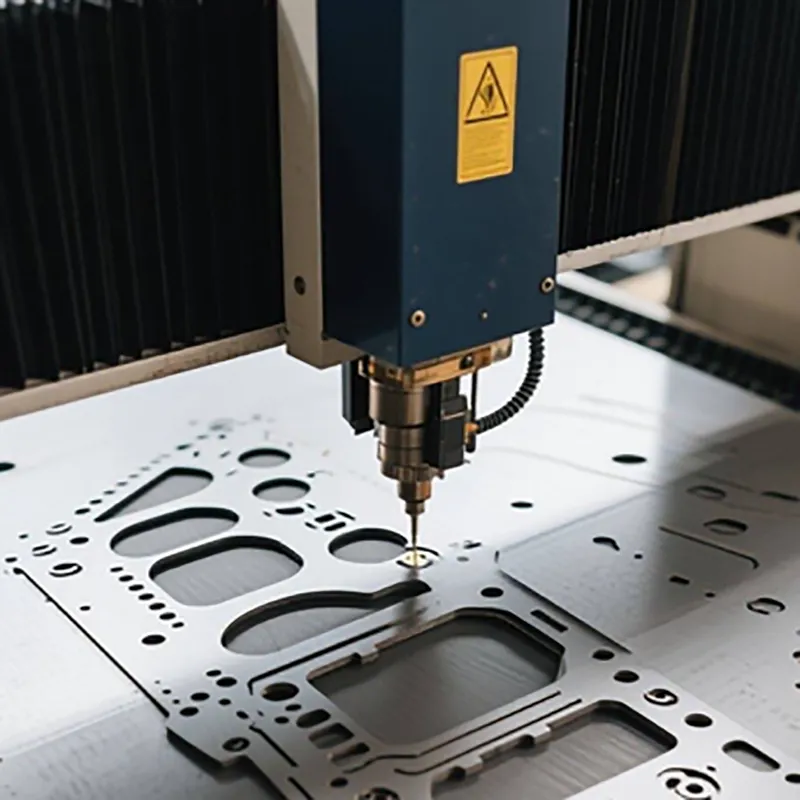
CNC laser cutting

CNC laser cutting machines use high-power lasers to cut materials such as metals, plastics, and wood, and are suitable for manufacturing parts with complex shapes, such as brackets and engine parts. CNC laser cutting can achieve high precision and fast cutting speeds, and is suitable for occasions where rapid prototyping is required.

Material Types Used For CNC Machining Auto Parts

Aluminum alloys are widely used in CNC machining of automotive parts due to their light weight, high thermal conductivity and good processing properties. Common aluminum alloys include 6061, 6063, 7075 and 5052. For example, 6061 aluminum alloy has good mechanical strength and corrosion resistance and is suitable for structural parts; 7075 aluminum alloy is often used in high-performance automotive parts due to its high strength and light weight.

Stainless steel has excellent corrosion resistance and mechanical strength. Common stainless steel types include 304, 316, 303, etc. For example, 304 stainless steel has good processing and welding properties; 316 stainless steel has excellent corrosion resistance.

Carbon steel is suitable for automotive parts that require high strength due to its high hardness and wear resistance. Common carbon steel types include 1045, 45#, 20#, etc. For example, 1045 carbon steel has good surface hardening treatment capabilities and is suitable for electronic hardware and mechanical parts.

Magnesium alloys are suitable for automotive parts that need to reduce weight due to their light weight and high thermal conductivity. For example, magnesium alloys are often used in engine hoods and seat frames.

Features of Custom CNC Machining Auto Parts

High Precision and Consistency: CNC machining can achieve extremely high machining accuracy and consistency, which is one of its key advantages in automobile manufacturing. Automotive parts usually require very small tolerances (such as ±0.002mm) to ensure precise fit and functional performance between components. For example, the manufacturing of key components such as engine cylinder heads and gearboxes relies on the high precision of CNC machining. In addition, the repeatability of CNC machine tools ensures that each batch of parts remains consistent in size and shape, thereby improving product quality and reliability.

Versatility and Complex Shape Processing: CNC machining technology can handle a variety of materials (such as metals, plastics, composites, etc.) and can process complex geometries. For example, CNC machines can be used to manufacture engine parts (such as pistons, crankshafts), transmission system parts (such as gears, shafts), suspension system parts (such as control arms, steering knuckles), and exhaust system parts (such as manifolds, catalytic converters). In addition, CNC machining can also achieve multi-axis composite processing, completing the processing of multiple surfaces in one clamping, thereby improving efficiency and reducing clamping errors.

Efficient Production and Rapid Prototyping: CNC machining is not only suitable for mass production in automotive manufacturing, but also for rapid prototyping. Through CNC machining, automakers can quickly produce prototype parts for design verification and functional testing, thereby shortening the product development cycle. For example, CNC machining can be used to manufacture complex parts such as automotive interior panels (such as dashboards) and starter motors. In addition, the automated nature of CNC machining makes the production process more efficient and reduces manual intervention and human errors.

Flexibility and Customization: CNC machining technology is highly flexible and can be customized according to different design requirements. Whether it is small-batch production or large-scale production, CNC machining can provide corresponding solutions. For example, CNC machining can be used to manufacture customized parts for classic models, or non-standard parts designed for special applications. In addition, CNC machining also supports the rapid replacement of molds and tools to adapt to different product requirements.

Cost-effectiveness and Automation: CNC machining reduces labor costs and improves production efficiency through automation. For example, CNC machines can run continuously 24/7, reducing downtime and thus improving production efficiency. In addition, the high precision and consistency of CNC machining reduce scrap rates and reduce material waste, thereby reducing overall production costs. In addition, CNC machining also supports network integration and remote monitoring, which improves the intelligence level of production management.

Material Selection and Surface Treatment: CNC machining technology can process a variety of materials, including aluminum alloys, cast iron, stainless steel, titanium alloys, copper alloys, and plastics (such as nylon, ABS, polycarbonate, etc.). In addition, CNC machining also supports a variety of surface treatment processes, such as anodizing, polishing, electroplating, spraying, etc., to meet the needs of different application scenarios.

Metal Types Used For Automotive Parts Die Casting

Aluminum is one of the most commonly used metals in auto parts die casting. It is characterized by light weight, high strength, good thermal conductivity and corrosion resistance.

Aluminum die castings are often used to manufacture engine parts (such as cylinder blocks, crankcases), transmission housings, brake system components, body panels (such as roofs, engine hoods), and electronic housings.

Aluminum die castings have high dimensional accuracy and surface finish, and are easy to recycle and meet environmental protection requirements.

Zinc is widely used in the manufacture of small and complex automotive parts such as gears, connectors, and housings due to its low melting point and good casting properties.

Zinc die castings have excellent mechanical properties and surface quality, as well as good corrosion resistance and long service life. Zinc alloys are usually combined with aluminum or copper to improve strength and wear resistance.

Magnesium is one of the lightest metals in automotive parts die casting. It has high strength, high specific strength and good corrosion resistance.

Magnesium alloys are often used to manufacture engine parts (such as pistons), transmission system components, and lightweight body structural parts. The low density of magnesium alloys helps reduce vehicle weight, thereby improving fuel efficiency and reducing emissions.

Get In Touch with us

Scroll to Top

Get In Touch with us