
 English
  Arabic
  French
  German
  Italian
  Russian
  Spanish
 Custom Injection Molding Automotive Parts Manufacturer
Custom injection molding automotive parts is a highly customized manufacturing process that is specifically designed to produce the plastic components required for automotive parts. This process combines advanced mold design, precision injection molding technology, and material science to meet the automotive industry’s needs for high quality, high precision, and complex designs.
Injection molding involves injecting molten plastic into a mold cavity, where it cools and solidifies to form the desired shape. This method enables the production of plastic parts with smooth surfaces and intricate geometries. In custom automotive plastic injection molding, molds are tailor-made to exact specifications to ensure parts precisely match the automotive design requirements.
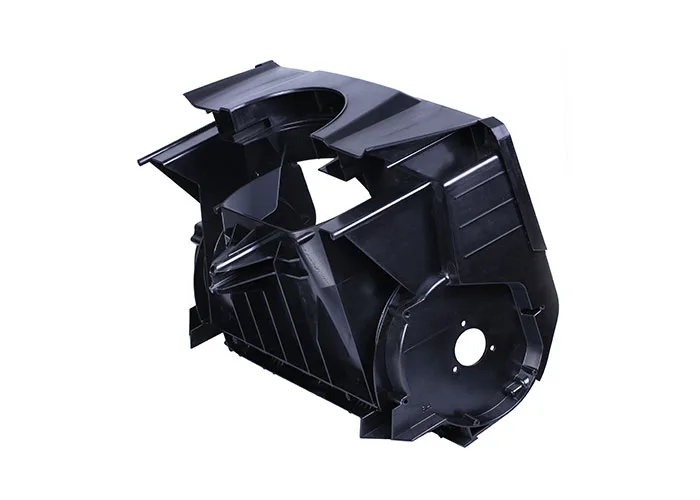
Injection Molding Automotive Parts Types
Interior parts: Dashboard panels, Door panels, Seating components (including seat frames, backrests, etc.), Lighting units (headlamp housings)
Exterior parts: Fenders, Bumpers, Grilles
Engine parts: Air intake manifolds, Fuel system components, Engine covers
Electrical parts: Sensors, Control panels
Other accessories: Cup holders, Windshield wiper components (such as wiper arms and blades), Air vents
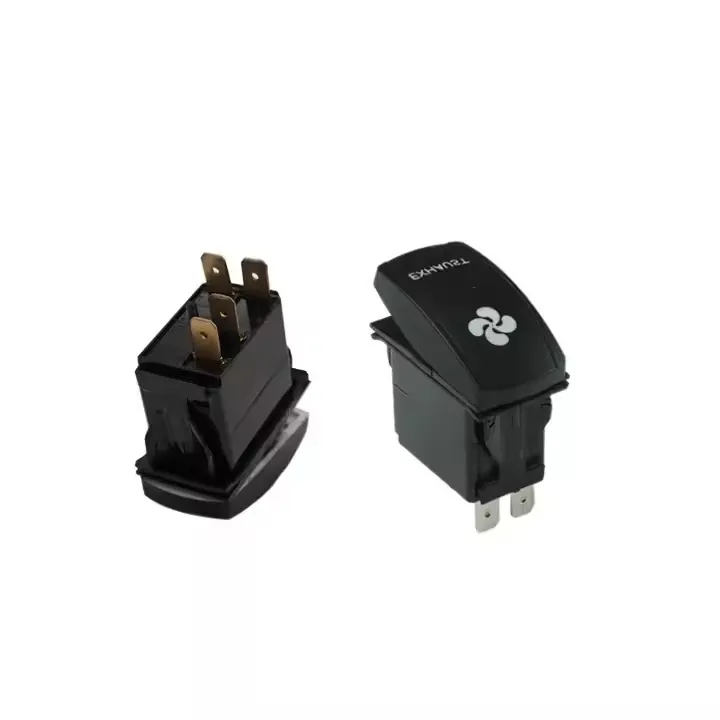
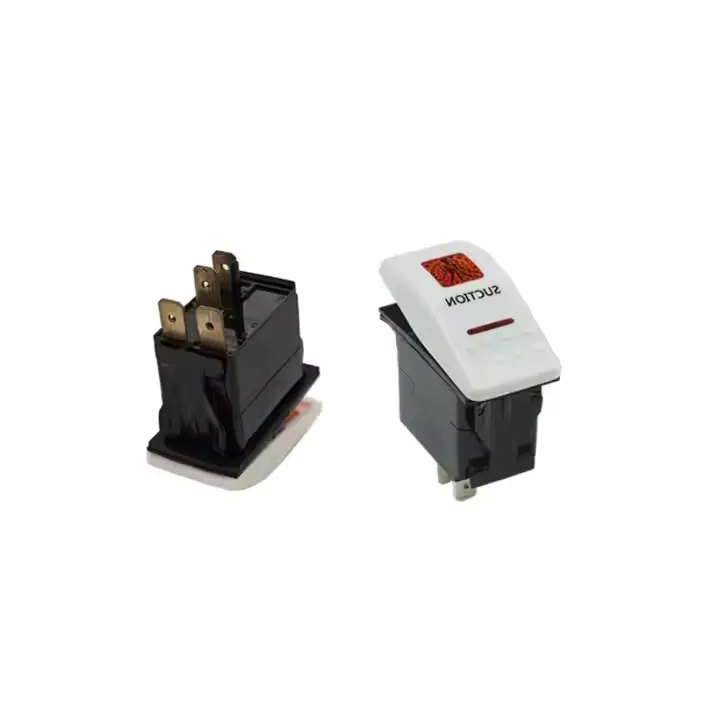
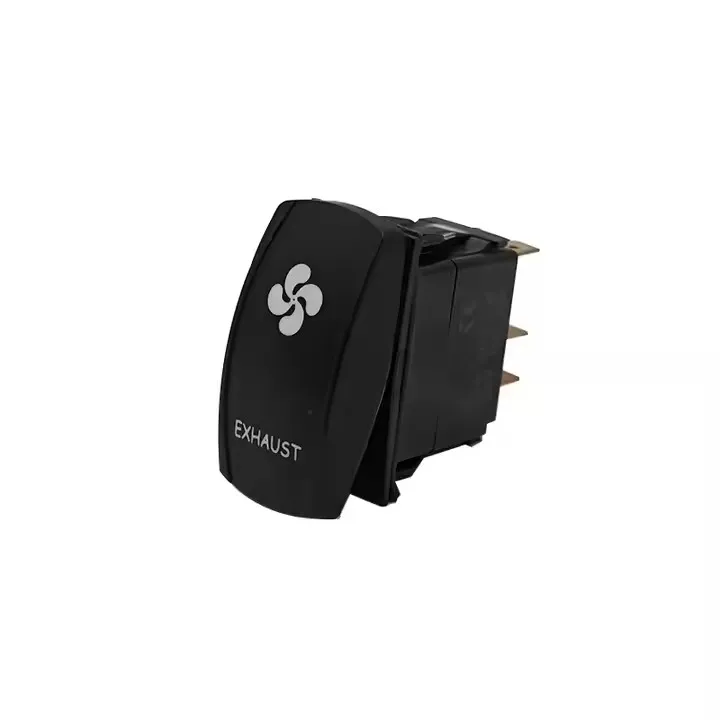
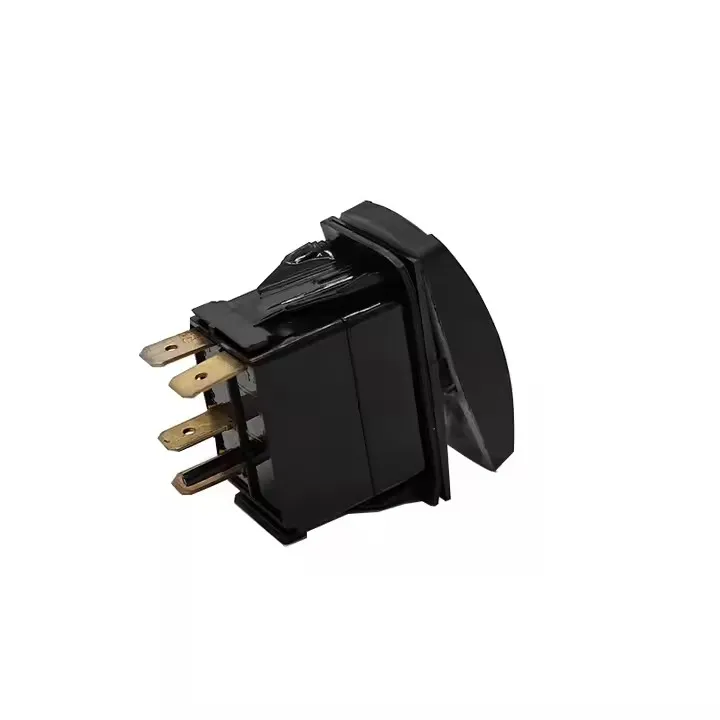
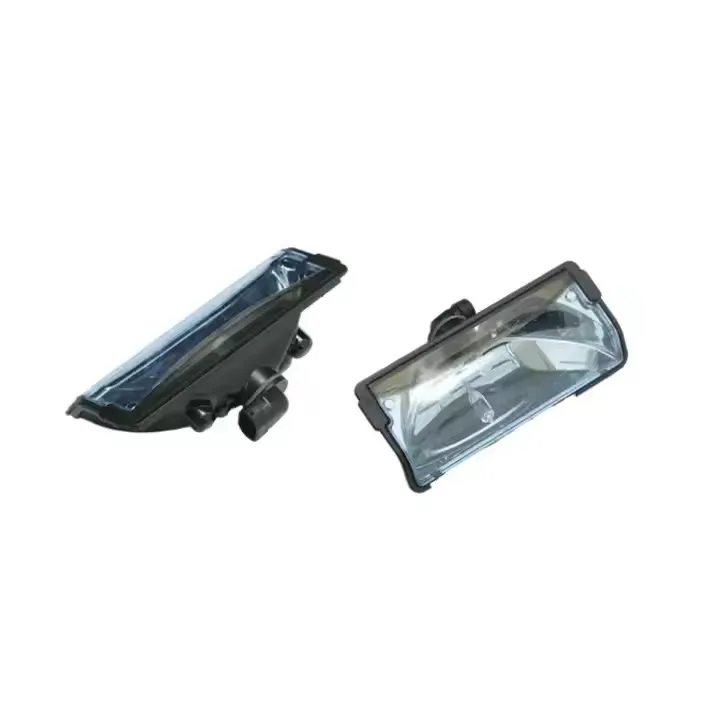
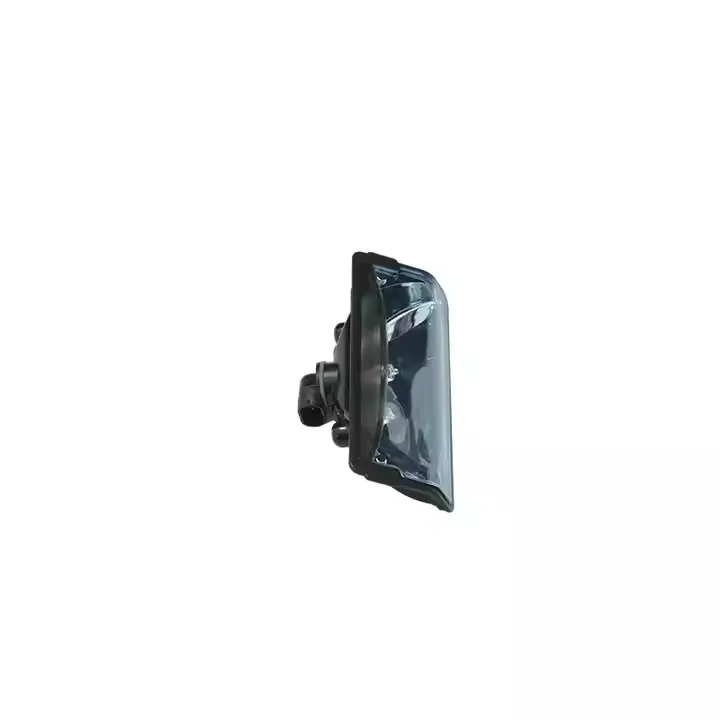
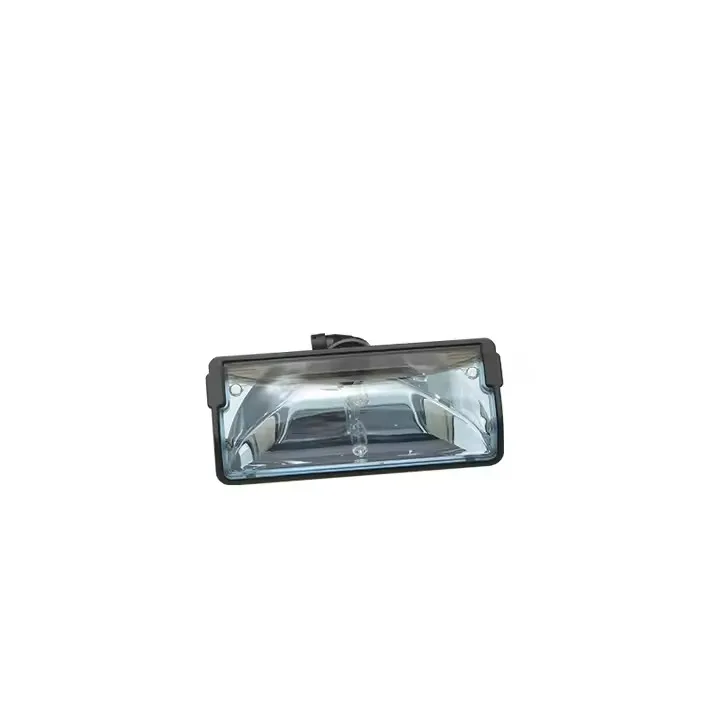
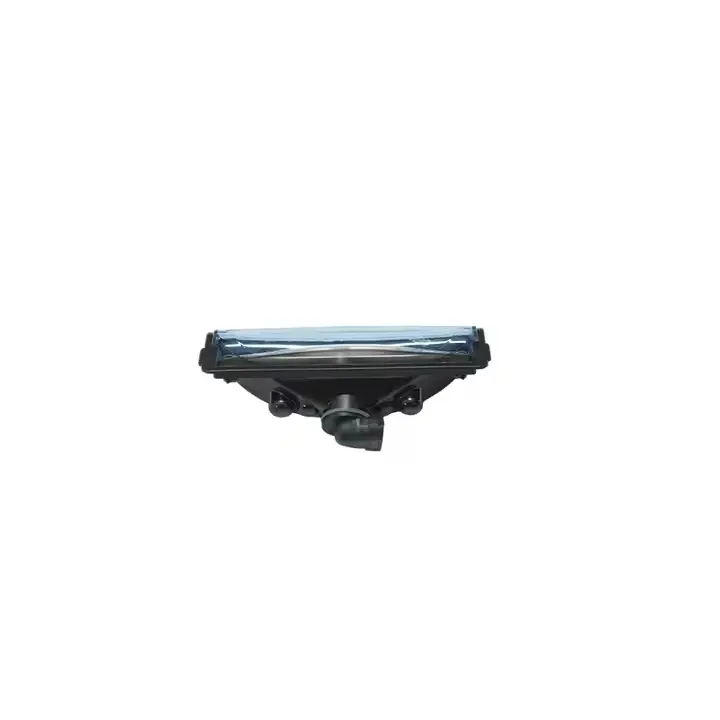
SCOJET Custom Injection Molding Automotive Parts Example
Features of Plastic Injection Molding Automotive Parts
High Precision and Complex Design: Customized automotive plastic injection molding can achieve tolerance control of ±0.02mm and support complex geometries and details.
Material Selection: Use a variety of plastic materials (such as ABS, PC, PA, etc.), and adjust the color and surface treatment according to customer requirements.
Efficiency and Cost- effectiveness: Injection molding is an efficient and economical mass production method, especially suitable for large-scale production of automotive parts.
Diversified Applications: Customized automotive plastic injection molding is widely used in the production of automotive interior parts, housings, lampshades, buttons and other parts.
Color Control and Surface Treatment: Injection molding allows the addition of pigments directly in the mold or the use of masterbatches to achieve consistent color effects. In addition, surface treatment technology can also be used to improve the appearance and feel of the parts.
Injection Molding Automotive Parts Materials
Polypropylene (PP): This is a lightweight, chemically and fatigue-resistant thermoplastic widely used in automotive interiors and under-the-hood parts. It is favored for its excellent strength-to-weight ratio and chemical resistance.
Polyethylene (PE): It is divided into high-density polyethylene (HDPE) and low-density polyethylene (LDPE). HDPE has good toughness, impact resistance and heat resistance, and is suitable for applications such as packaging and pipes. LDPE is used in some automotive parts due to its low-temperature resistance and processing properties.
Acrylonitrile Butadiene Styrene (ABS): Known for its high impact strength, dimensional stability and easy processing, it is often used in automotive interior components and exterior trim.
Polycarbonate (PC): This is a transparent and strong material commonly used in automotive lamp covers, dashboards and other parts that require high strength and transparency.
Nylon (PA): It is widely used in automotive parts such as gears, bearings and connectors due to its excellent mechanical properties and heat resistance.
Custom Injection Molding Plastic Car Parts Process
Step 1: Mold Preparation
Mold design and manufacturing are the basis of the entire injection molding process. The mold is usually made of metal (such as steel or aluminum) and is precision machined to ensure high precision and durability. The mold design needs to be customized according to the shape and function of the required part, including cavity and core design, gating, cooling channels, and venting systems.
Step 2: Plastic Melting
The raw materials are usually plastic pellets, which are fed into a heated barrel. Through screw rotation friction heating, the plastic pellets gradually melt into liquid plastic.Temperature and time control are critical to achieving proper melting.
Step 3: Injection
Molden plastic is injected into the closed mold cavity through the nozzle of the injection unit. The injection process needs to be carried out under high pressure to ensure that the plastic completely fills all cavities and detailed parts of the mold. The injection speed and pressure are key parameters that affect product quality and need to be optimized according to material properties and product requirements.
Step 4: Holding Pressure and Cooling
After the injection is completed, the mold remains closed and a certain holding pressure is applied to prevent defects in the plastic due to cooling shrinkage. At the same time, the cooling system (such as cooling water channels) in the mold starts working, allowing the plastic to cool rapidly and solidify into shape. The cooling time depends on the material type, mold design, and ambient temperature.
Step 5: Ejection
Once the plastic is fully solidified, the mold opens, and the finished part is ejected from the mold cavity using ejector pins or rods. At this point, subsequent processing, such as trimming edges or removing flash, may be required to improve the appearance quality of the part.
Why Choose SCOJET?
Fast delivery time: Custom plastic molding prototypes and production parts can be provided in as fast as 5 working days, which greatly shortens the product development cycle and improves efficiency.
Wide range of complexity and size adaptability: SCOJET is able to produce automotive parts of various complexity and sizes, from small precision parts to large parts.
Material diversity and flexibility: SCOJET supports a variety of thermoplastic and thermosetting plastic material options, including ABS, PC, PET, PMMA, etc., and can customize material properties according to customer needs. In addition, SCOJET also provides a variety of surface treatment options such as matte, texture and metal effects to meet the needs of different application scenarios.
Flexibility from small batch to large-scale production: Whether it is small batch prototyping or large-scale mass production, SCOJET can provide comprehensive support. For example, some services can complete prototyping within 7 days and support large-scale production of up to 1 million parts.