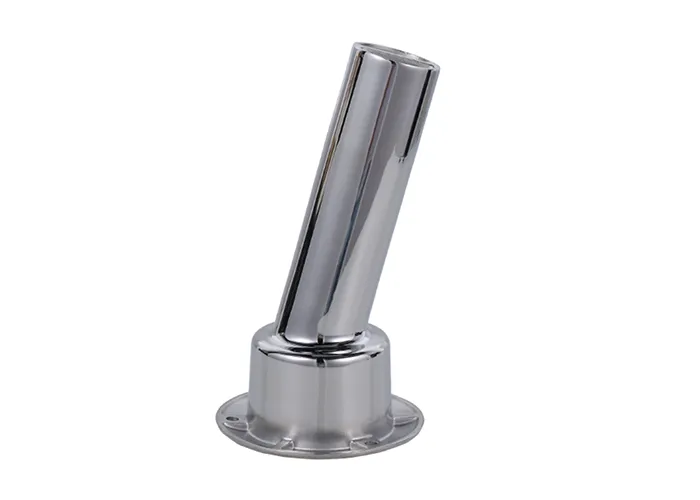
Custom Stainless Steel Investment Casting Service Manufacturer
Stainless Steel Investment Casting is a metalworking process used to produce stainless steel parts with complex structures and high precision.
In the stainless steel investment casting process, the shape of the part is first modeled by a wax pattern or other materials (such as foam). Then, a ceramic material is coated on the surface of the pattern to form a hard shell. The wax pattern is then heated to melt and removed, leaving a precise mold cavity. Finally, molten stainless steel is injected into the mold cavity and cooled to form the desired stainless steel part.
Custom Stainless Steel Investment Casting Products

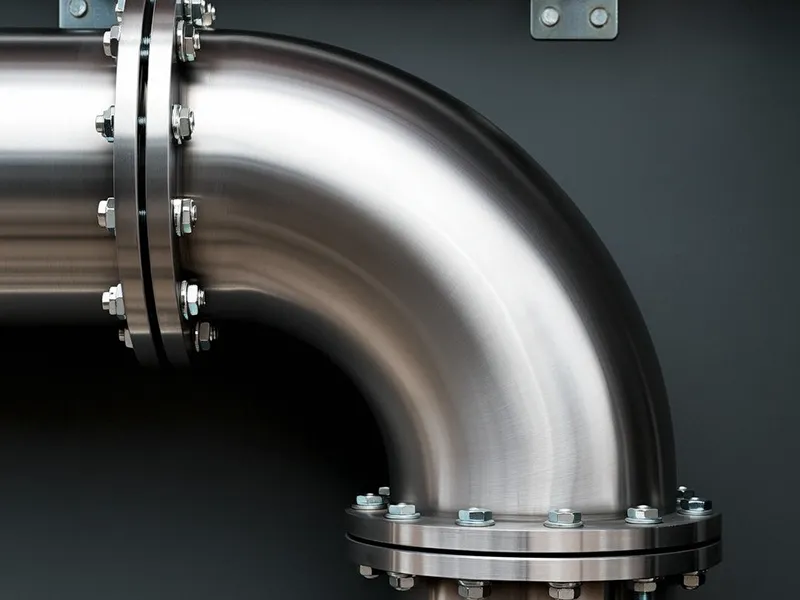
Pipe fittings
Pipe fittings (such as elbows, tees, elbows, etc.), Stainless steel pipe fittings (including pipe fittings of various shapes and sizes),
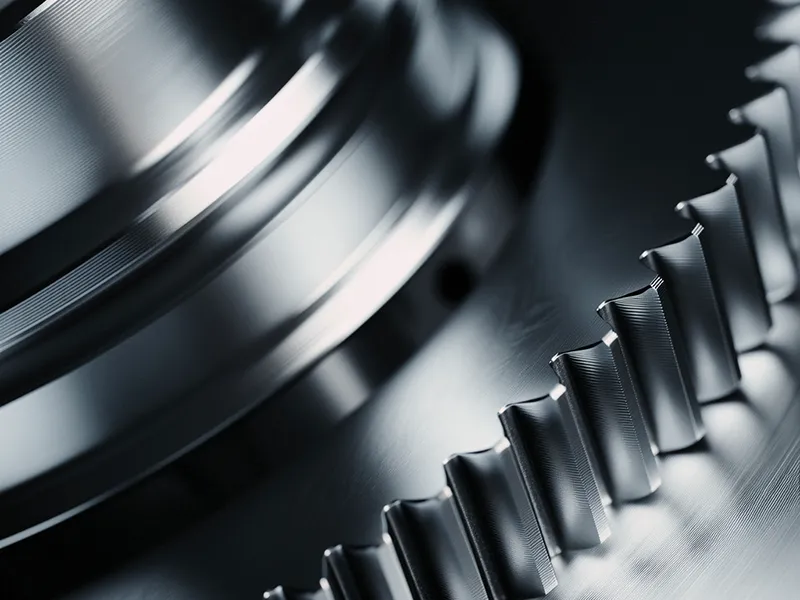
Mechanical parts
Impeller, Gear parts, Valve parts, Pump body

Medical equipment
Medical equipment (such as surgical tools, implants, operating table equipment, etc.), MRI machines, X-ray equipment parts
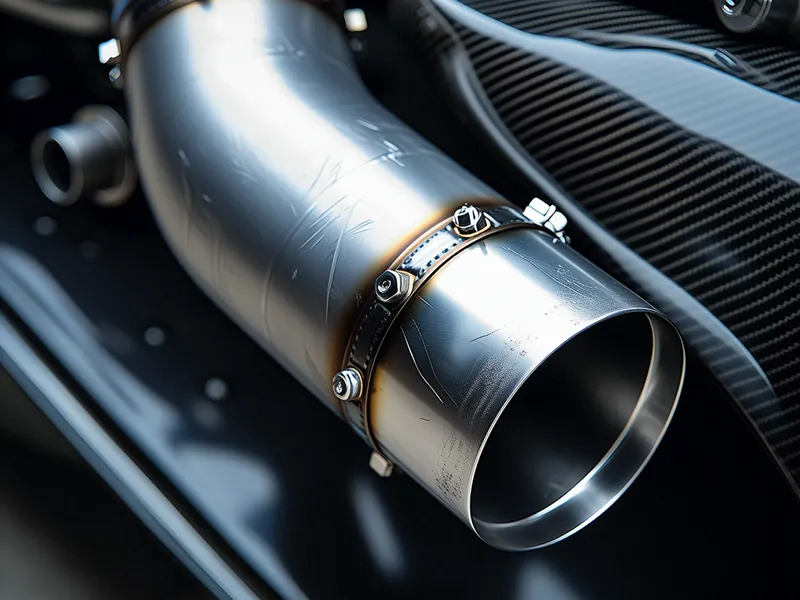
Automotive parts
Exhaust system components, engine parts, car wheels
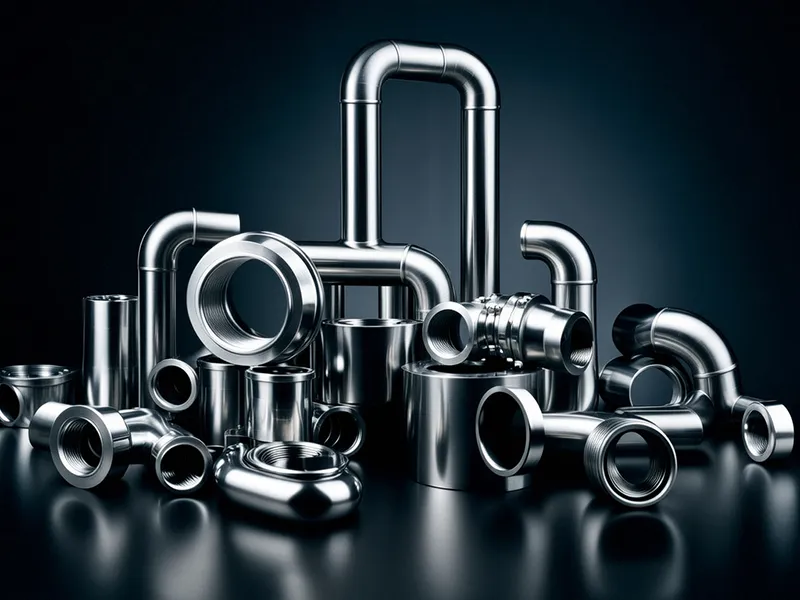
Pipe fittings
Pipe fittings (such as elbows, tees, elbows, etc.), Stainless steel pipe fittings (including pipe fittings of various shapes and sizes)

Other industrial applications
Seals, bearings, etc.
Stainless Steel Investment Casting Advantages
1. Manufacturing Capabilities for Complex Geometries
Investment casting is able to produce complex shapes and geometries that are difficult to achieve with traditional manufacturing methods. This capability makes stainless steel investment casting particularly important in areas such as automotive and medical devices, as it can meet the demand for complex parts in these fields.
2. Excellent Surface Finish
Parts made from stainless steel investment casting typically have a smooth surface finish, reducing the need for subsequent machining, saving time and cost.
3. Material Diversity and Customizability
Stainless steel investment casting can use a variety of stainless steel alloys (such as the 300 series and 400 series) and adjust the material’s properties and characteristics to specific needs. This flexibility allows it to meet the needs of different industries.
4. Excellent Corrosion Resistance
Stainless steel investment casting parts typically have a built-in chromium oxide layer, which gives them excellent corrosion resistance. This property makes stainless steel investment casting parts suitable for harsh environments such as the chemical, marine, and food processing industries.
5. Reduced Machining and Assembly Needs
Investment casting can produce parts close to the final shape in one go, reducing the amount of subsequent machining and assembly work. This not only improves production efficiency but also reduces manufacturing costs.
Custom Stainless Steel Investment Casting Process
Stainless steel investment casting usually adopts lost wax casting technology, and the specific steps include:
Step 1: Make Wax Mold
First, make a wax mold according to the design drawing.
Step 2: Make Ceramic Shell
The wax mold is soaked in refractory slurry, coated layer by layer and dried to form a multi-layer ceramic shell. Zirconia, silica sand and other materials are usually used to ensure the strength and high temperature resistance of the shell.
Step 3: Remove Wax Mold
The wax mold is melted and discharged by heating or chemical methods, leaving a cavity as a mold.
Step 4: Pouring Metal
Pour the molten stainless steel into the mold, and the casting is formed after the metal cools and solidifies.
Step 5: Post-processing
Remove the shell, clean the surface of the casting, and perform mechanical processing or surface treatment (such as polishing, sandblasting, etc.).
Stainless Steel Types Used In Investment Casting
Austenitic Stainless Steel
Austenitic stainless steel is one of the most common types of stainless steel, with good corrosion resistance and ductility. Its main components are chromium and nickel, and typical representatives include 304, 316 and 316L. Austenitic stainless steel is non-magnetic and is often used in food processing, medical equipment, chemical equipment and other fields.
Ferritic Stainless Steel
Ferritic stainless steel contains a high chromium content (about 12%-18%) and a low carbon content (<0.15%), and has good corrosion resistance and magnetism. Typical models include 201 and 409. Due to its high strength and heat resistance, ferritic stainless steel is often used in automotive exhaust systems, decorative pipes and high temperature environments.
Martensitic Stainless Steel
Martensitic stainless steel obtains high strength and hardness through heat treatment, usually does not contain nickel, and its main components are chromium and carbon. Typical models include 410, 420, 440, etc. Martensitic stainless steel is often used to manufacture parts with high strength and wear resistance requirements such as cutting tools, bearings, and turbine blades.
Duplex Stainless Steel
Duplex stainless steel combines the characteristics of austenite and ferrite, with high strength, good corrosion resistance and stress cracking resistance. Typical models include 2205 and 2507. Duplex stainless steel is widely used in chemical equipment, marine engineering and petroleum industry.
Precipitation Hardening Stainless Steel
Precipitation hardening stainless steel forms a precipitation hardening layer through cold working or heat treatment, which significantly improves strength and corrosion resistance. Typical models include 17-4PH and 2205 duplex stainless steel. This type of stainless steel is often used in aerospace, chemical and nuclear industries.
Why Choose SCOJET Stainless Steel Investment Casting?
- With over 20 years of experience and a strong technical support team, we are able to solve design and manufacturing problems for special products and provide customized services.
- We are able to process a variety of stainless steel alloys, such as 304, 316, PH17-4, etc., and have the ability to process other metal materials (such as nickel-based alloys and cobalt-based alloys).
- We have efficient production capabilities to meet the needs of large-volume orders and can complete delivery in a short time.
- We are able to provide a variety of surface treatment options, such as sandblasting, passivation, coating, hot-dip galvanizing, etc. to meet different application requirements.