
 Arabic
  English
  French
  German
  Italian
  Russian
  Spanish
 Custom Die Casting Auto Parts Manufacturer
Custom die casting auto parts are highly customized die casting products, usually used to meet specific automotive parts production needs. Die casting technology plays an important role in automobile manufacturing, especially in the production and application of aluminum alloy automotive parts, which accounts for more than 70%. As an important development direction of modern automobile manufacturing, integrated die casting technology has further improved the application ratio and efficiency of die casting technology.
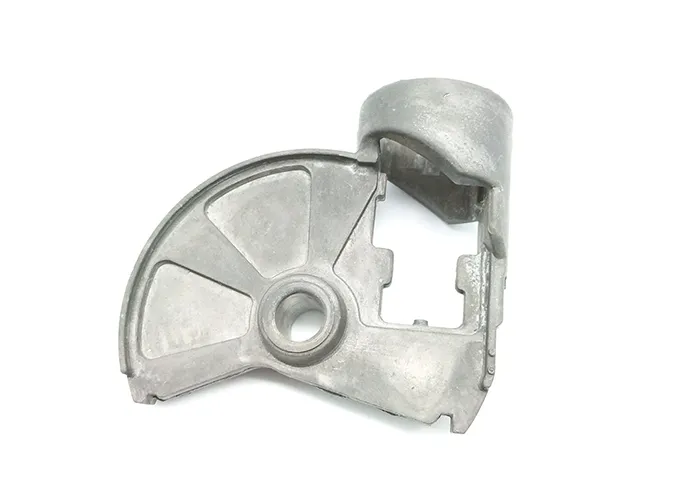
Common Die Casting Car Parts Types
Engine Components: cylinder block, cylinder head, cylinder head cover, crankcase
Transmission System Components: transmission housing, clutch housing, gears
Body and Chassis Components: suspension components such as wheels, steering column, shock tower, etc.
Brake System Components: brake calipers, rotor hats,
Electrical Components: generator housing, starter housing, electric vehicle battery housing
Other Components: air conditioning components such as compressor housing, decorative parts such as door handles and bumper trims, structural parts such as body frame and chassis components
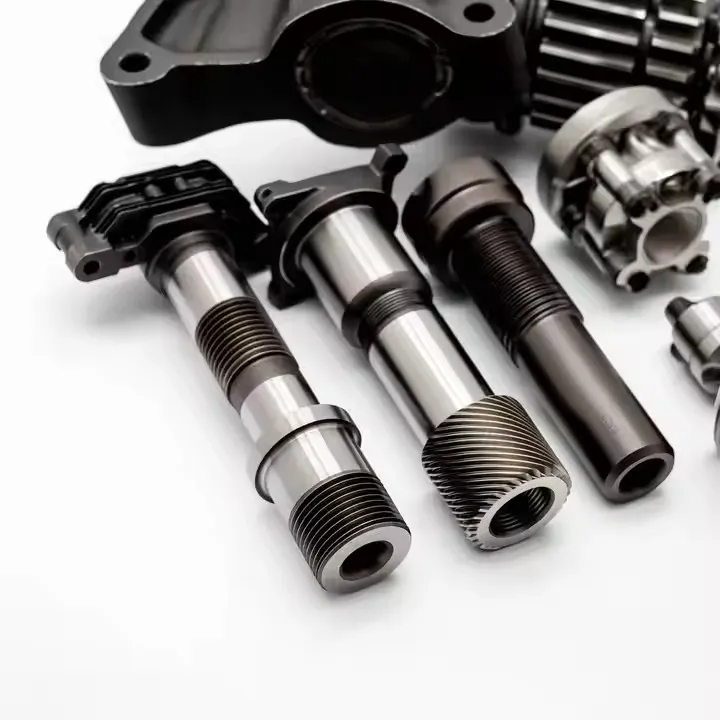
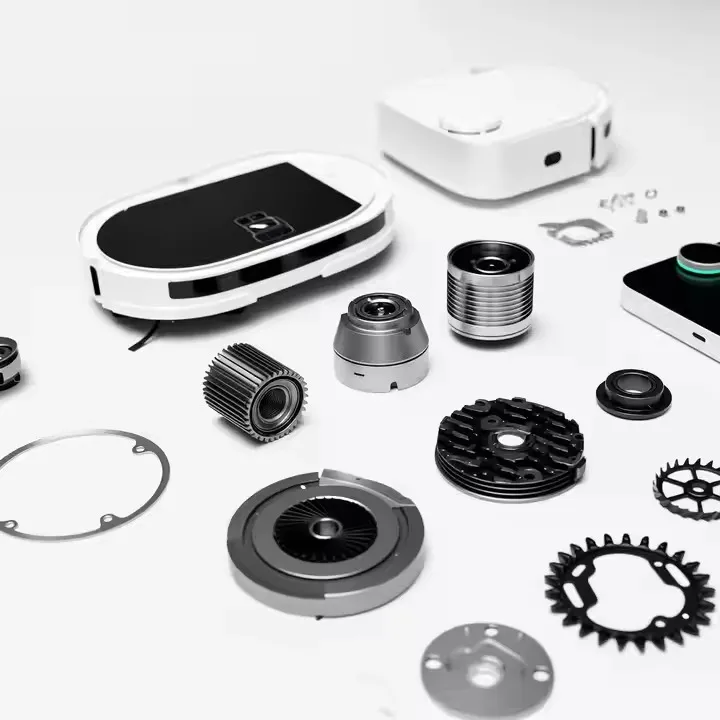
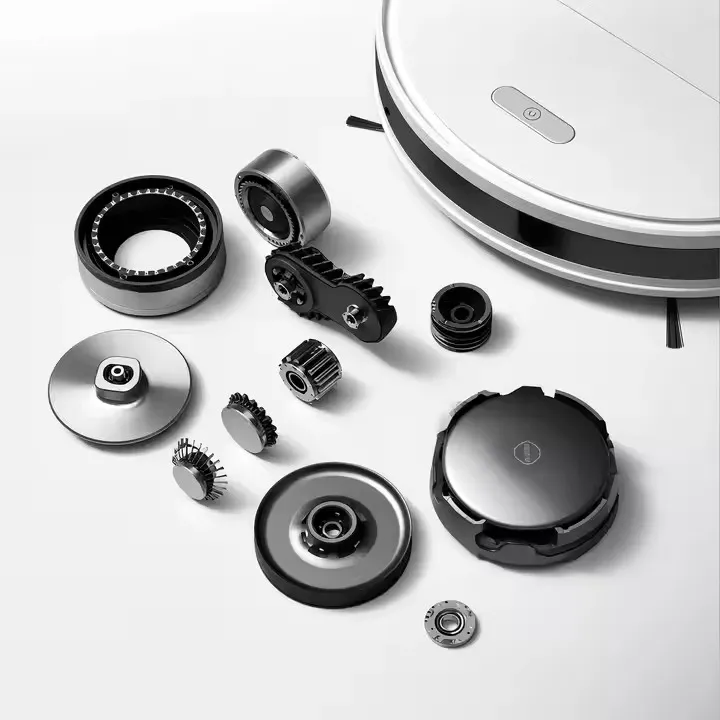
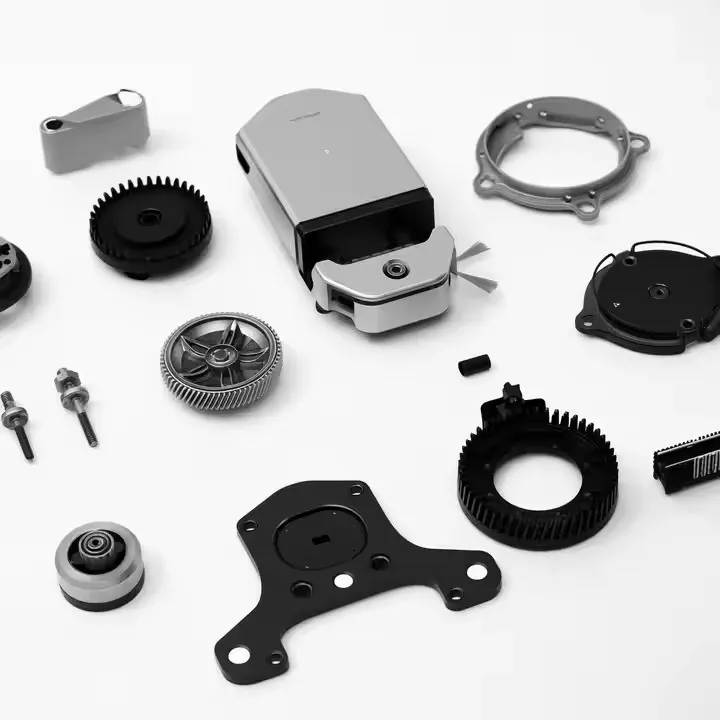
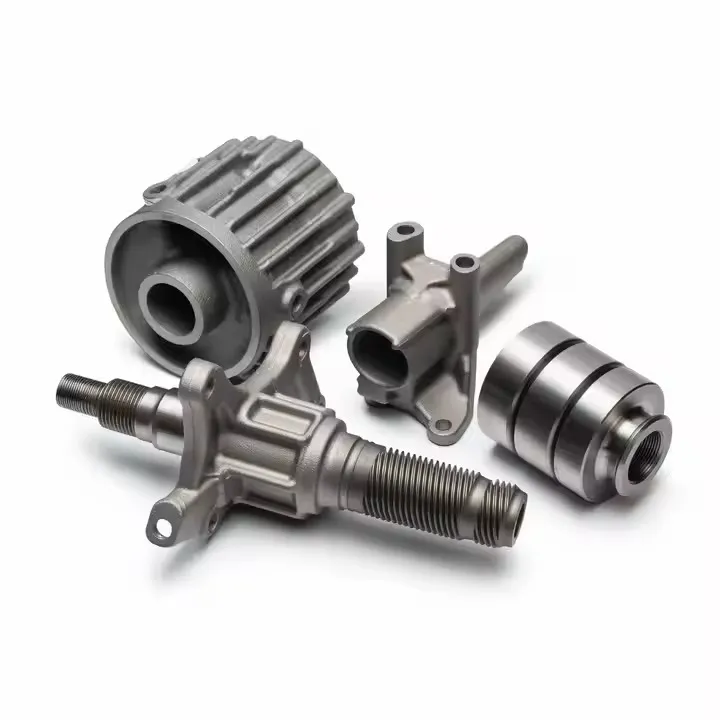
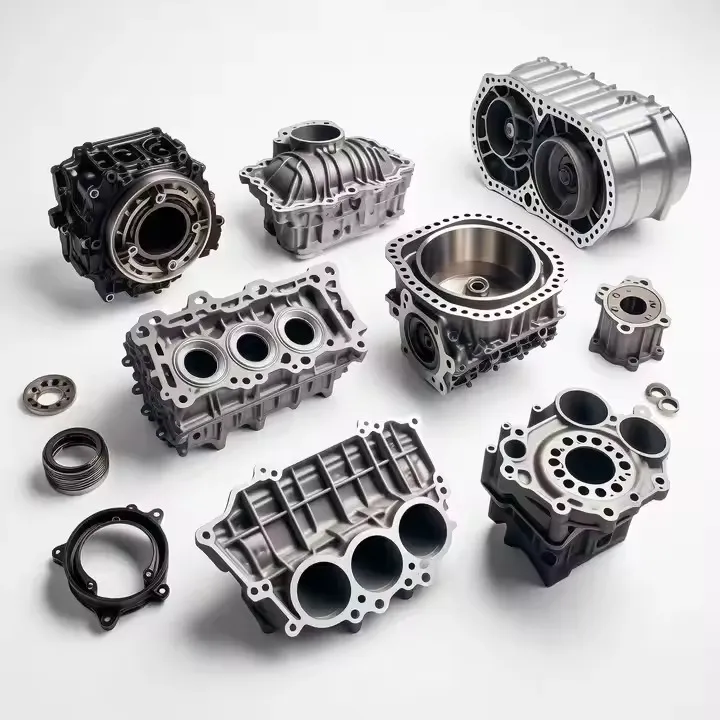
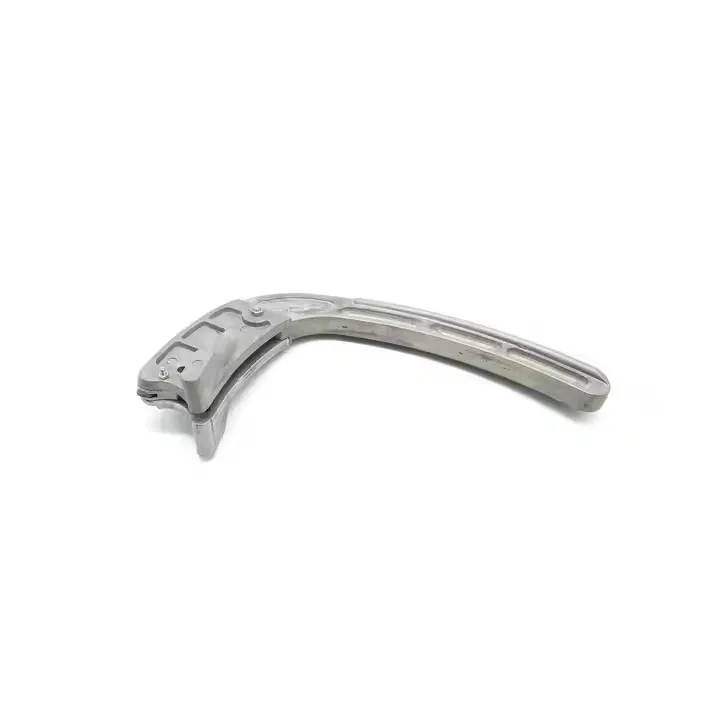
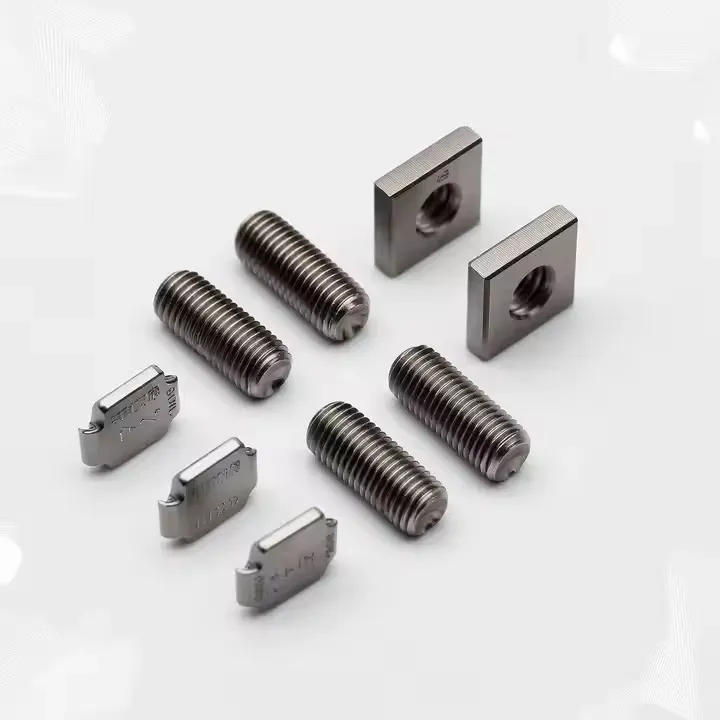
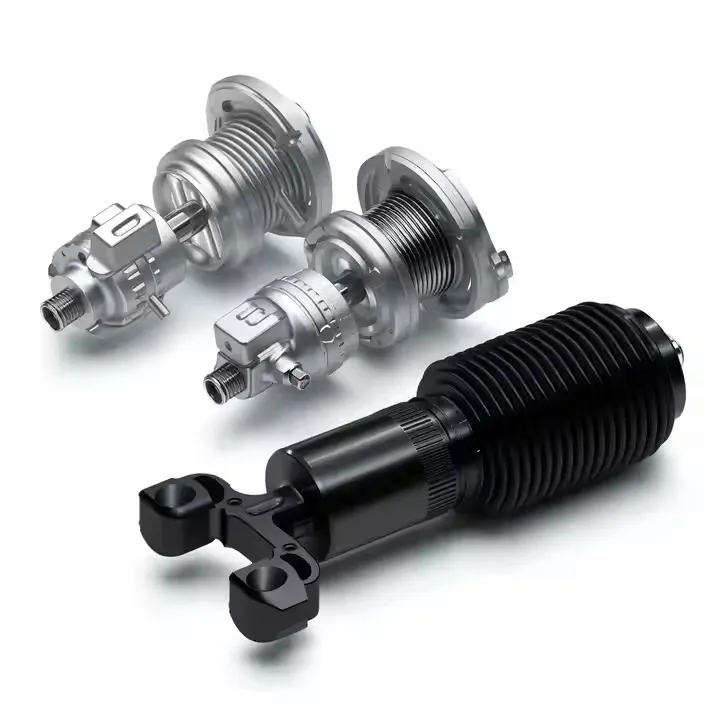
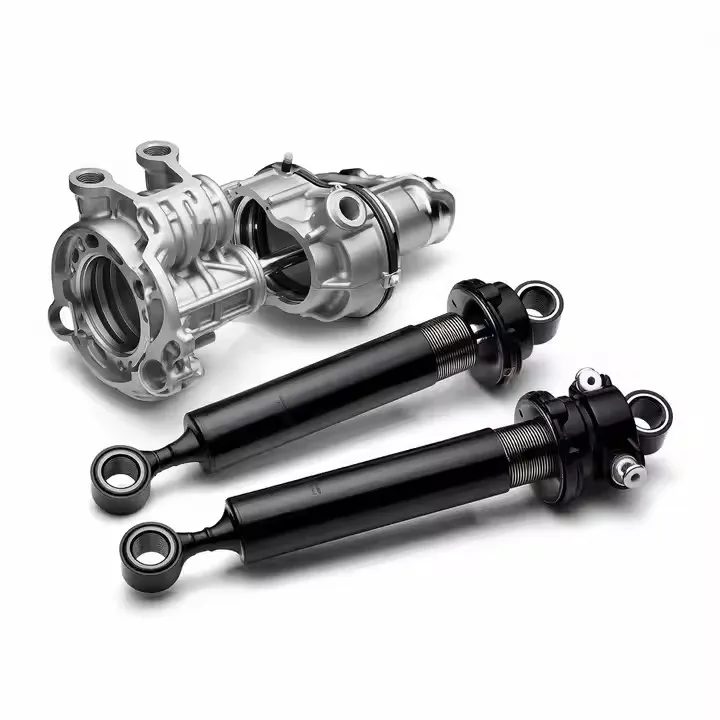
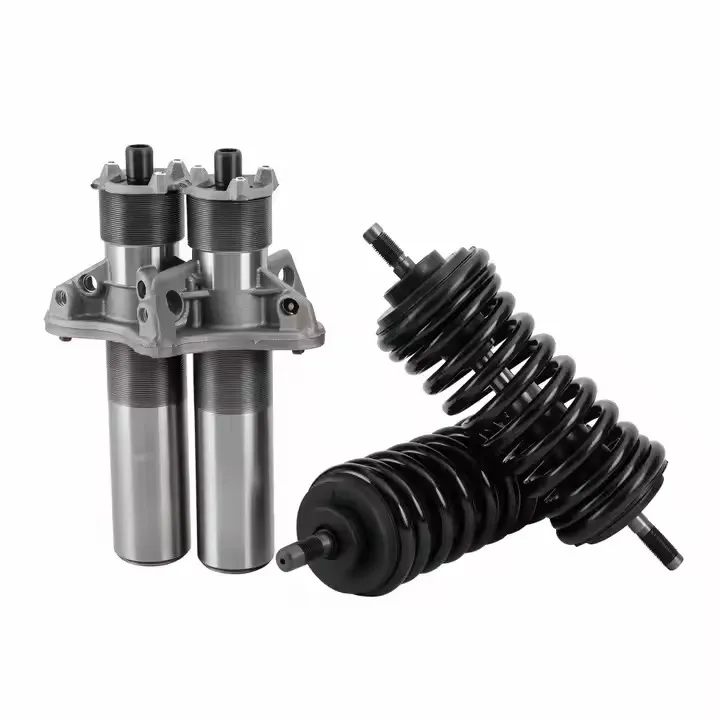
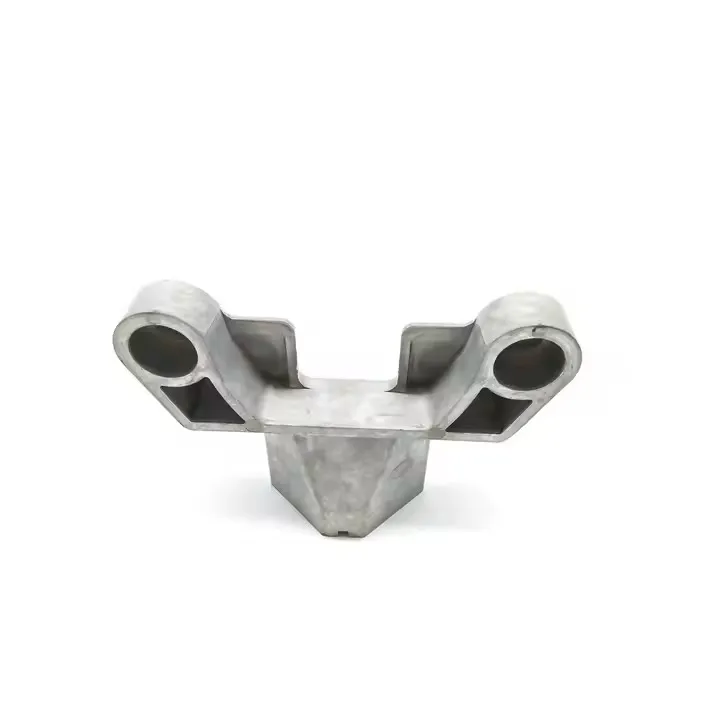
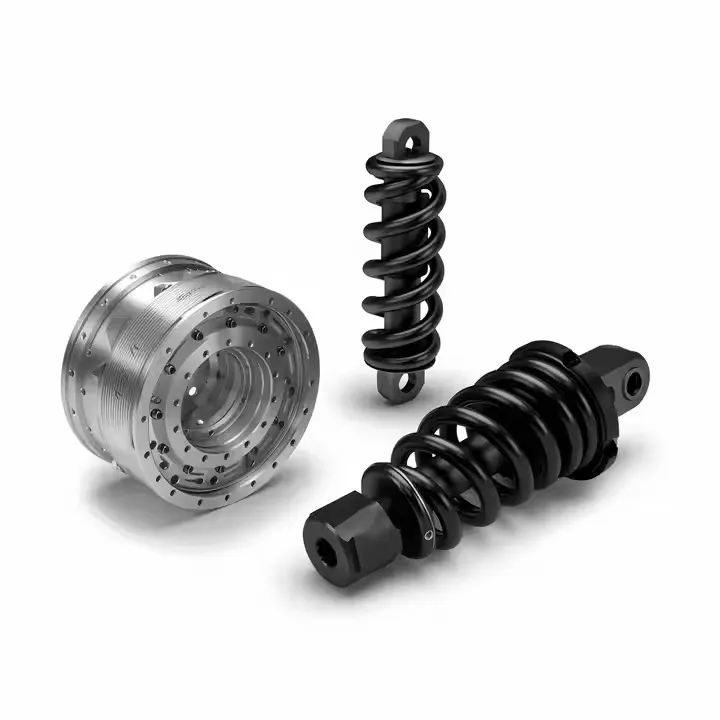
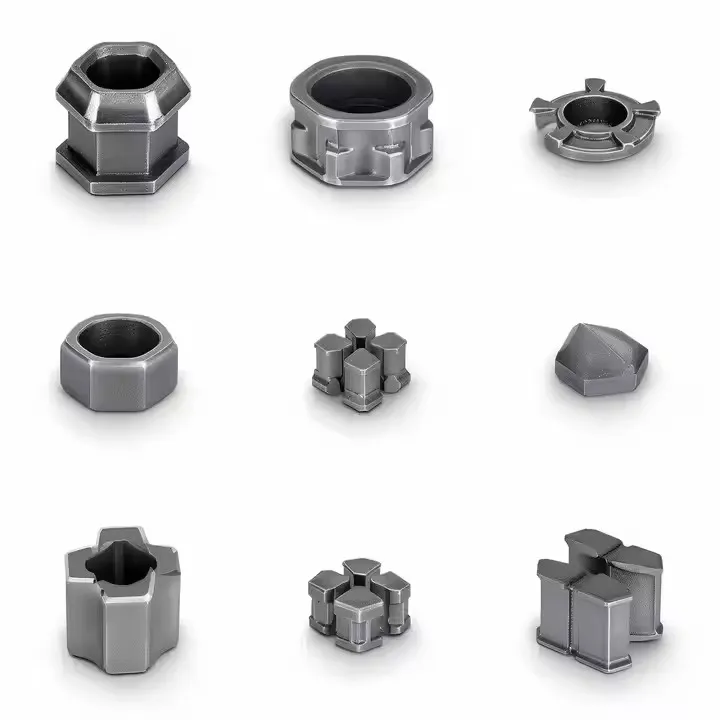
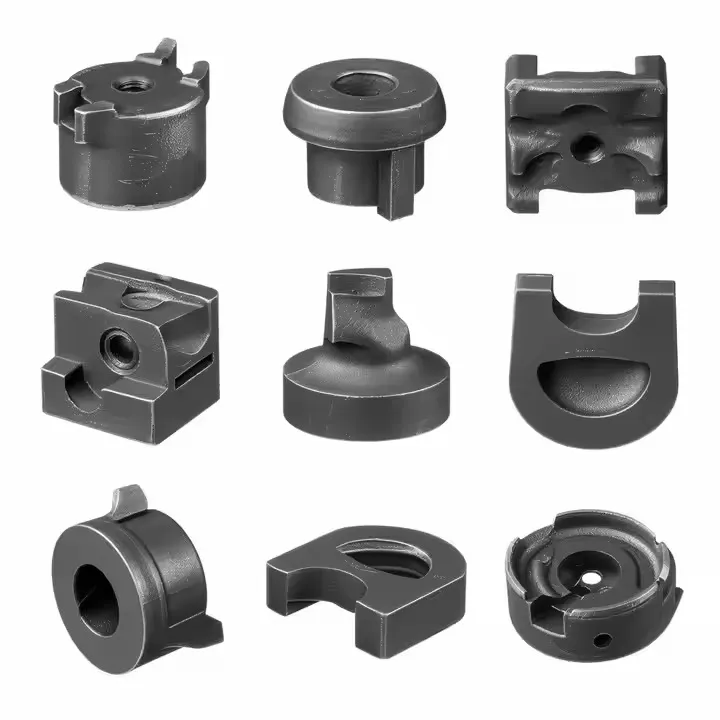
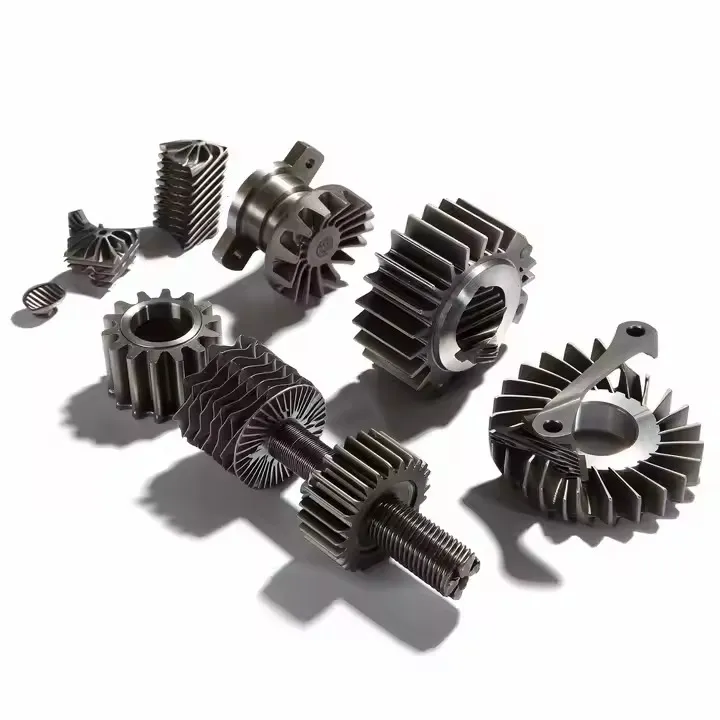
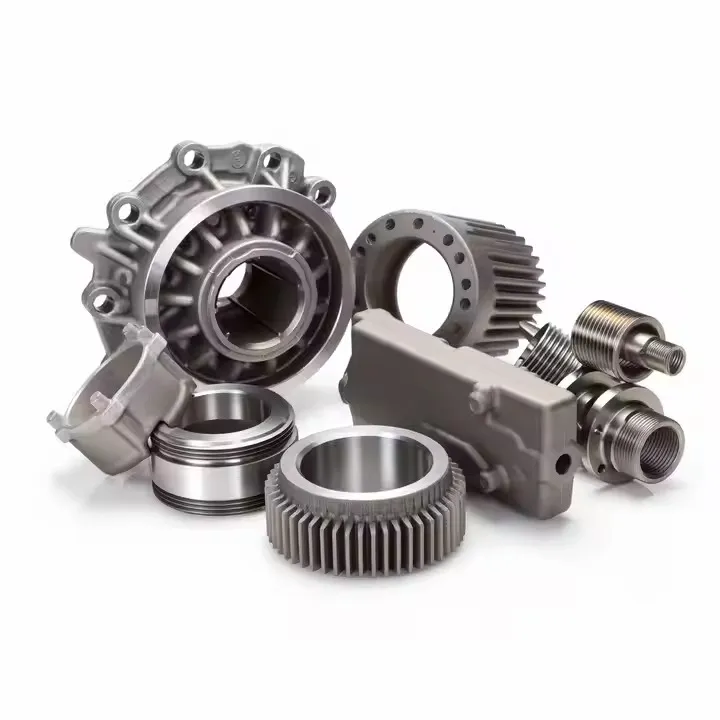
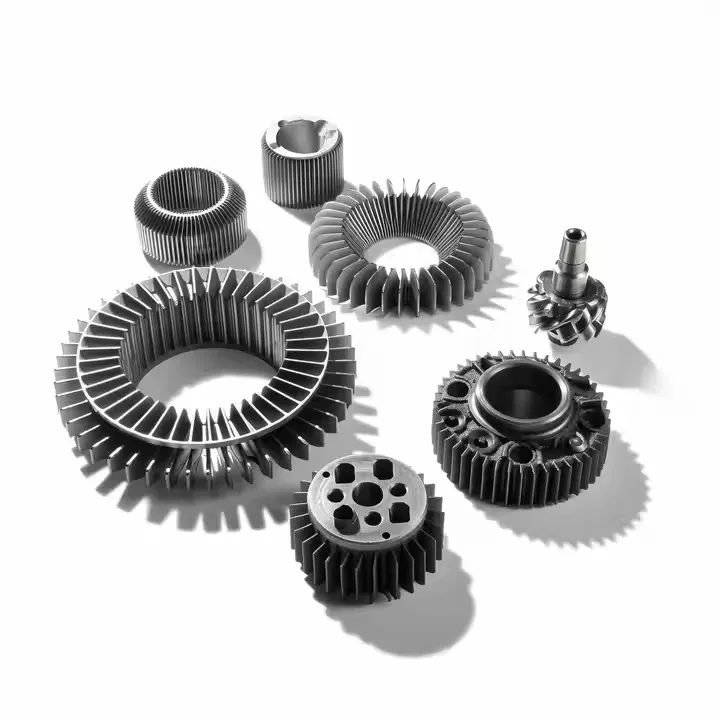
SCOJET Custom Die Casting Car Parts Example


Benefits Of Die Casting In Automotive Industry
Lightweight And Fuel Efficiency: Die casting technology can produce lightweight auto parts such as engine brackets, transmission housings and body structures. Materials such as aluminum and magnesium alloys are widely used in auto parts die casting due to their low density and high strength, which not only reduces the weight of the vehicle, but also improves fuel efficiency and reduces emissions.
Simplify Assembly And Improve Production Efficiency: Auto parts die casting parts are usually molded in one piece, reducing the number of assembly steps and welding points. For example, Tesla Model Y has significantly improved production efficiency by reducing the number of welding points from more than 700 to 50 through die casting technology.
Cost-effectiveness: Although the initial cost of auto parts die casting molds is high, its large-scale production capacity makes it significantly cost-effective in long-term production. Die casting technology reduces material waste, improves material utilization, and reduces labor and equipment requirements. In addition, die castings usually do not require additional surface treatment, further reducing production costs.
High Strength And Durability: Alloy die castings have high strength and durability and can withstand high stress and harsh environmental conditions. This makes them ideal for engine parts, transmission housings and other key structural parts.
Environmental Protection And Sustainability: Die casting technology helps achieve the environmental protection goals of the automotive industry. The recycling rate of aluminum die castings is as high as 90%, which not only reduces resource consumption, but also reduces the impact of waste on the environment.
أنواع المعادن المستخدمة في سباكة قوالب الأجزاء السيارات
الألومنيوم من أكثر المعادن استخدامًا في سبائك الأجزاء المعدنية. يتميز بخفة الوزن والقوة العالية والموصلية الحرارية الجيدة ومقاومة التآكل.
تُستخدم مصبوبات الألمنيوم غالبًا في تصنيع أجزاء المحرك (مثل كتل الأسطوانات، علب المرافق)، غلاف ناقل الحركة، مكونات نظام الفرامل، ألواح الهيكل (مثل الأسقف، غطاء المحرك)، وغلاف الإلكترونيات.
تتميز مصبوبات الألمنيوم المصبوبة في قوالب بدقة أبعاد وتشطيب سطحي عاليين، وهي سهلة إعادة التدوير وتلبي متطلبات حماية البيئة.
زنك يستخدم على نطاق واسع في تصنيع قطع غيار السيارات الصغيرة والمعقدة مثل التروس والموصلات والأغلفة نظرًا لنقطة انصهاره المنخفضة وخصائص الصب الجيدة.
تتمتع مصبوبات الزنك بخصائص ميكانيكية ممتازة وجودة سطح عالية، بالإضافة إلى مقاومة جيدة للتآكل وعمر خدمة طويل. تُمزج سبائك الزنك عادةً مع الألومنيوم أو النحاس لتحسين القوة ومقاومة التآكل.
المغنيسيوم هو من أخف المعادن في صب يموت أجزاء السيارات. لديه قوة عالية، قوة محددة عالية ومقاومة جيدة للتآكل.
غالبًا ما تُستخدم سبائك المغنيسيوم في تصنيع أجزاء المحرك (مثل المكابس) ومكونات نظام ناقل الحركة، وأجزاء الهيكل خفيفة الوزن. تساعد الكثافة المنخفضة لسبائك المغنيسيوم على تقليل وزن السيارة، مما يحسن كفاءة استهلاك الوقود ويقلل الانبعاثات.
Custom Die Casting Auto Parts Process
Step 1: Design
The design phase is the core of the custom die casting auto parts project and determines the functionality and appearance of the final product. First, engineers need to draw precise drawings according to customer requirements and provide basic measurement parameters (such as dimensions, tolerances, and surface texture specifications). CAD software is widely used in the design phase to create accurate models and optimize performance. During the design process, interference analysis and structural analysis are also required to ensure the rationality and feasibility of the mold design. After the design is completed, the customer needs to check and confirm the accuracy of the design.
Step 2: Mold Manufacturing
According to the CAD design file, a metal mold is manufactured to form the shape of the part.
The mold is usually made of high-strength steel and is precision machined to ensure its surface quality and dimensional accuracy.
Mold design includes cavity layout, gate location, exhaust system, etc., which will affect the quality and performance of the final product.
Step 3: Material preparation
Die casting car parts usually use non-ferrous metals such as aluminum, zinc, magnesium, etc. These materials are high-strength, lightweight and corrosion-resistant, which are very suitable for the production of automotive parts.
The material needs to be smelted and purified to remove impurities and gases to ensure the quality of the casting.
Step 4: Die casting process
The automotive parts die casting process is divided into two main types: cold chamber die casting and hot chamber die casting.
Cold chamber die casting is suitable for high melting point metals (such as aluminum alloys, etc.). Its characteristic is that the molten metal needs to be poured from an external furnace into the mold cavity and then injected into the mold under high pressure. The advantages of this process include higher precision and better surface quality, but the production cycle is longer and more manual operations are required. Cold chamber die casting is often used to manufacture large automotive parts with complex shapes, such as engine blocks, frames, etc.
Hot chamber die casting is suitable for low melting point metals (such as zinc alloys, magnesium alloys). Its characteristic is that the molten metal is directly stored in the furnace inside the machine and injected into the mold cavity through a hydraulic piston. The advantages of this process are fast production speed, short cycle, and suitable for mass production. Hot chamber die casting is often used to manufacture small automotive parts such as gears, brackets and decorative parts.
Step 5: Cooling and Demolding
After the die casting is completed, the mold is closed and kept for a certain period of time to allow the metal to cool and solidify. The cooling time depends on the type of metal and the mold design.
After cooling is complete, the mold opens and the casting is removed. The casting may require further post-processing to achieve the final surface quality and dimensional accuracy.
Step 6: Post-processing
Die castings often require machining or surface treatment to meet specific functional requirements. For example, deburring, grinding the surface or coating. High-precision laser cutting technology can also be used for further processing of customized die castings.
Step 7: Quality Control
Quality control is an indispensable link in the entire production process. Manufacturers need to strictly test mold design, production parameters and finished products to ensure that die casting car parts meet customer requirements and industry standards.