Spanish
  English
  Arabic
  French
  German
  Italian
  Russian
 Custom Extrusion Molding Service Company
Formas y aplicaciones de extrusión de plástico a medida
Formas de extrusión de plástico
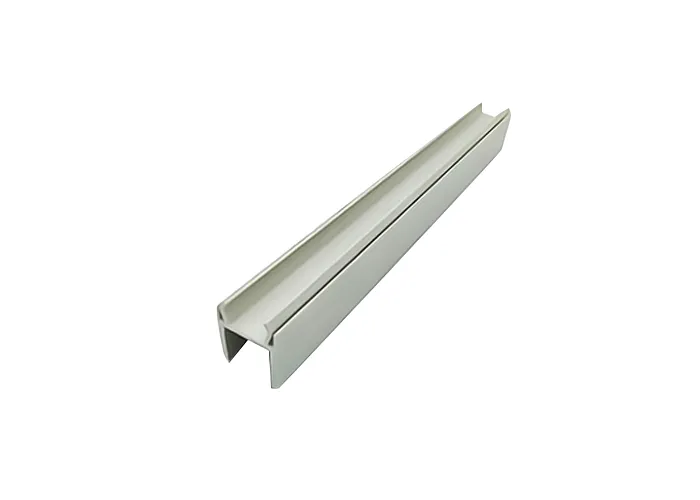
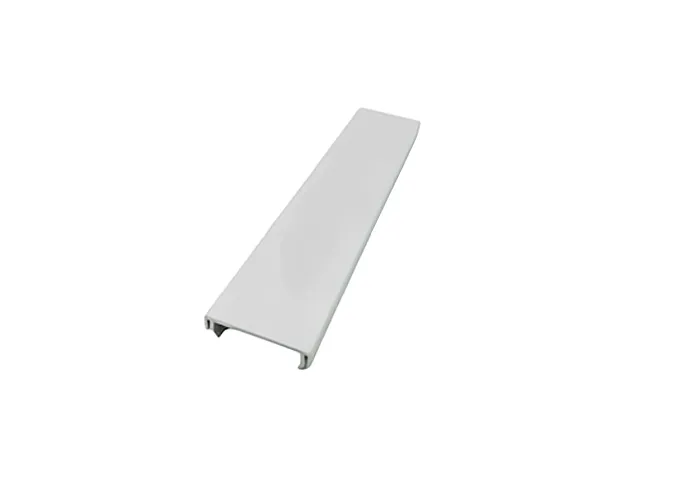
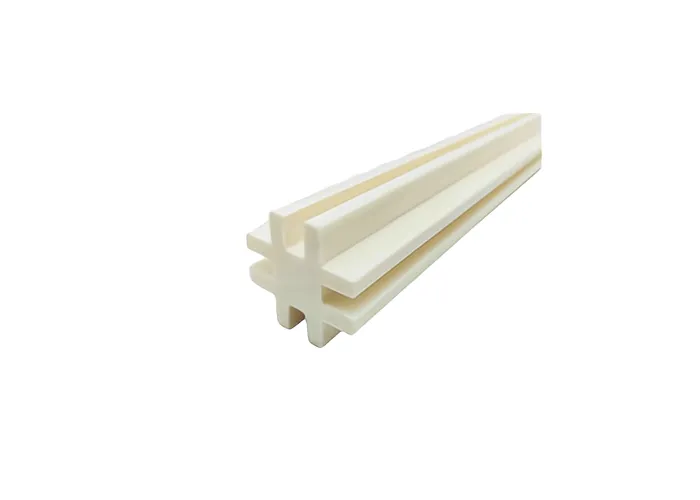
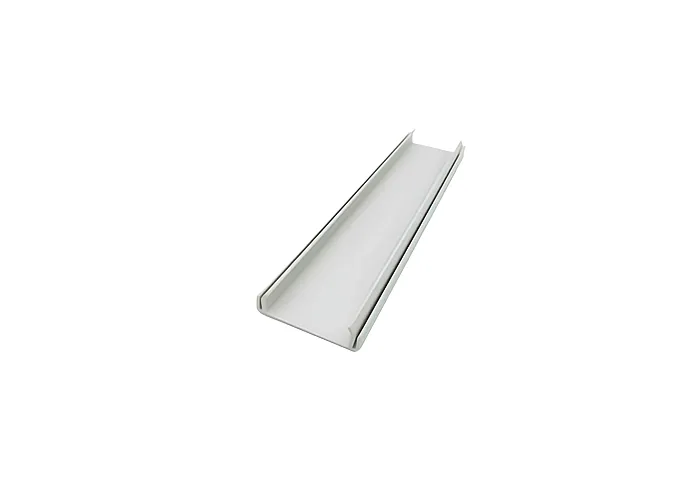
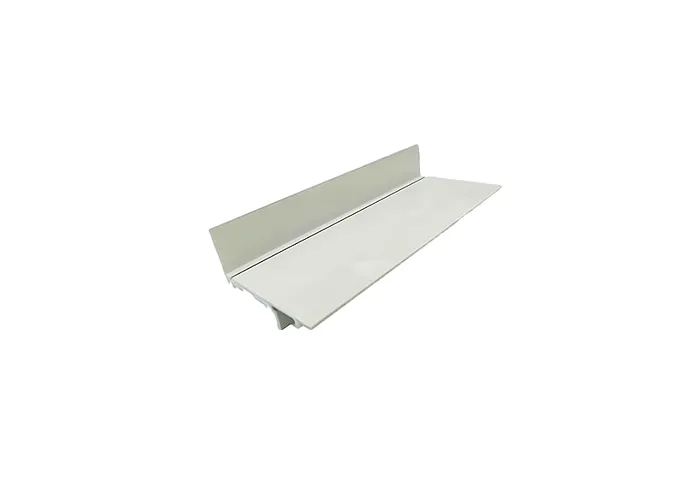
Plastic Extrusion Moulding processes can create a wide range of open and closed shapes, depending on the specific requirements. The most commonly used shapes include simple annular or square profiles, which are often employed in tube and piping applications. These profiles are typically designed to meet industry standards to ensure compatibility with fittings and other components. Scojet’s plastic extrusion service can manufacture enclosed profiles with up to four lumens, allowing designers to subdivide the internal space as needed. Open shapes such as U, J, or L channels and custom profiles can also be created to accommodate specific design configurations. As a custom plastic extrusions manufacturer, Scojet can surely meet your needs.
Aplicaciones de extrusión de plásticos
Extrusion of plastics is extensively utilized across various industries to produce extruded plastic products and components for a wide range of systems. Below are some common applications for custom plastic extrusions, although designers can apply them for various general purposes.
Conductos eléctricos
Plastic channels, known as conduits, are employed to protect wires and transmission lines, offering insulation and safeguarding these components from damage. Conduits are used in residential homes, commercial buildings, and industrial facilities, and plastic conduit is particularly effective at preventing short-circuiting compared to traditional extruding metal conduits.
Tuberías anticorrosivas
Una de las aplicaciones más frecuentes de la extrusión de plástico en la industria es la producción de tuberías para el transporte de agua, residuos y otros líquidos. A diferencia de sus homólogos de cobre, hierro fundido y acero, las tuberías de plástico son resistentes a la corrosión cuando se exponen a productos químicos o al agua, lo que las convierte en una mejora significativa en los sistemas de fontanería y riego.
Burletes y molduras
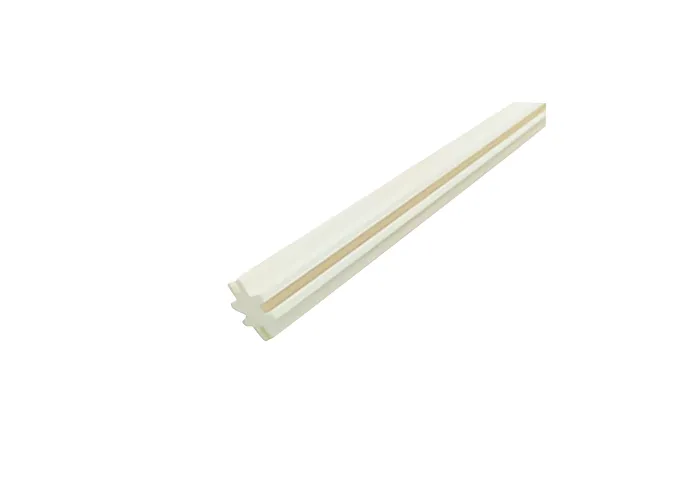
Extrusion for plastic takes the form of weather stripping, outer housing shingles, and various specialty cross sections and shapes. Plastic extruded trim serves to protect against sharp edges that could cause damage and is commonly used in consumer products, automotive applications, and industrial settings.
Ejemplos de extrusiones de plástico a medida
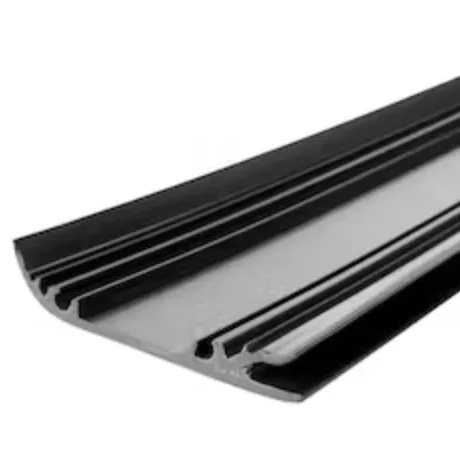
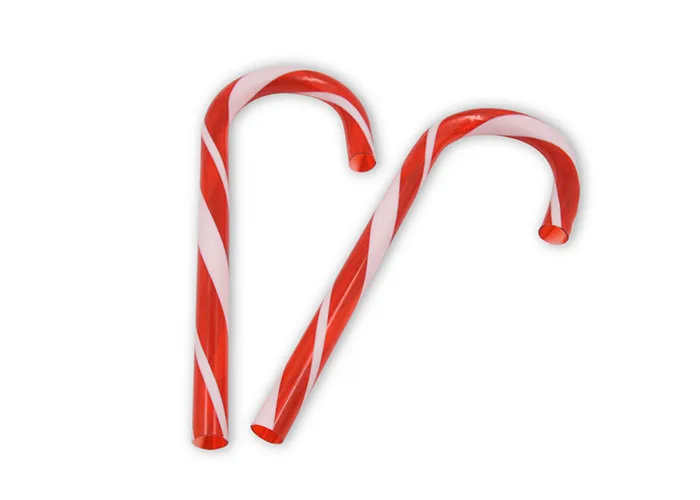
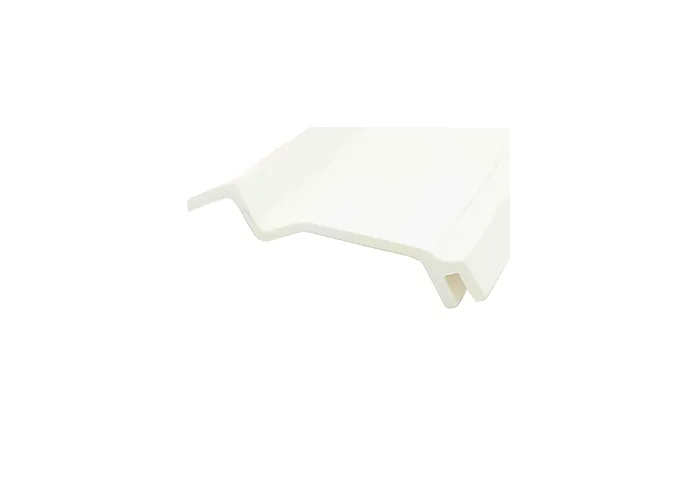
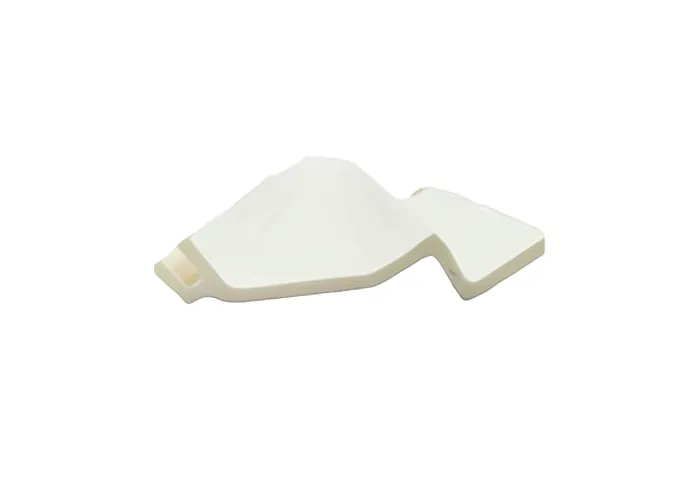
Embellecedor a medida

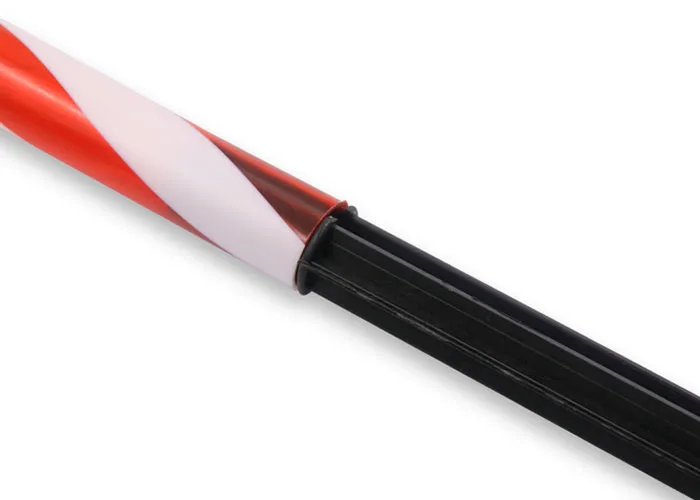
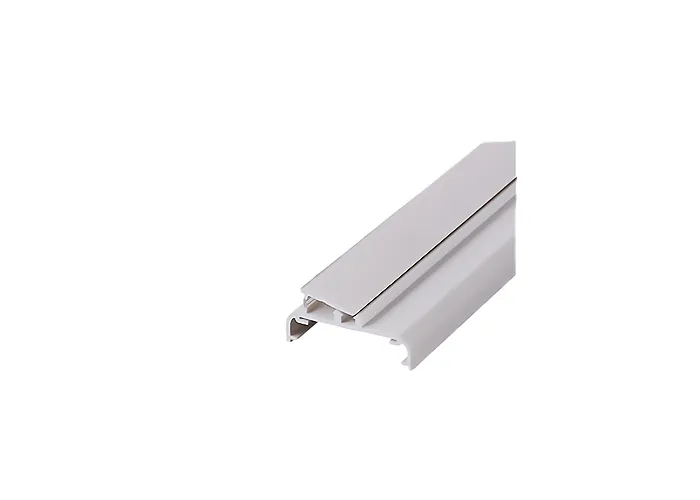
Banda protectora
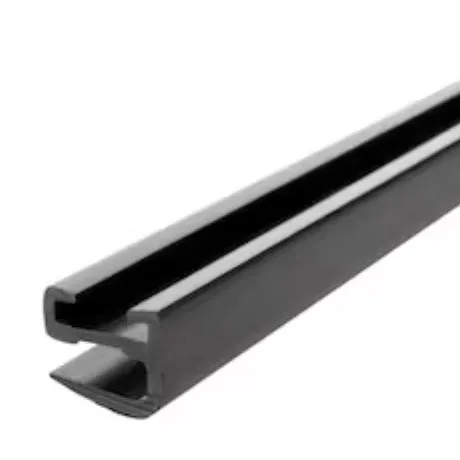
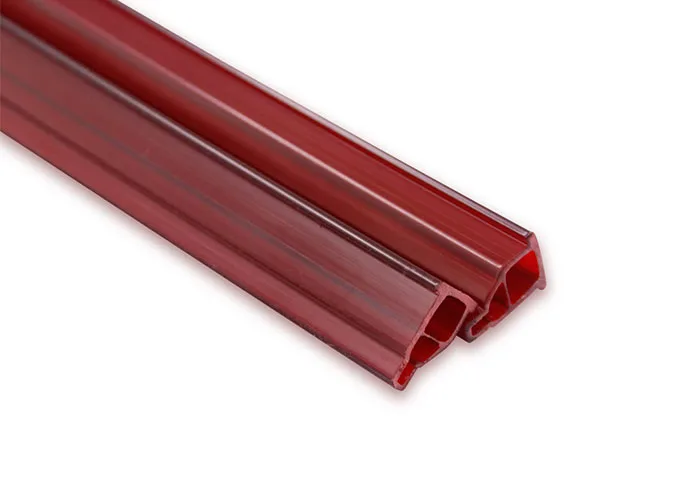
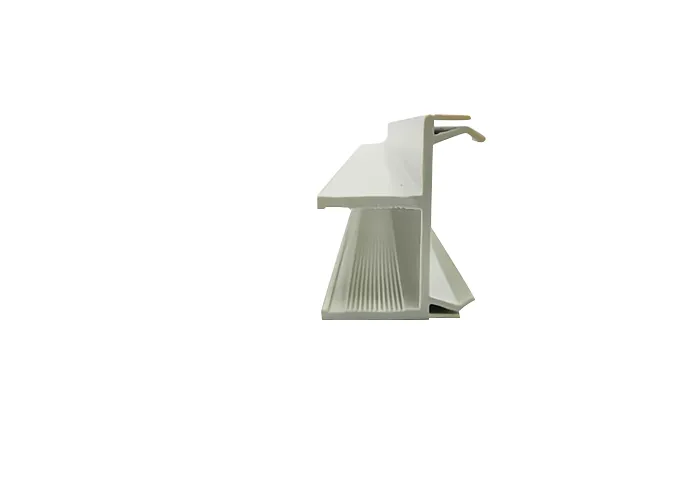
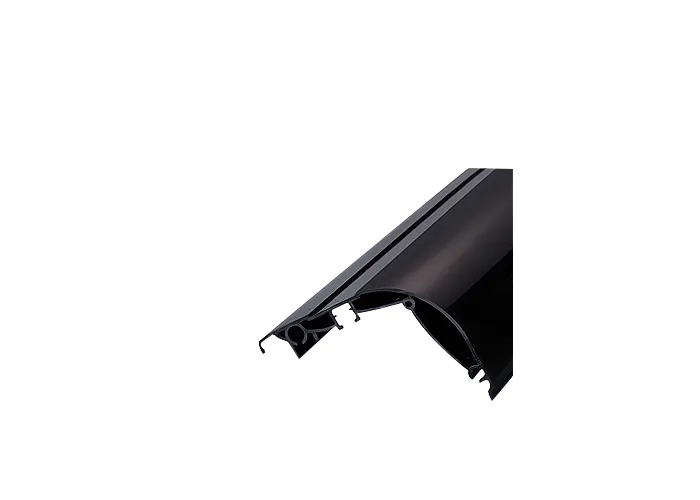
Sellos medioambientales
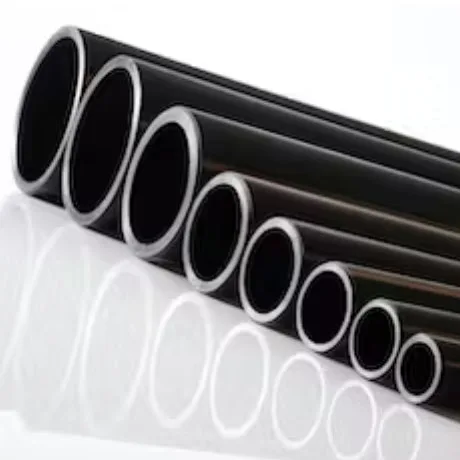
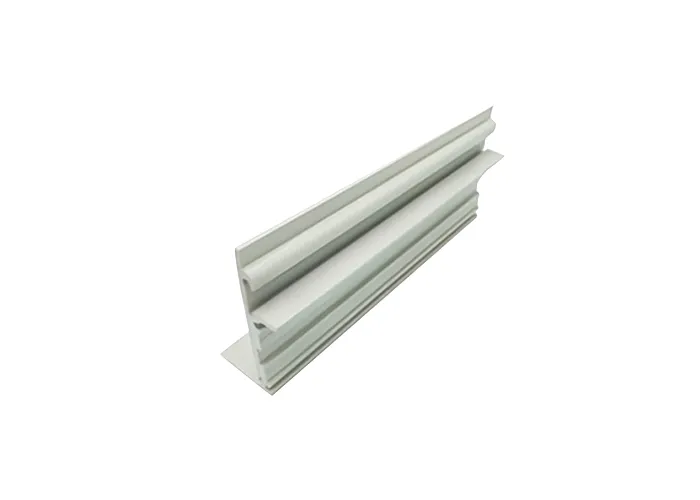
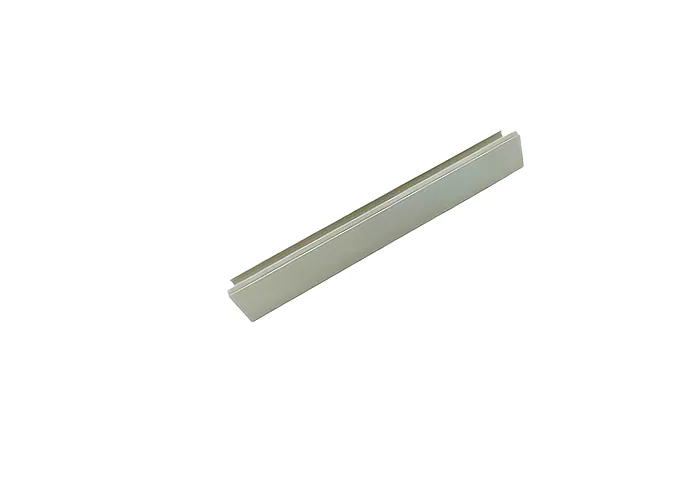
Tubos no estándar
Materiales de extrusión de plástico
Here is a list of materials offered by Scojet for creating custom plastic extrusions. If you don’t find your desired plastic on this list, please reach out to us through our manual quoting process when placing an order, and we can assist you in locating and fabricating it. Scojet is a plastic extrusion company which offer plastic extrusion services to our customers.
LDPE is a commonly used material for crafting custom plastic tube extrusion. It is known for its strength, cost-effectiveness, translucency, and general resistance to chemicals. While not suitable for applications involving flammability or exposure to harsh weather conditions, LDPE is a popular choice for small-diameter flexible extrusions that need to be FDA-compliant, such as food processing tubing.
El polietileno reticulado, o PEX, es un material muy utilizado en aplicaciones de tuberías, a menudo en lugar de otros tipos de polietileno. El PEX es básicamente una forma extruida de polietileno de alta densidad reticulado, que ofrece una mayor resistencia al calor y a los productos químicos que otros polietilenos. Sigue siendo fácil de trabajar y soldar, y es una alternativa rentable al cobre para las tuberías de agua domésticas. El PEX se utiliza habitualmente en fontanería y sistemas de transporte de agua, incluidos sistemas de calefacción y líneas de rociadores.
TPE combines the elasticity of rubber with the workability of thermoplastics, offering a unique alternative to latex, silicone rubber, and other thermosetting elastomers. Extruded TPE is heat and oil-resistant within working temperatures, accepts colorants, and is available in various hardness levels for both flexible and rigid applications. It is typically used to create handles for exercise equipment, medical seals, and other flexible products. Thermoplastic extrusion is also one of our service available.
PVC is a strong, lightweight, workable, and cost-effective material, making it highly popular for general-purpose applications. Extruded PVC tubes can be found in nearly every household, many pvc extrusion manufacturers often use them for various plumbing applications, both indoors and outdoors. Different types of PVC, such as CPVC, PVC-U, PVC-O, are formulated for specific working conditions and are in constant demand in construction, structural, and high-volume applications. Scojet can do what pvc extrusion companies do, we are a pvc extrusion supplier .Find your best pvc extrusion parts here.
ABS is a common choice for various plastic parts, thanks to its blend of aesthetics, strength, and wide availability. Extruded ABS is ideal for decorative trim on appliances, equipment, and pipes used for water and waste. It is also used in extrusion manufacturing steps for various production needs, allowing designers to start from a consistent existing profile.
El poliestireno es un material económico, aislante y fácil de trabajar. El poliestireno extruido, a veces denominado XPS, tiene mayor resistencia mecánica que el poliestireno expandido, lo que lo convierte en un producto de espuma más rígido. Entre sus aplicaciones más comunes se encuentran el aislamiento de techos, la refrigeración, el modelismo, las manualidades, etc.
Polypropylene extrusion shares similarities with polyethylene extrusion but is lower in cost and has a higher temperature tolerance. It is known for its durability, and plastic hinges on shampoo bottle caps are often made from PP. PP extrusions are commonly used in automotive tubing, toy parts, food-grade tubing, and more, and can be easily customized for translucent, opaque, and multi-colored designs.
Polycarbonate, or PC, offers excellent impact and temperature resistance while remaining cost-effective. Its dimensional stability and transparency make it highly suitable for impact-resistant windows, reusable bottles, electrical components, personal protective equipment, rigid plastic extrusion profiles, and various other applications. Polycarbonate extrusion service can be found in Scojet, we provide lots of plastic extrusion service for our customers.
scojet Plastic Surface Treatment
| Tipo de material | Material Específico | Tratamiento de superficies | Características Técnicas |
| General Plastics | Polyethylene (PE) | Plasma Treatment | Improves adhesion strength (up to 10x), suitable for films, pipes, and packaging materials. |
| Polipropileno (PP) | Chromic Acid Etching | Significantly enhances polarity (adhesion strength increases by 600x), suitable for transparent products and pipes. | |
| Polyvinyl chloride (PVC) | Spraying | Rich color options, supports complex structures, but has higher cost. | |
| Polystyrene (PS) | IMD (In-Mold Decoration) | Embedded graphics and text, wear-resistant, suitable for automotive light covers and other transparent components. | |
| ABS | Electroplating | Provides metallic texture, requires pre-treatment (e.g., chromic acid etching), ensures strong coating adhesion. | |
| Engineering Plastics | Polyamide (PA, nylon) | Chemical Etching | Enhances surface polarity, suitable for automotive parts and textile fibers. |
| Policarbonato (PC) | UV Curing Coating | Improves surface hardness and weather resistance, used in optical components (e.g., automotive light covers). | |
| Polyoxymethylene (POM) | Laser Engraving | High-precision marking, environmentally friendly, suitable for gears, bearings, and other precision parts. | |
| Special Engineering Plastics | Polyphenylene sulfide (PPS) | Sodium Naphthenate Etching | Enhances adhesion performance (up to 10x improvement), suitable for high-temperature electronic components. |
| Polyetheretherketone (PEEK) | Plasma Etching | Improves surface energy, used for biomedical materials and aerospace components. | |
| Modified Plastics | Chlorinated polypropylene (MCPP | Flame Treatment (AtmaP Technology) | Grafting coupling agents enhance adhesion, suitable for coating and bonding applications. |
| Film-Type Plastics | LDPE/LLDPE/HDPE | Corona Treatment | Increases surface tension, improves printability, but with limited effectiveness. |
Ventajas y desventajas de la extrusión
Ventajas de la extrusión de plásticos
Precisión dimensional y estabilidad
Los modernos procesos de extrusión utilizan equipos y técnicas avanzados para producir formas extruidas con gran precisión dimensional y estabilidad. Este método es adecuado para una amplia gama de materiales, incluidos los rígidos, maleables y elastoméricos.
Bajo coste de las piezas
Con un diseño bien pensado, los bastidores y carcasas extruidos tienen el potencial de sustituir a los conjuntos de varias piezas, reduciendo los costes generales de producción. Además, los volúmenes de producción elevados son fácilmente alcanzables y rentables.
Menor coste de utillaje
La sencillez del proceso de extrusión se traduce en unos costes de utillaje significativamente inferiores, normalmente 80-90% menos que procesos como el moldeo por inyección.
Complejidad de las piezas
La extrusión es idónea para crear piezas con formas de sección transversal complejas, incluidos elementos como rebajes, ranuras en T, canales interiores y ranuras.
Desventajas de la extrusión de plásticos
Coste de instalación inicial
Además del coste por pieza de las extrusiones, hay gastos asociados a la creación de las herramientas necesarias, las líneas de producción y el cumplimiento de los mínimos de material.
Limitaciones de diseño
Aunque este proceso permite crear perfiles complejos, puede imponer restricciones a la libertad de diseño. La sección transversal de la extrusión debe permanecer constante, lo que dificulta la incorporación de elementos como orificios avellanados, cavidades o resaltes. Estas características pueden requerir pasos adicionales posteriores al mecanizado.
Plazos de entrega
El número de fabricantes de extrusión es limitado debido a los importantes requisitos de maquinaria e instalaciones asociados al proceso. Además, los plazos de producción y perfeccionamiento de las matrices pueden prolongarse durante varias semanas. En consecuencia, los plazos de entrega de las primeras piezas suelen oscilar entre 4 y 6 semanas.
Galería de piezas de moldeo por extrusión