
 French
  English
  Arabic
  German
  Italian
  Russian
  Spanish
 Introduction
Injection molds are indispensable tools in the plastics industry, directly impacting product quality, precision, and consistency. Proper mold maintenance and management not only extend the lifespan of molds but also reduce downtime, improve production efficiency, and lower long-term costs.
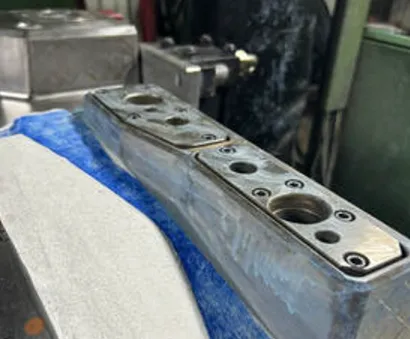
However, many manufacturers tend to overlook the importance of mold care, leading to production disruptions and unnecessary repair expenses. Mastering scientific methods for mold maintenance and management is crucial for ensuring production stability and economic efficiency.
The Importance of Mold Maintenance
Neglecting mold maintenance can result in significant production losses, including decreased product quality and costly unplanned downtime. Regular maintenance ensures that molds maintain optimal performance over multiple production cycles.

Well-maintained and clean molds help ensure product consistency and prevent common defects such as flash, incomplete fills, or sink marks. Additionally, preventive maintenance effectively reduces the need for costly overhauls or replacements, enabling manufacturers to achieve higher productivity and profitability.
Mold Maintenance
Mold maintenance can be categorized into preventive and corrective approaches. Preventive maintenance involves proactive measures to avoid issues, such as cleaning mold cavities, inspecting cooling channels, and lubricating moving parts.

This method is cost-effective and minimizes the likelihood of sudden failures. In contrast, corrective maintenance addresses mold damage or faults after they occur, such as repairing worn mold surfaces or realigning ejector pins.
Key Steps for Effective Mold Maintenance
Effective mold maintenance requires a systematic approach and scientific management. The first step is regular inspection of mold conditions, including visual checks for wear on cavities and cores, as well as functional tests to ensure ejector pins and cooling systems operate smoothly.
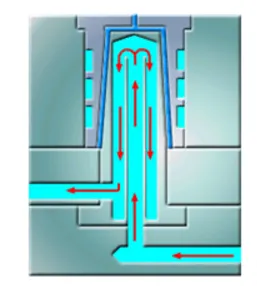
Cleaning is another critical aspect of maintenance. After each production cycle, non-corrosive cleaning agents should be used to remove residues from mold surfaces and cavities, preventing buildup that could impair performance.

Additionally, lubricating all moving parts reduces friction and wear, extending mold life. Finally, damaged components, such as cooling inserts or ejector pins, should be replaced promptly to ensure continuous functionality.
Common Mold Issues and Solutions
Molds may encounter various issues during daily production, with surface wear and corrosion being the most common. Prolonged use or processing abrasive materials can lead to surface damage, which can be mitigated by using hardened steel molds or applying treatments like nitriding.
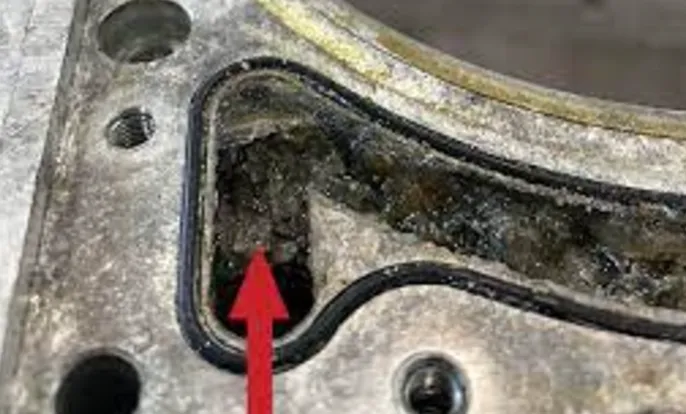
Corrosion often occurs in high-humidity environments or when working with corrosive materials. This can be prevented by applying anti-rust agents and storing molds in dry conditions. Other frequent problems include clogged cooling channels and stuck ejector pins. The former reduces cooling efficiency and extends cycle times, while the latter may damage products or disrupt production. Regular cleaning of cooling channels and lubrication of ejector pins are effective preventive measures.
Mold Storage and Long-Term Protection

Proper storage methods ensure that molds remain in optimal condition when not in use. Molds should be stored in temperature-controlled and dry environments to prevent rust. Before storage, applying a layer of anti-rust agent and using moisture-resistant packaging can enhance protection. These measures significantly extend the idle lifespan of molds and reduce future maintenance demands.
Conclusion
Injection mold maintenance and management are not only essential for ensuring production efficiency but also critical for reducing operational costs.
Through regular preventive maintenance, timely problem resolution, and the adoption of advanced technologies, manufacturers can significantly extend mold lifespans, minimize downtime, and maintain consistent product quality.
Scojet is a specialit in moulage par injection, if you are looking for high quality injection molds, contact us and we will respond you as soon as possible!




