
 French
  English
  Arabic
  German
  Italian
  Russian
  Spanish
 Moulage sous pression is a crucial manufacturing process for producing metal parts with complex geometries, high precision, and excellent surface finishes. However, the process has various defects can occur, affecting the quality and performance of the final product. Understanding these defects, their causes, and effective solutions is vital for maintaining high production standards and minimizing waste. This article explores the most common die casting defects, their causes, in-depth analysis, and advanced solutions to mitigate these issues.
Porosity

Cause
Porosity refers to small voids or cavities within the casting, which can weaken the part and affect its appearance. This defect arises from trapped gases, shrinkage during solidification, or turbulence during the metal flow.
- Gas Porosity: Entrapped air or gas during the filling process often leads to bubbles within the casting. Poor venting, excessive lubricant use, or improper gating design can exacerbate this issue.
- Shrinkage Porosity: Occurs when the metal contracts during solidification, leading to internal voids. This is often due to improper cooling rates or inadequate metal feed.
Solutions
- Enhanced Mold Venting: Redesign mold vents and vacuum systems to improve air escape, reducing the risk of gas porosity.
- Controlled Cooling and Solidification: Use controlled cooling methods, like regulated water cooling channels, to promote uniform solidification and minimize shrinkage porosity.
Cold Shut

Cause
Cold shuts occur when two streams of molten metal do not fuse properly, resulting in a visible line or weak seam in the casting. Low fluidity, insufficient mold temperatures, or slow injection speeds primarily cause this defect.
- Low Metal Temperature: When the metal is not hot enough, it begins to solidify prematurely, leading to incomplete fusion.
- Poor Gating Design: Gating systems that do not facilitate smooth metal flow contribute to cold shuts by causing interrupted metal streams.
Solutions
- Optimize Metal Fluidity: Increase metal temperature and adjust mold pre-heating to ensure the metal remains fluid during injection.
- Modify Gating Systems: Use simulation software to analyze flow dynamics and redesign gating systems to promote smooth, uninterrupted metal flow.
- Increase Injection Pressure: Fine-tune injection speeds and pressures to enhance metal flow and prevent early solidification.
Flash
Cause
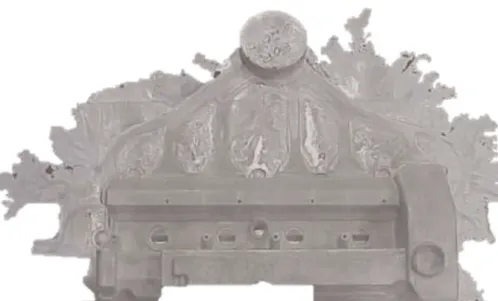
Flash is excess material that appears on the part’s surface, usually along the parting line or around ejector pins. It occurs when molten metal escapes from the cavity due to excessive pressure or poorly fitting molds.
- Excessive Injection Pressure: High pressures push molten metal into gaps between mold halves, resulting in flash.
- Mold Wear and Tear: Over time, molds wear out, creating small gaps that allow the metal to seep through.
Solutions
- Regular Mold Maintenance: Implement a routine mold maintenance schedule to inspect and repair worn surfaces, ensuring a tight seal.
- Adjust Clamping Force: Ensure that molds are adequately clamped together during the injection process to prevent metal leakage.
- Optimize Injection Parameters: Fine-tune injection pressure and speed settings to balance metal flow without causing flash.
Hot Cracking

Cause
Hot or thermal cracking happens when the casting cools unevenly, creating internal stresses that lead to fractures. This defect is particularly prevalent in alloys with poor thermal properties or when cooling rates are not well-controlled.
- Differential Cooling: Uneven cooling rates cause varying contraction rates, leading to tensile stresses and cracking.
- Alloy Composition: Alloys with low ductility or high susceptibility to thermal stresses are more prone to hot cracking.
Solutions
- Controlled Cooling Methods: Use controlled cooling techniques like staged cooling or heat treatment to relieve internal stresses and reduce cracking.
- Optimize Alloy Selection: Choose alloys with better thermal stability and lower susceptibility to cracking, or modify the alloy composition to enhance ductility.
- Mold Design Adjustments: Incorporate stress-relieving features such as rounded corners and smooth transitions in the mold design.
Misruns

Cause
Misruns occur when the molten metal does not completely fill the mold cavity, resulting in incomplete parts. This can be caused by low metal temperature, insufficient pouring speed, or poor gating design.
- Insufficient Metal Flow: Low temperatures and slow injection speeds cause the metal to solidify before completely filling the mold.
- Poor Gating Systems: Incorrectly designed gating and runner systems can create obstacles in the metal flow path, leading to incomplete fills.
Solutions
Gating Design Optimization: Use computational flow analysis to optimize gating design and ensure smooth, uninterrupted metal flow.
Temperature Control: Maintain optimal temperatures for both metal and molds to ensure fluidity and complete cavity fill.
Increase Pouring Speed: Adjust pouring speed to prevent premature solidification and improve cavity fill rates.
Surface Defects (Blisters and Wrinkles)
Cause
Surface defects such as blisters and wrinkles degrade the appearance and quality of die-cast parts. Blisters are caused by trapped gases expanding during solidification, while wrinkles are due to uneven cooling or improper mold lubrication.
- Gas Expansion: Trapped gases expand and create blisters on the surface during cooling.
- Irregular Solidification: Uneven cooling leads to differential surface tensions, causing wrinkles.
Solutions
- Enhanced Venting and Vacuum Use: Improve venting or incorporate vacuum casting to eliminate trapped gases.
- Consistent Cooling: Implement uniform cooling processes and optimize cooling channel placements to reduce surface tension variations.
- Lubrication Control: Use appropriate lubricants and apply them evenly to prevent surface irregularities.
Preventative Measures
Regular Mold Maintenance: Consistently inspect and maintain molds to prevent wear and ensure accurate alignment.
Simulation Tools: Utilize simulation software to predict and analyze potential defects, allowing for adjustments before production.
Quality Control Procedures: Implement rigorous quality checks, including X-ray inspection, to detect internal defects early.
Employee Training: Regularly train operators on the latest die casting techniques and defect prevention strategies.
Material Selection: Choose high-quality alloys that match the specific needs of the casting process to minimize defects.
Conclusion
Addressing die casting defects requires a comprehensive approach that includes proper mold design, process optimization, and ongoing quality control. By understanding the root causes of these common defects and applying advanced solutions, manufacturers can significantly enhance product quality, reduce waste, and increase overall production efficiency. If you are looking for the best die casting manufacturer in china, Scojet will be your first choice! Contact us for the best quote!




