
 English
  Arabic
  French
  German
  Italian
  Russian
  Spanish
 Custom 3D Printed Car Parts Manufacturer
The custom 3D printed car parts service can produce car parts that meet specific design, function or aesthetic requirements according to personal or specific needs. Their design and manufacturing process is completely based on digital modeling, without the need for traditional molds or casting processes. This technology can not only achieve a high degree of personalization, but also bring significant advantages in design, production efficiency and cost control.
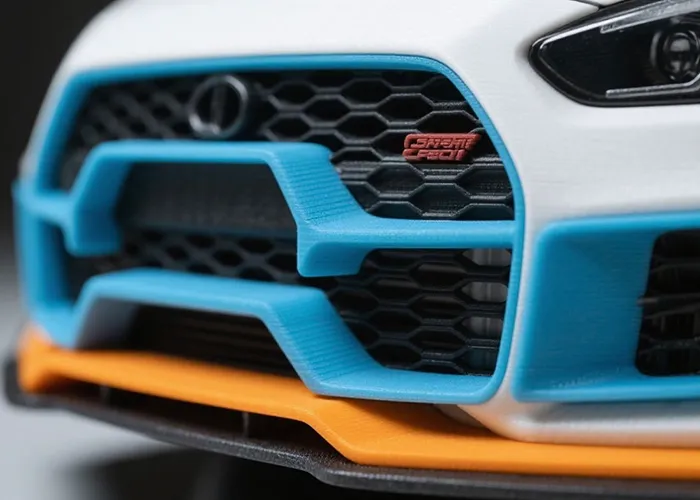
3D Printed Custom Car Parts Types
Interior Decoration:
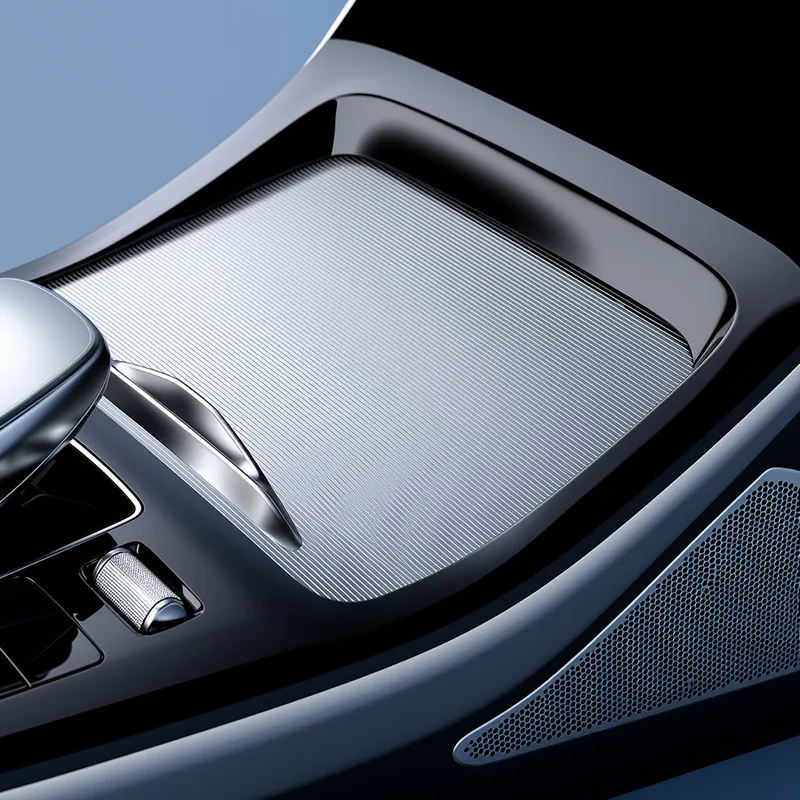
- 3D printed interior parts can be used to refurbish vintage cars to make them look more modern while maintaining a retro style. For example, by 3D scanning the interior of a vintage car, you can create customized center consoles, dashboards, door panels and other components that can be printed directly without traditional molds.
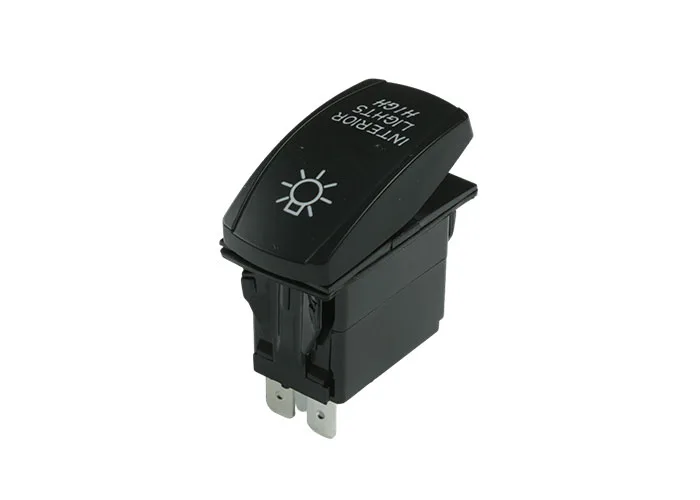
- Personalized interior parts such as center control panels, cup holders, air vents, door handles, etc. can all be highly customized through 3D printing. For example, users can choose different colors, materials and shapes according to their preferences, thereby enhancing the personalization of the vehicle.
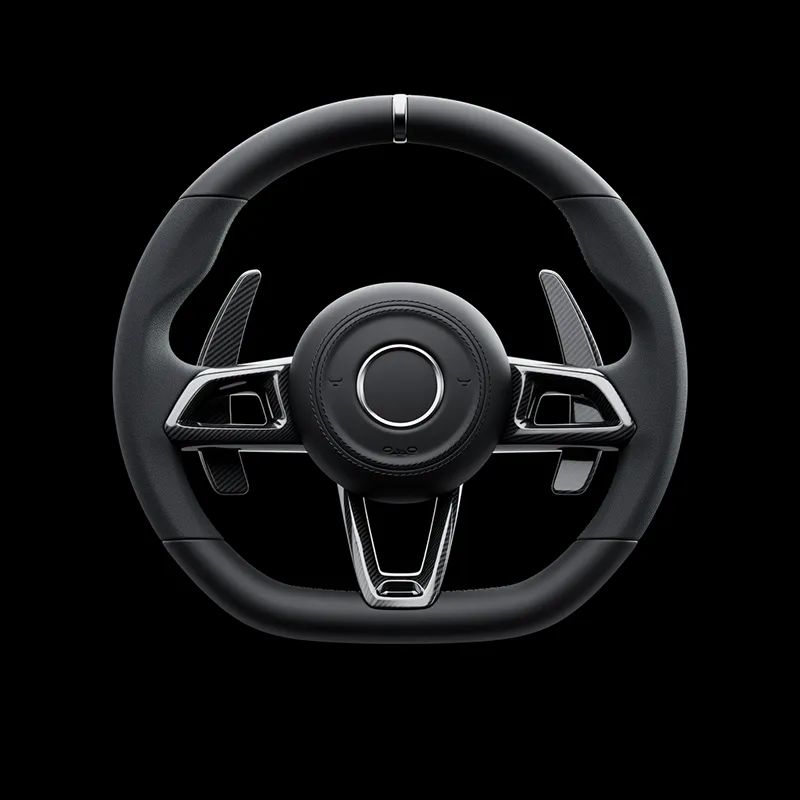
- 3D-printed interior components can also be used in racing cars or high-performance vehicles, such as lightweight dashboards, customized steering wheels, and seats, which are not only aesthetically pleasing but also enhance the driving experience.

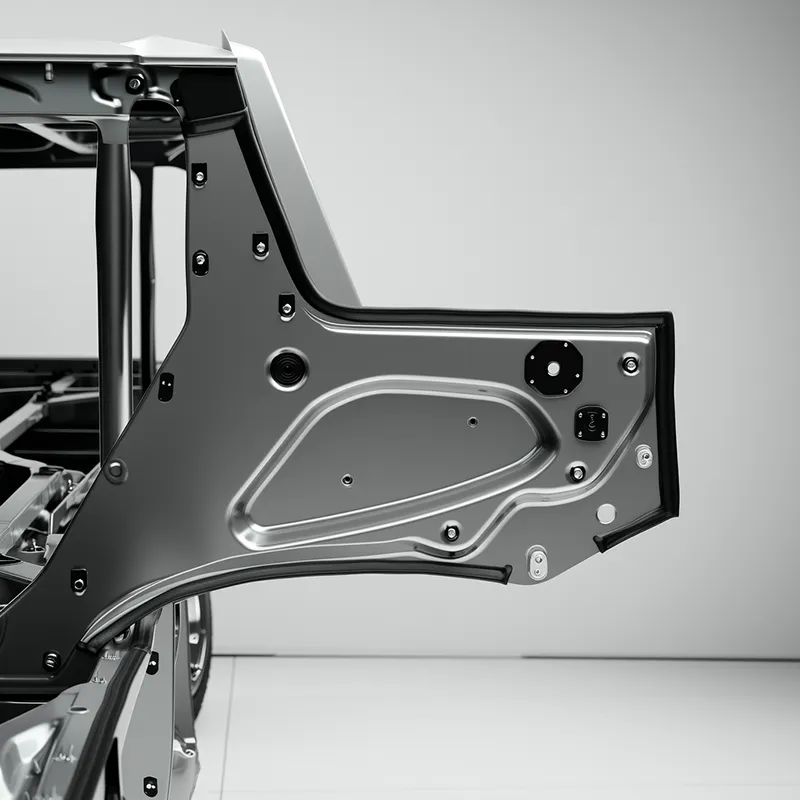
Exterior Decoration:
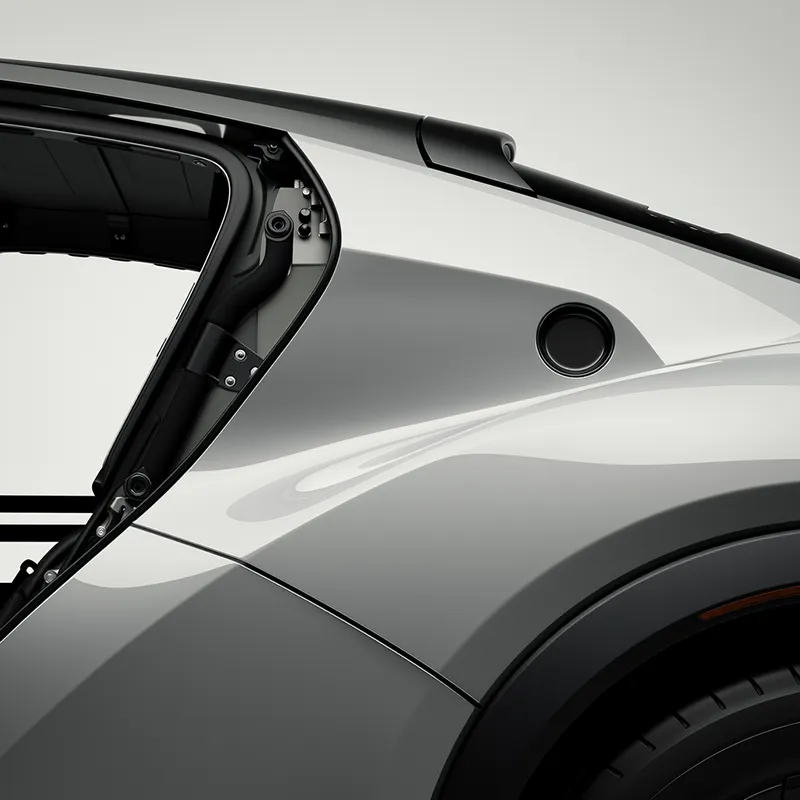
- 3D printed exterior parts can be used to manufacture body panels, lights, bumpers, etc.
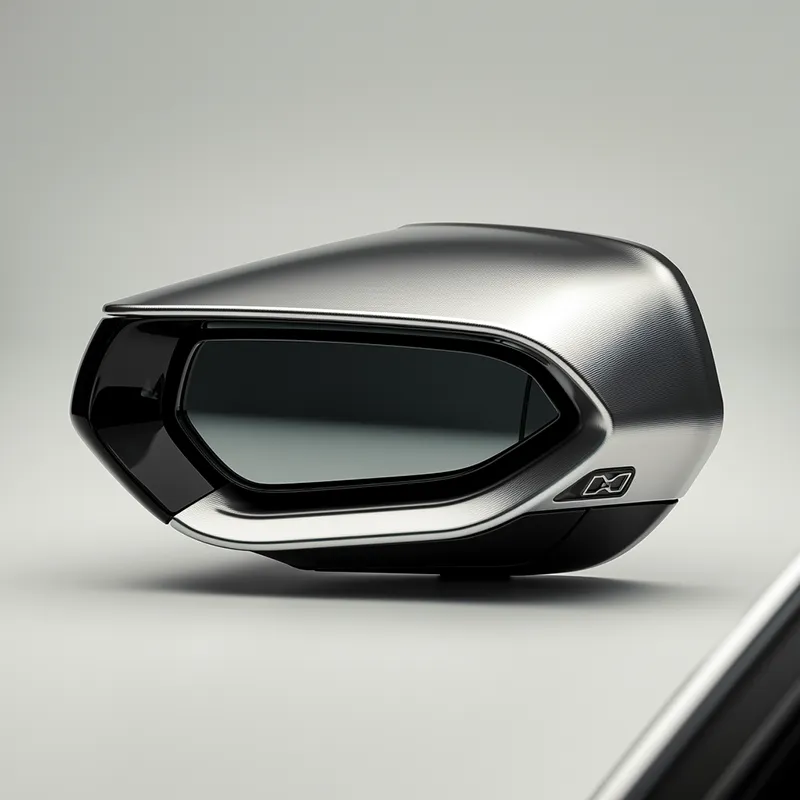
- 3D printing can also be used to manufacture personalized body decorations, such as 3D printed custom car emblems, rearview mirror housings, light assemblies, etc. These parts can be designed and produced according to the user’s aesthetic needs.
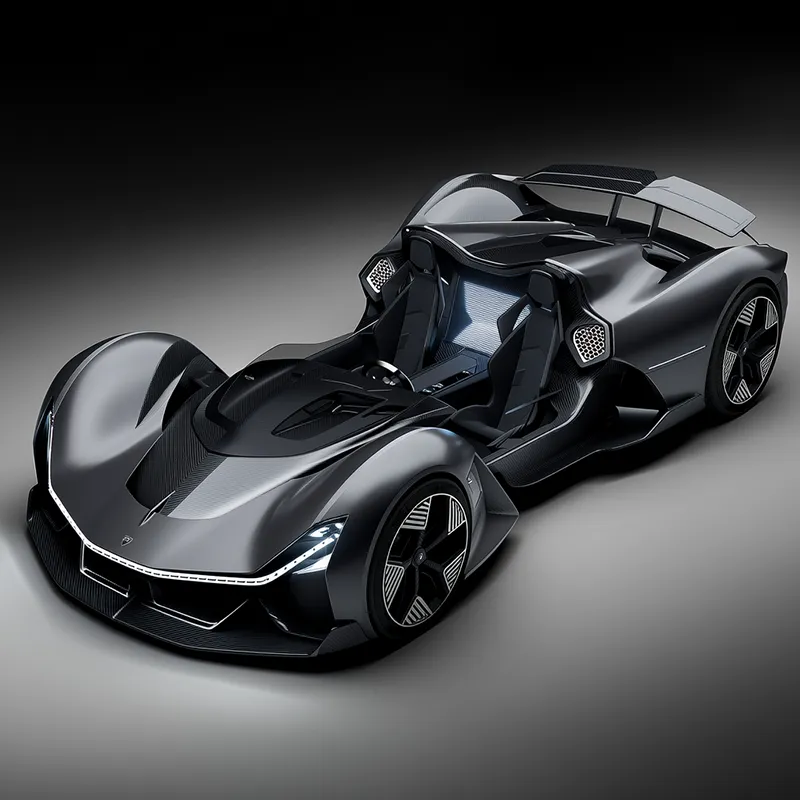
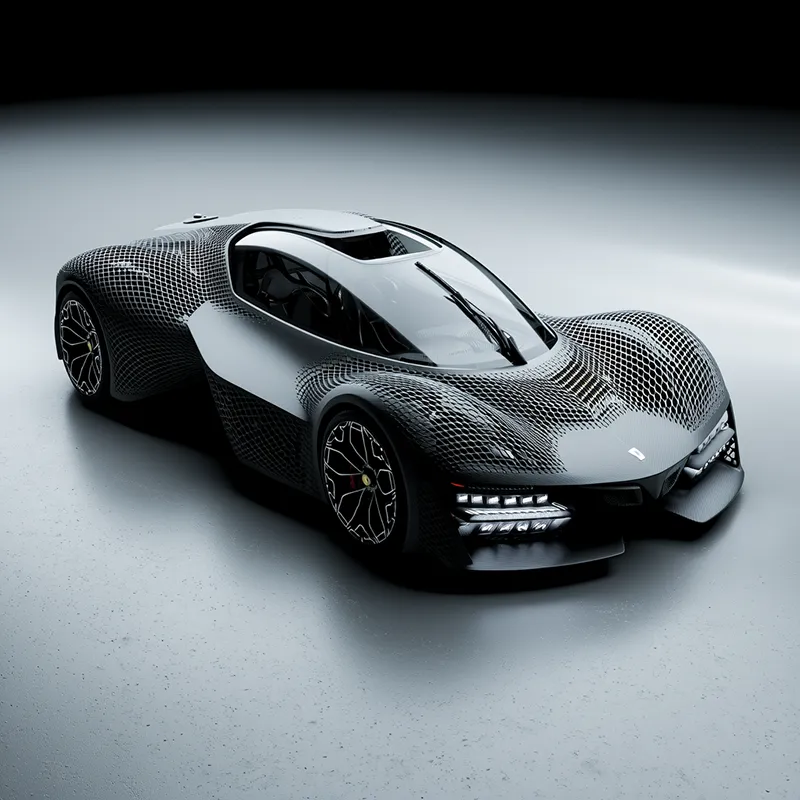
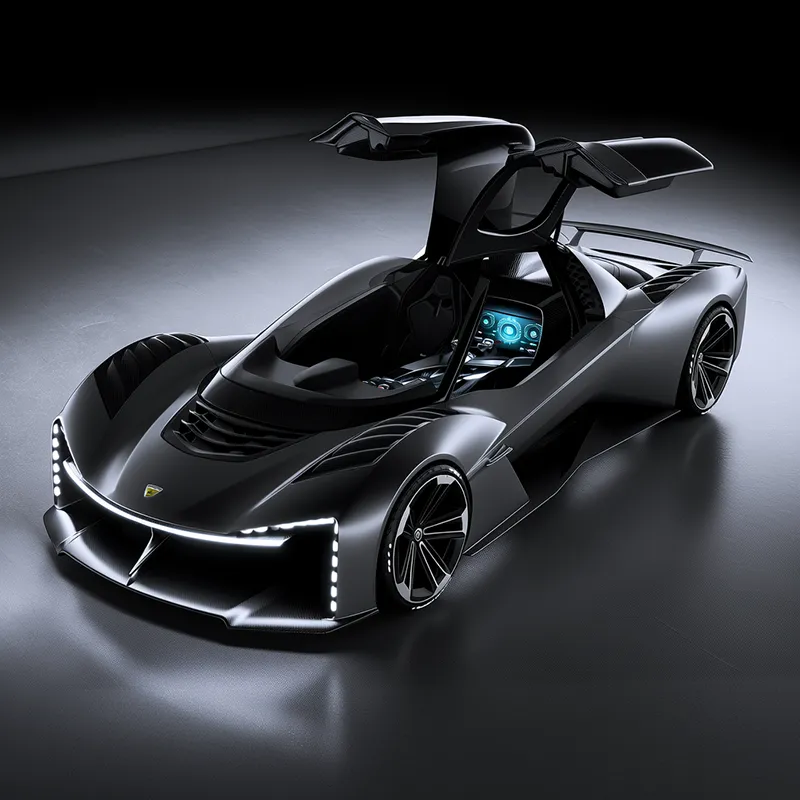
- 3D printing can be used to manufacture the appearance of concept cars as well, such as car surrounds, air intake grilles, etc. These parts can be quickly produced for designers and customers to evaluate and modify.
Functional parts:
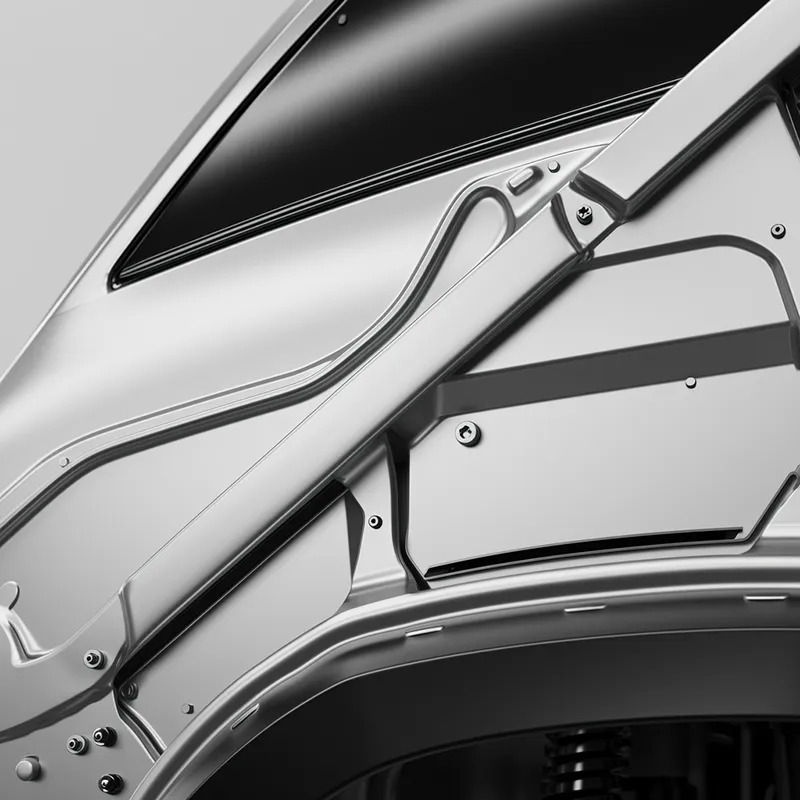
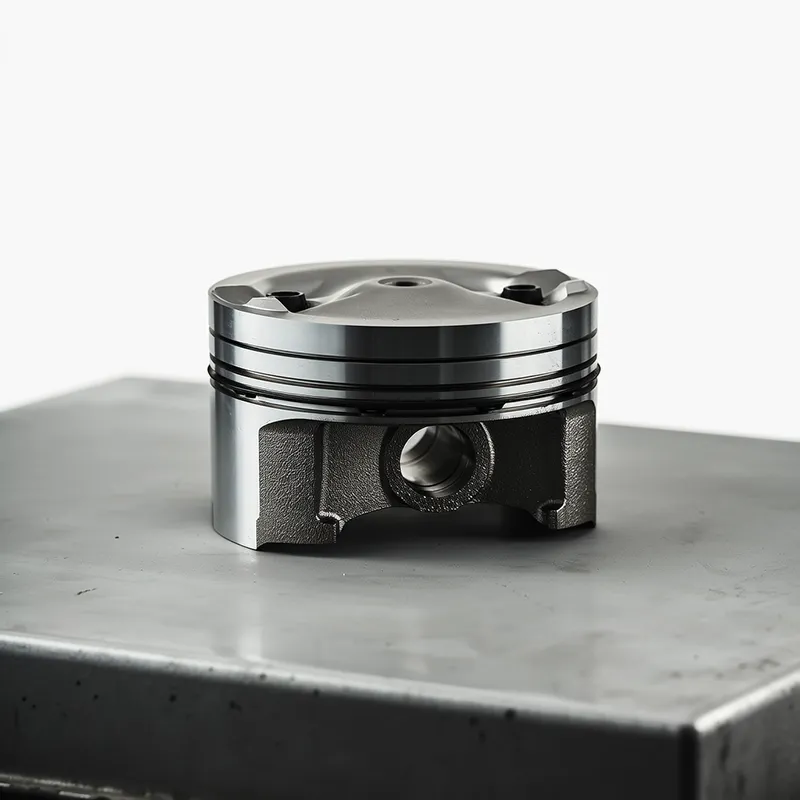
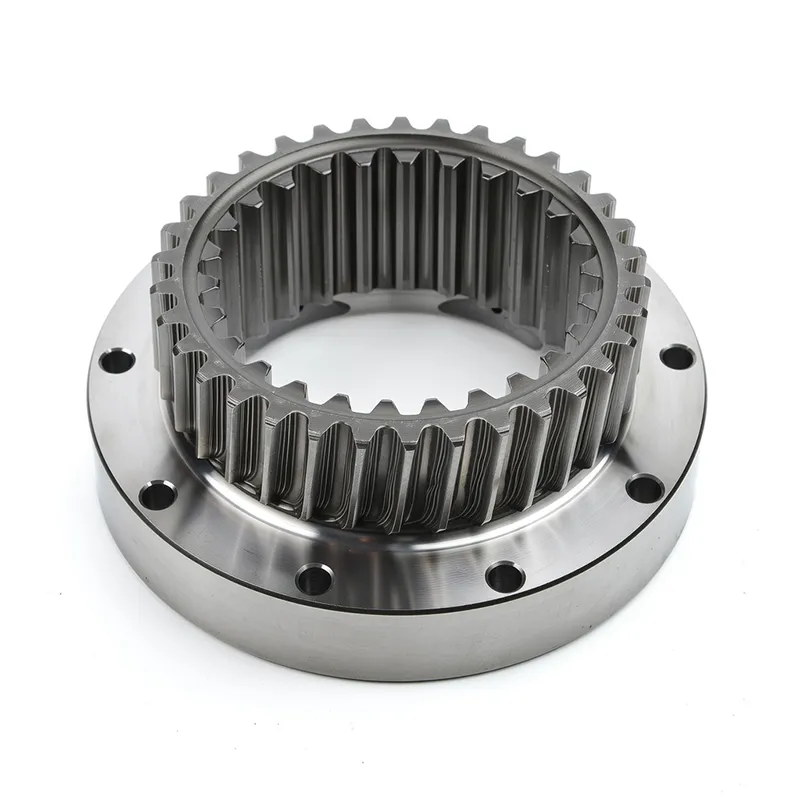
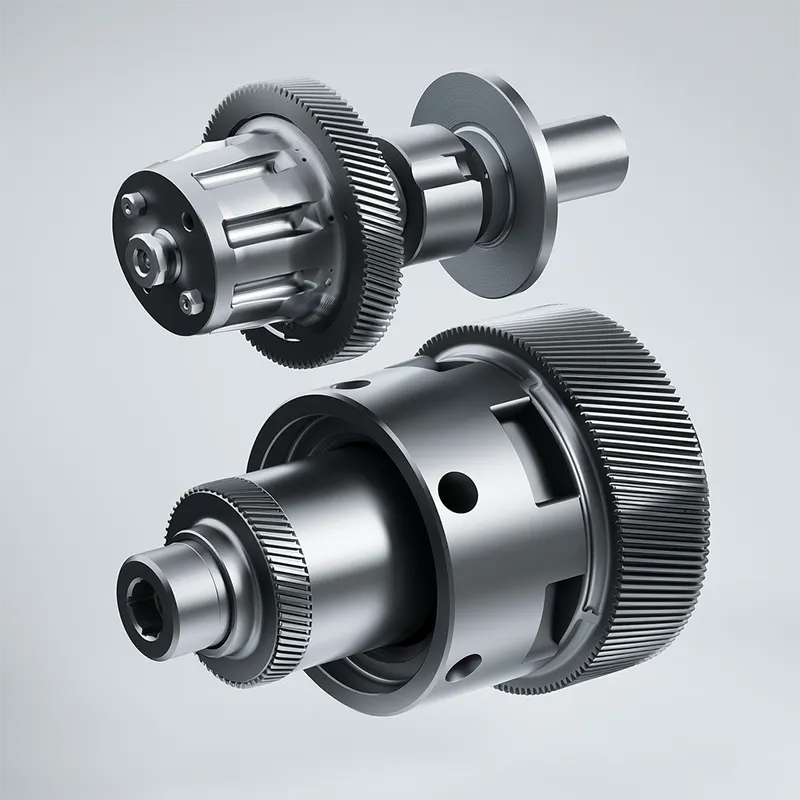
3D printing can manufacture a variety of functional parts, such as brackets, engine components, air intake manifolds, etc. These parts usually have complex internal structures, and 3D printing can improve performance or reduce assembly costs. Metal 3D printing technology, such as electron beam melting (EBM), is often used to manufacture high-temperature performance engine parts, such as valves, turbochargers, connecting rods, etc.

Prototyping:
- 3D printing technology is widely used in automotive prototyping, especially in the concept car and design verification stage.
- 3D printed prototypes can be used to manufacture the exterior and interior parts of concept cars, such as car surrounds, air intake grilles, center consoles, etc. These parts can be quickly produced for designers and customers to evaluate and modify.
- 3D printed prototypes can also be used to manufacture prototypes of functional parts, such as engine parts, brake system parts, etc. These prototypes can be used for testing and optimizing designs.
Custom 3D Printed Car Parts Material Type
ABS (Acrylonitrile Butadiene Styrene) is a widely used engineering plastic that is widely used in 3D printing of automotive parts due to its high impact strength, good thermal stability and easy processing. It is suitable for parts that require a certain strength and heat resistance, such as body interior parts, decorative parts, etc. ABS is usually printed by FDM (Fused Deposition Modeling) technology.
PLA (Polylactic Acid) is a bio-based plastic that is popular because of its environmental protection, easy printing and low cost. It is suitable for lightweight parts that do not require high strength, such as models, decorative parts or interior parts. However, the disadvantage of PLA is that it is brittle and is not suitable for parts that are subjected to high stress or high temperature, such as functional parts or under the hood parts.
Nylon (Polyamide) is a material with high tensile strength, flexibility and chemical resistance, suitable for functional parts that require a certain strength and durability. Nylon is usually printed by FDM technology and is suitable for structural parts in automobiles or parts that require a certain degree of elasticity.
PETG (Polyethylene Terephthalate Glycol) is a material that combines the properties of PLA and nylon. It has good chemical resistance, toughness and transparency, and is suitable for parts that require certain strength and durability, such as headlight covers, dashboards, etc.
Carbon fiber reinforced composite material (CFRP) is a lightweight and high-strength material with excellent tensile strength and rigidity. It is suitable for parts that need to reduce weight and improve performance, such as body structural parts, high-performance interior parts, etc. Such materials are usually printed by SLS (Selective Laser Sintering) or DMLS (Direct Metal Laser Sintering) technology.
Metal materials (such as aluminum, titanium, stainless steel) are suitable for engine parts or structural parts that need to withstand high temperatures and high pressures due to their high strength, high temperature resistance and corrosion resistance. Metal 3D printing usually uses DMLS or EBM (Electron Beam Melting) technology.
Benefits of Custom 3D Printed Car Parts
Customization Capability: 3D printing technology allows manufacturers and consumers to customize automotive parts according to personal needs. Whether it is interior trim, body panels, or high-performance racing parts, 3D printing can achieve highly customized designs. For example, BMW’s MINI Yours service allows users to customize the appearance of the vehicle online, while Rolls-Royce uses 3D printing technology to provide customers with completely personalized luxury cars. This customization capability not only meets consumers’ demand for unique appearance, but also optimizes the performance of the vehicle, such as improving fuel efficiency through lightweight design.
Lightweight and Performance Optimization: 3D printing technology can produce lightweight automotive parts, thereby reducing the weight of the entire vehicle and improving fuel efficiency and power performance. Through topological optimization and honeycomb structure design, 3D printing can achieve parts that are both light and strong, which is particularly important in racing and high-performance vehicles. For example, 3D-printed aerodynamic parts and lightweight engine brackets can significantly improve the aerodynamic performance and mechanical efficiency of the vehicle.
Rapid Prototyping and Iterative Development: 3D printing technology enables automakers to quickly create prototypes and test them, thereby accelerating product development cycles. Traditional manufacturing methods require expensive molds and long production preparations, while 3D printing can generate functional prototypes directly from digital models, greatly shortening the design and testing time. In addition, 3D printing also supports rapid iteration of design, and manufacturers can continuously optimize the design to ensure the performance and quality of the final product.
Reduce Costs and Inventory Management: 3D printing technology can significantly reduce production costs, especially in small batch production or customized production. Since 3D printing does not require expensive molds or a large amount of raw materials, it can reduce production costs. In addition, 3D printing supports on-demand production, that is, printing parts on demand, thereby reducing inventory pressure and warehousing costs. For example, Siemens uses 3D printing technology to produce replacement parts for trains, successfully reducing inventory costs by 85%. This on-demand production model also reduces capital occupation and waste caused by inventory backlogs.
Improve Production Flexibility and Supply Chain Control: 3D printing technology enables manufacturers to better control the supply chain. Traditional manufacturing methods rely on external suppliers to provide raw materials and parts, while 3D printing allows manufacturers to produce parts locally, thereby reducing dependence on middlemen. This flexibility not only improves production efficiency, but also enhances the stability of the supply chain. For example, General Electric uses 3D printing technology to produce fuel nozzles for aircraft engines, which not only reduces the number of parts but also reduces costs. In addition, 3D printing can also support distributed manufacturing, that is, deploying 3D printers in different locations to meet market demand in different regions.
Custom 3d Printed Car Parts Steps
Step 1: Design the Part
First, you need to create a 3D model of the part using computer-aided design (CAD) software. CAD software can create detailed 3D models to ensure that the functionality, size, and shape of the part meet the requirements. Some commonly used CAD software include SketchUp, Fusion 360, and TinkerCAD. In addition, you can also download ready-made 3D models from online resources to save design time.
Step 2: Choose the Right Material
According to the purpose and strength requirements of the part, choose the right 3D printing material. Common materials include PLA, ABS, and PETG. For example, for parts that require high durability, you can choose ABS; while for parts that require a good surface finish, you can choose PLA. In addition, carbon fiber reinforced materials can also be used to improve the strength and aesthetics of the part.
Step 3: Prepare the 3D Printer
Before printing, you need to make sure that the 3D printer is in good condition. This includes loading the appropriate filament and setting up the print bed. Some 3D printers require a heated bed to prevent warping during printing. In addition, the printer needs to be calibrated to ensure printing accuracy.
Step4: Slice and Prepare the File
Slicing Software: Use slicer software (Cura, Slic3r, Simplify3D) to convert the 3D model into printer-ready G-code.
Adjust Print Settings: Set parameters such as layer height, infill density, and support structures as needed.
Step5: Print the Part
Import the designed 3D model into the 3D printer software and start printing. Printing time usually ranges from a few hours to a few days, depending on the complexity of the part, the size and the type of material selected.
Step6: Post-processing and Surface Treatment
After printing, the part needs to be post-processed to improve its appearance and function. This includes removing support structures, sanding, polishing and painting. For example, use fine sandpaper to sand the printed surface to remove interlayer lines. In addition, laser polishing technology can also be used to improve surface quality.
Step7: Test and Install
Before installing the part, it needs to be tested to ensure that it functions properly. For example, test whether a 3D printed windshield bracket can be properly installed and fixed to the body. If the test passes, the part can be installed on the vehicle and final inspection and adjustment can be carried out.
Step 8: Quality Control and Optimization
Throughout the process, the design and printing parameters need to be continuously optimized to ensure the quality and performance of the final product. For example, through rapid prototyping, different design variations can be tested and the best solution can be selected. In addition, 3D scanning technology can be used to ensure that the print is consistent with the size and shape of the original part.