
 English
  Arabic
  French
  German
  Italian
  Russian
  Spanish
 Custom Overmolding Services Company
The overmolding process involves the molding of one plastic material over another, ensuring a seamless combination of multiple plastic parts to create a uniform and durable product. Insert molding and multi-shot molding processes are utilized to combine materials for both functional and aesthetic purposes. Scojet employs these techniques in their plastic injection overmolding to ensure that every component meets industrial standards.
Our custom overmolding services offer high-quality solutions for prototypes and on-demand production parts. Enjoy the convenience of quick quotes, short turnaround times, and competitive pricing. We have no minimum order quantities, and our rapid tooling production can be completed in as fast as two weeks. We are ISO 9001:2015 certified and provide 24/7 engineering support.
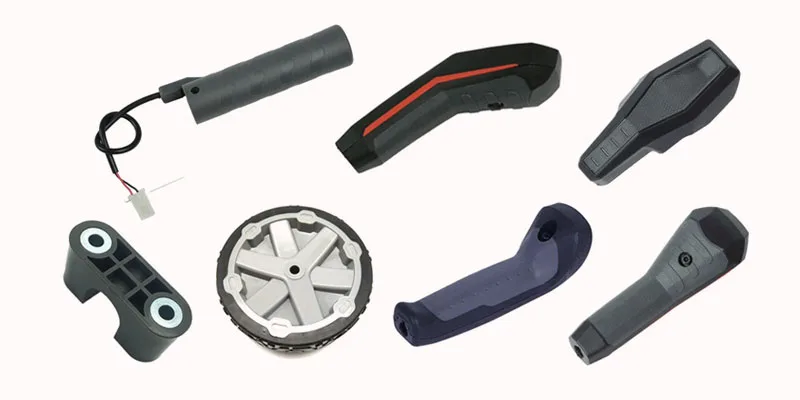
What is Overmolding?
With overmolding, the production of the substrate parts is a standard injection molding process involving an aluminum mold with no heating or cooling lines running through it. Cycle times are a bit longer, which allows our molders to monitor fill pressure, cosmetic concerns, and the basic quality of the parts. When the total run of substrate parts are molded, overmold tooling is then assembled to the press. The substrate parts are placed by hand into mold where each part is overmolded with either a thermoplastic or liquid silicone rubber material. We also provide thermoplastic overmolding service to our customers, and you will find high quality silicone overmolding goods when you send us your design. If you are looking for plastic overmolding factories. You can contact Scojet for the overmolded parts service.
Overmolding Capabilities
Custom overmolding services ensure the creation of plastic overmolding parts that look and perform better. Our production line consists of an injection overmolding process that allows us to combine several different materials into one, ensuring you get superior-quality products. You will find peek overmolding, two shot overmolding, and prototype overmolding services in Scojet. If you have more specific overmolding needs, you can tell us.
| Standards | Metric Units | Imperial Units |
| Maximum Part Size | 400×200×100mm | 15.75×7.87×3.94in. |
| Minimum Part Size | 2×2×2mm | 0.08×0.08×0.08in. |
| Substrate Wall Thickness | From 0.5 to 3mm | From 0.02 to 0.12 in. |
| Tolerance | +/- 0.025 mm | +/- 0.00098 in. |
| Radii | 0.1mm | 0.0039in. |
| Depth | 100mm from the parting line | 3.94in. from the parting line |
| Mold Validation | Provide T0, T1, T2 samples before mass production | |
| Inspection and Certification Options | First Article Inspection, ISO 9001, TS 16949 | |
| Lead Time | From mold making to sample delivery: 15-45 business days | |
Overmolding Material Bonding
Chemical bonding between overmolded materials is possible, but material compatibility should be considered in order to achieve desired bond strength. Incorporation of an adequate mechanical bond is strongly recommended if bonding is critical to your application. An undercut is a good example of a mechanical bond.
| Substrate Material | |||||
| Overmold Material | ABS Lustran | ABS/PC CYCOLOY C2950-111 | PC Lexan 940-701 | PBT Valox 357-1001 | PP Profax 6323 |
TPU – Texin 983-000000 | C | C | C | C | M |
TPV – Santoprene 101-87 | M | M | M | M | C |
TPE – Santoprene 101-64 | M | M | M | M | C |
LSR – Elastosil 3003/30 A/B | – | – | M | M | – |
| TPC – Hytrel 3078 | C | C | C | C | M |
TPE-Versaflex OM 1060X-1 | C | C | C | M | M |
TPE-Versaflex OM 6240-1 | M | M | M | M | M |
TPE-Versaflex OM 6258-1 | M | M | M | M | M |
TPE-Versaflex OM 1040X-1 | C | C | C | M | M |
C = chemical bond
scojet Plastic Surface Treatment
| Material Type | Specific Material | Surface Treatment | Technical Features |
| General Plastics | Polyethylene (PE) | Plasma Treatment | Improves adhesion strength (up to 10x), suitable for films, pipes, and packaging materials. |
| Polypropylene (PP) | Chromic Acid Etching | Significantly enhances polarity (adhesion strength increases by 600x), suitable for transparent products and pipes. | |
| Polyvinyl chloride (PVC) | Spraying | Rich color options, supports complex structures, but has higher cost. | |
| Polystyrene (PS) | IMD (In-Mold Decoration) | Embedded graphics and text, wear-resistant, suitable for automotive light covers and other transparent components. | |
| ABS | Electroplating | Provides metallic texture, requires pre-treatment (e.g., chromic acid etching), ensures strong coating adhesion. | |
| Engineering Plastics | Polyamide (PA, nylon) | Chemical Etching | Enhances surface polarity, suitable for automotive parts and textile fibers. |
| Polycarbonate (PC) | UV Curing Coating | Improves surface hardness and weather resistance, used in optical components (e.g., automotive light covers). | |
| Polyoxymethylene (POM) | Laser Engraving | High-precision marking, environmentally friendly, suitable for gears, bearings, and other precision parts. | |
| Special Engineering Plastics | Polyphenylene sulfide (PPS) | Sodium Naphthenate Etching | Enhances adhesion performance (up to 10x improvement), suitable for high-temperature electronic components. |
| Polyetheretherketone (PEEK) | Plasma Etching | Improves surface energy, used for biomedical materials and aerospace components. | |
| Modified Plastics | Chlorinated polypropylene (MCPP | Flame Treatment (AtmaP Technology) | Grafting coupling agents enhance adhesion, suitable for coating and bonding applications. |
| Film-Type Plastics | LDPE/LLDPE/HDPE | Corona Treatment | Increases surface tension, improves printability, but with limited effectiveness. |
Gallery of Overmolded Parts
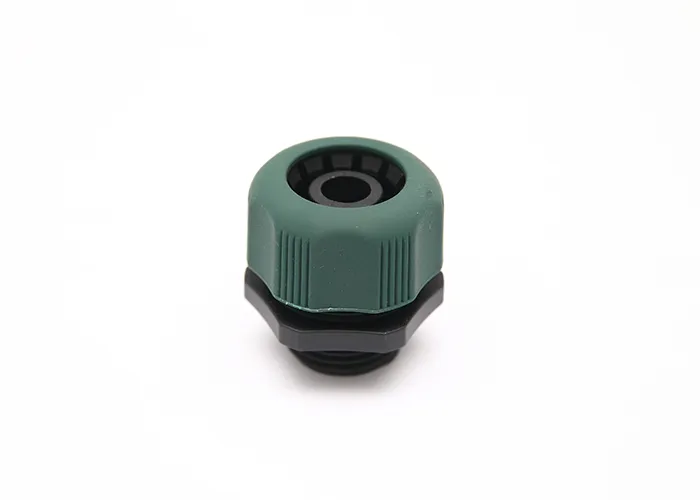
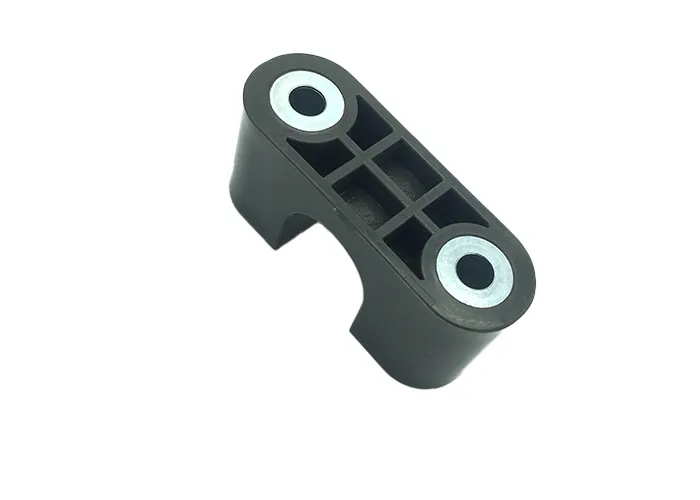
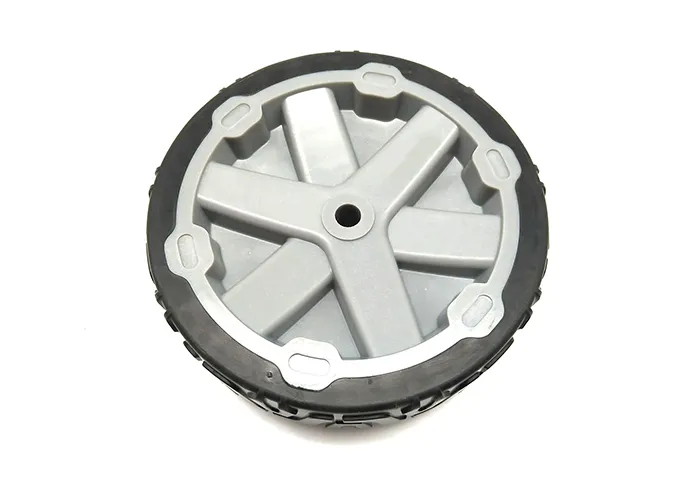
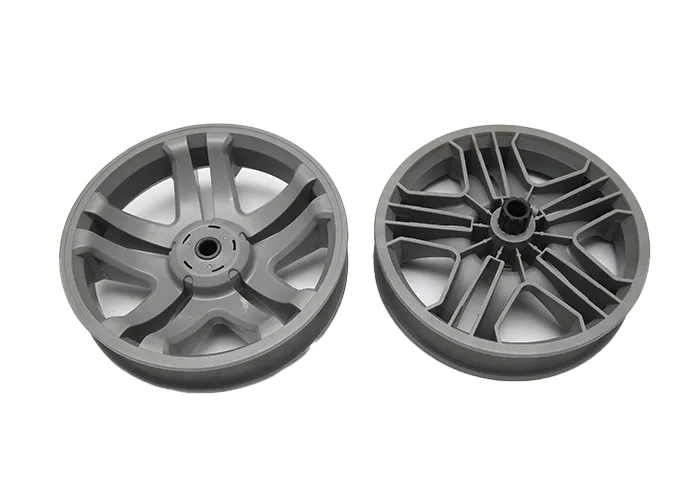
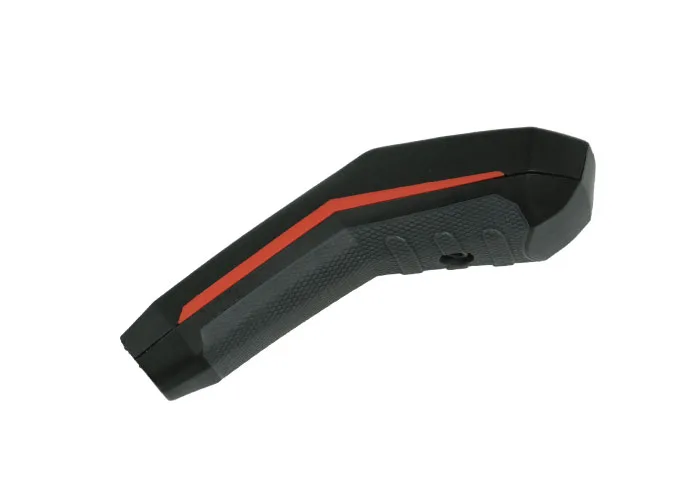
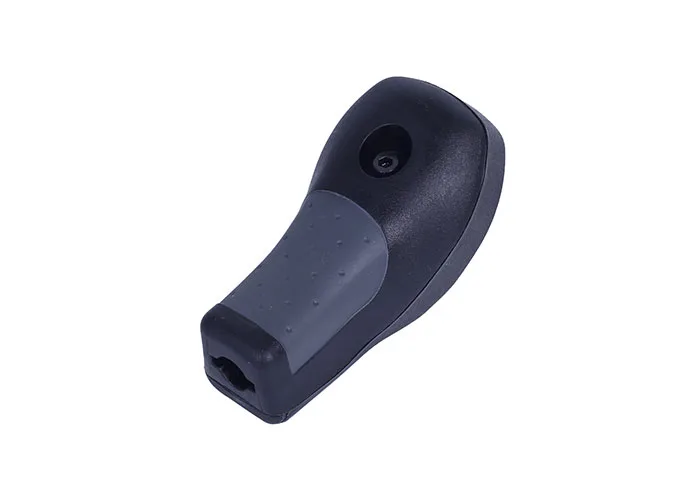
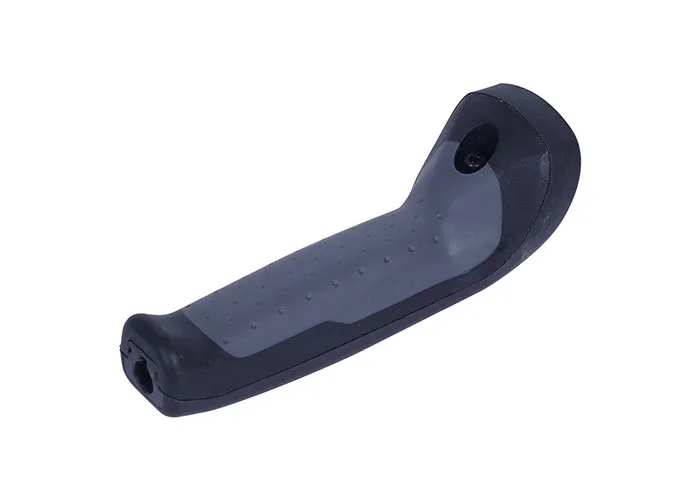
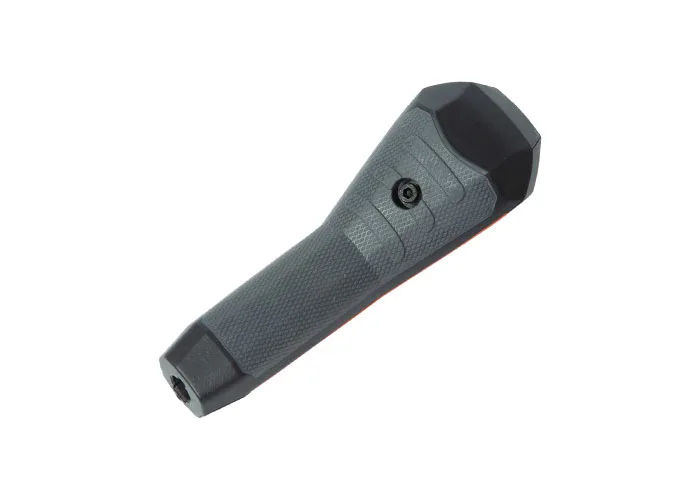
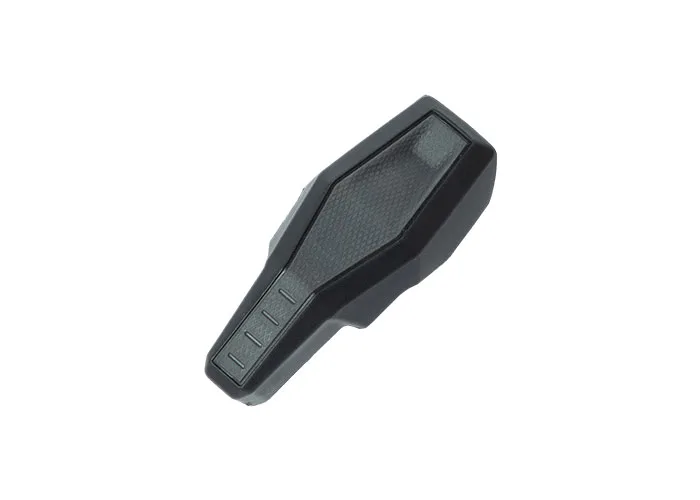
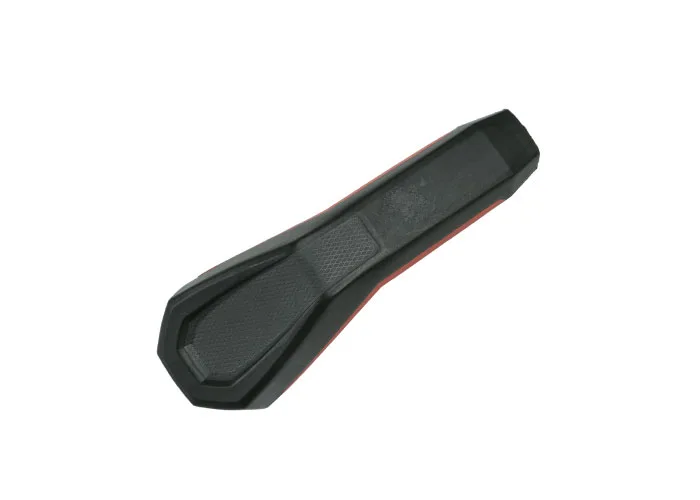
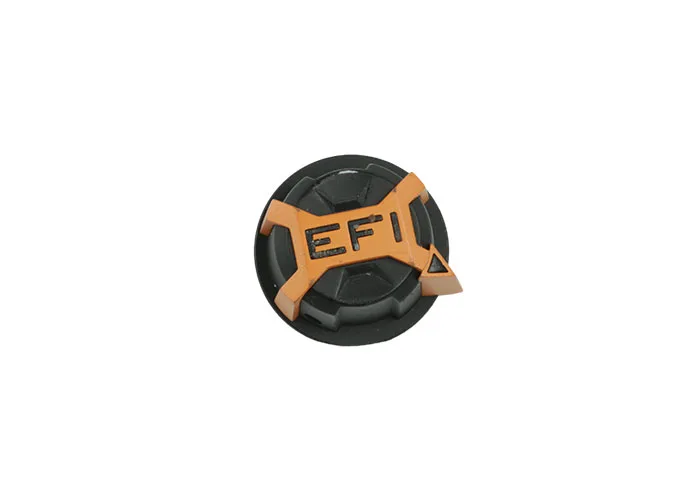
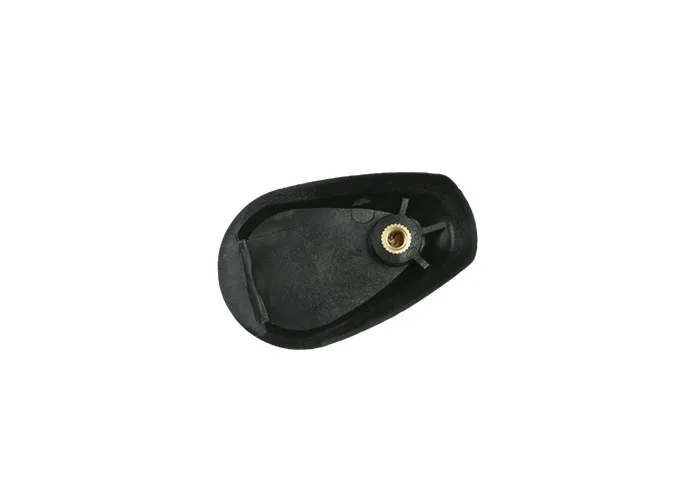
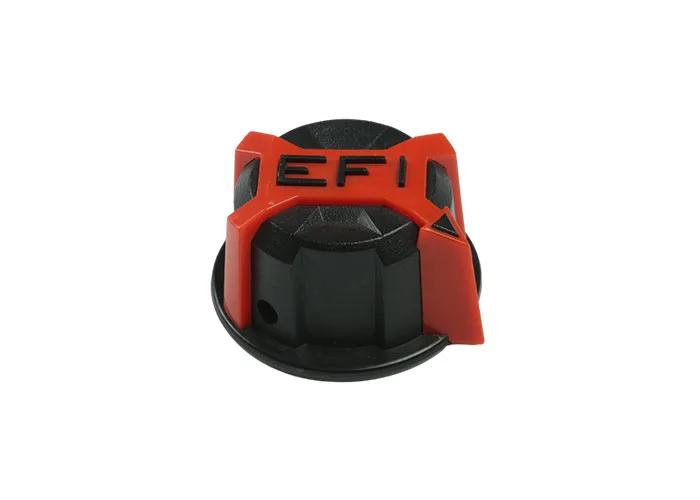
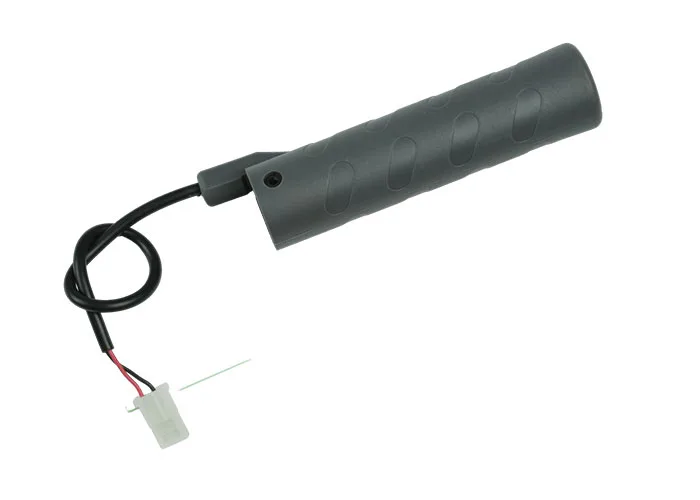
Applications of Overmolding
The injection overmolding process is versatile and can be used with a broad range of materials, including plastics and metals. This method is instrumental in manufacturing custom prototypes and production parts tailored to your specific needs, catering to various applications. Numerous industries benefit from the advantages of overmolding services.

Applications
Applications
Applications