Custom Aluminum Alloy Die Casting Company

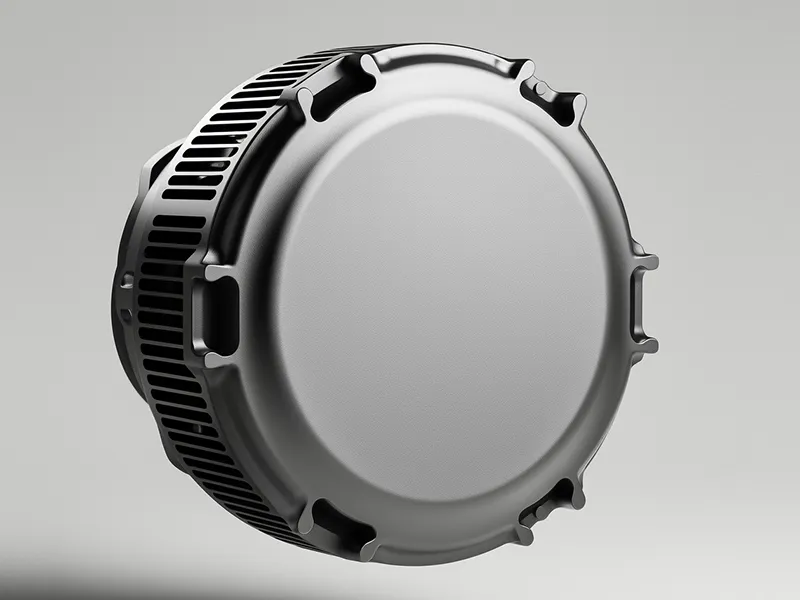
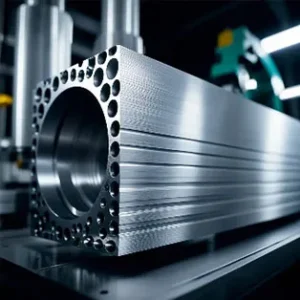
Aluminum Alloy Die Casting is a metal forming process that quickly forms parts under high pressure by injecting molten aluminum alloy into a mold cavity. This process can produce aluminum parts with complex geometry, high precision and smooth surface, which are widely used in automotive, industrial and consumer products.

aluminium die casting companies

Custom Aluminum Die Casting Products

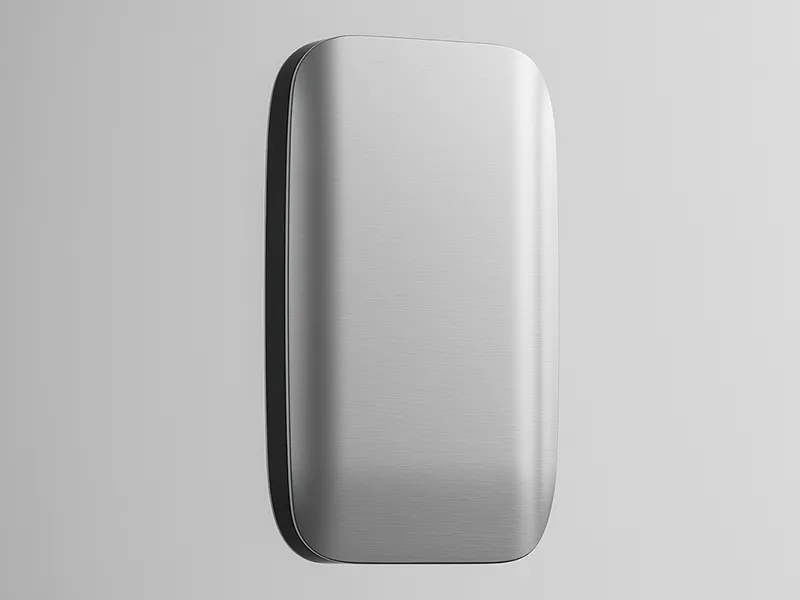
Aluminum Die Casting EV Charging Pile

die casting aluminum ev charging pile

Mechanical Power Unit

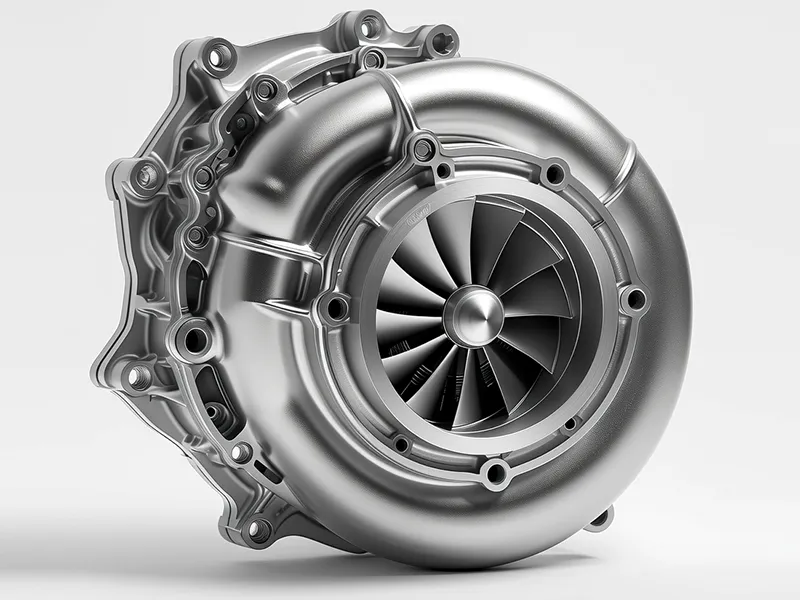
Die-cast turbocharger housing
Die-Cast Turbocharger Housing
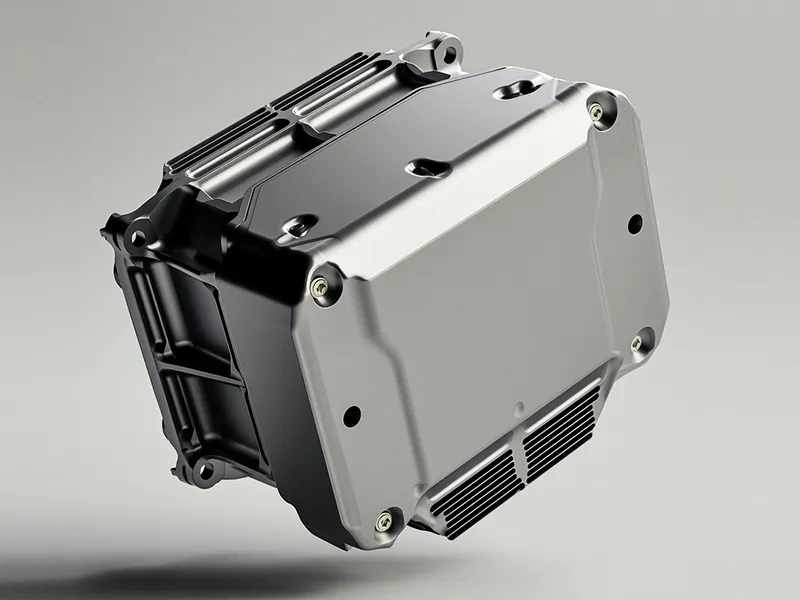
Die-cast aluminum motor housing
Die-Cast Aluminum Motor Housing

Aluminum Alloy Die Casting Advantages

1. Lightweight: Aluminum alloy has a low density (about 2.7 g/cm³), and compared with other metals such as steel and copper, aluminum alloy die castings can significantly reduce weight while maintaining strength and structural integrity. This lightweight feature is particularly suitable for automotive, electronic equipment and other fields.

2. High strength and rigidity: Aluminum alloy die castings have excellent mechanical properties, including high strength, high rigidity and good deformation resistance. This allows aluminum alloy die castings to withstand high working pressures and temperatures, and are suitable for applications that require high strength.

3. Corrosion resistance: Many aluminum alloy has good corrosion resistance and can be used for a long time in harsh environments without being easily damaged. This feature makes it widely used in industries such as marine and construction.

4. High thermal conductivity and heat dissipation performance: Aluminum alloy has excellent thermal conductivity and heat dissipation performance, which makes it perform well in applications that require heat dissipation, such as electronic equipment and automobile engines.

5. Minimal need for secondary processing: Aluminum alloy die castings can maintain high dimensional stability and high surface finish during cooling, reducing the need for subsequent processing. This not only improves production efficiency, but also reduces manufacturing costs.

Custom Aluminum Alloy Die Casting Process

The main process of aluminum alloy die casting includes the following key steps:
Step 1: Melting of aluminum alloy
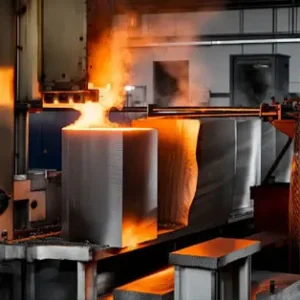
First, put the aluminum block into the furnace and heat it to liquid state. Generally, the melting temperature of aluminum is about 660°C to 750°C, depending on the alloy composition and the required properties. During the melting process, alloying elements such as silicon, magnesium, and manganese may be added to adjust the chemical composition and properties of the alloy.

Step 2: Mold preparation
The die casting mold is the core tool of the die casting process and usually consists of two parts: the movable mold and the fixed mold. The mold needs to be thoroughly cleaned and coated with lubricant to ensure that the aluminum liquid can be smoothly injected into the mold cavity and easily demolded after cooling.

Step 3: High-pressure injection
The molten aluminum alloy is injected into the mold cavity through the injection system of the die casting machine. This process is carried out under high pressure, which can be as high as 100 to 2000 bars to ensure that the metal can fill all the details of the mold.

Step 4: Rapid cooling and solidification
The aluminum alloy injected into the mold is rapidly cooled and solidified under high pressure. The cooling rate directly affects the quality of the casting, such as grain structure and mechanical properties. During the cooling process, the temperature distribution in the mold and the cooling time need to be strictly controlled to avoid cracks and other defects.

Step 5: Opening the mold and removing the casting
When the aluminum alloy is completely solidified, the mold is opened and the casting is removed from the mold. At this point, the casting may need to be trimmed to remove excess metal (called “flash”).

Aluminum Alloy Types Used In Die Casting

Aluminum-silicon alloy (Al-Si)

The most commonly used alloys are 380, 383 and 384. These alloys have good casting properties and mechanical properties and are suitable for the production of complex parts such as automobile engine brackets, furniture, and electronic equipment housings.

Aluminum-copper alloy (Al-Cu)

Including ADC12 (A319), ADC4 (A356), etc. These alloys have high strength and hardness, but their corrosion and machinability are slightly inferior to aluminum-silicon alloys.

Aluminum-magnesium alloy (Al-Mg)

Common alloys include 6061, etc. These alloys have good strength, corrosion resistance and machinability.

Aluminum-zinc alloy (Al-Zn)

Although zinc-based alloys are mainly used for die casting, some aluminum-zinc alloys are also used for special applications, such as occasions where high corrosion resistance is required.

Aluminum Alloy Die Casting FAQ

Common materials: A380 (good fluidity), ADC12 (high strength), Al-Si-Mg alloy (lightweight for automobiles), etc., which need to be selected according to the requirements of corrosion resistance and mechanical properties.

Recommended Case:

Application of A380 in automotive parts

Application of ADC12 in electronic product housing

Causes: Rough mold surface, insufficient draft angle, and unbalanced ejection force.
Solution: Polish the mold cavity and increase the draft angle. Adjust the ejector distribution to ensure uniform force.
Recommended Case: Mold surface optimization

Measures: Use T6 heat treatment process. Optimize the mold cooling system to reduce thermal deformation. Use high-precision CNC processing to correct the size.
Recommended Case: T6 heat treatment improves dimensional stability
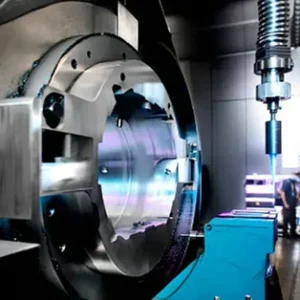
Maintenance points: Regularly clean the exhaust groove residue. Perform nitriding treatment on the cavity surface. Control the mold temperature fluctuation ≤30℃

Recommended Case: Nitriding treatment extends the mold life

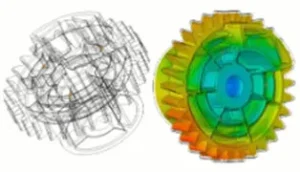
Strategy: Use mold flow analysis software (such as FLOW-3DCAST) to optimize the pouring system. Recycle waste materials (ratio ≤ 30%). Select alloys that do not require heat treatment.

Recommended Case: Optimize pouring system by mold flow analysis


Get In Touch with us

Scroll to Top

Get In Touch with us