
 English
  Arabic
  French
  German
  Italian
  Russian
  Spanish
 Die casting has become an essential manufacturing process in the medical industry due to its precision, efficiency, and ability to produce high-quality metal components. From surgical instruments to imaging equipment, die casting technology provides durable and lightweight solutions that meet strict medical standards. This article explores the various die casting uses in the medical field, key technological aspects, and important considerations such as die casting tool design, die casting surface finish, and die casting automation.
Die Casting Uses in the Medical Industry

The medical sector requires components with high accuracy, strength, and corrosion resistance. Die casting is widely used for:
- Medical device enclosures: X-ray machines, MRI scanners, and CT scan equipment.
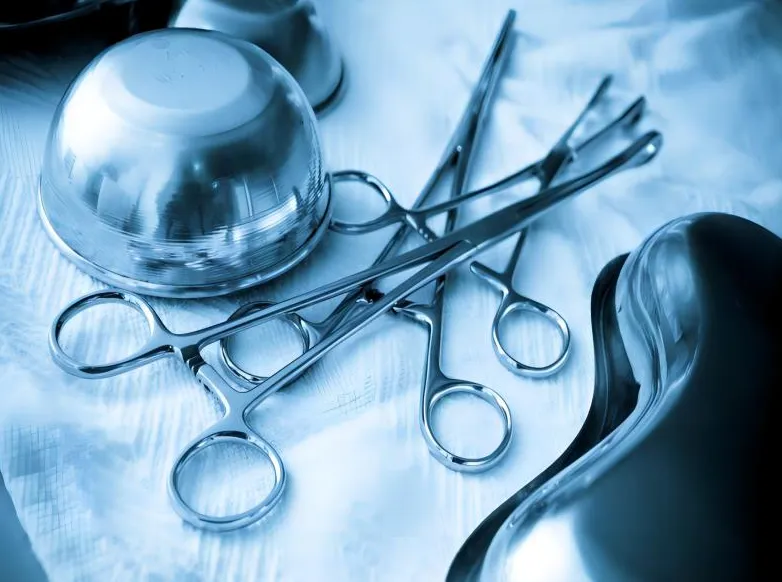
- Surgical instruments: Handles, brackets, and structural parts.
- Rehabilitation equipment: Frames for wheelchairs, walkers, and hospital beds.
- Implants and prosthetics: Lightweight yet strong components for orthopedic applications.
To meet these demands, manufacturers rely on advanced die casting technology and high-performance materials such as aluminum, magnesium, and zinc alloys.
Die Casting Technologies in Medical Industry
Die Casting Tool Design

The success of any die casting project depends on precise die casting tool design. For medical applications, molds must accommodate complex geometries, thin walls, and tight tolerances to ensure the accuracy and performance of medical components. Proper gating and venting systems are essential to avoid defects such as porosity.
Die Casting Tonnage Calculation
The correct die casting tonnage calculation is crucial. This calculation is based on:
- Part size and complexity.
- Material being used.
- Injection pressure needed to fill the mold.
For medical devices, machines typically range from 150 to 800 tons, depending on component size.
Die Casting Steps: Step by Step Process

A well-structured die casting step by step process ensures high-quality output. The key steps include:
- Mold Preparation: Applying die casting release agent to ensure smooth ejection.
- Metal Injection: Molten metal is injected into the mold at high pressure.
- Cooling: The die casting cooling system helps solidify the metal quickly.
- Ejection: The part is ejected from the mold using ejector pins.
- Finishing: The part undergoes trimming, machining, and die casting surface finish treatments.
Advanced Technologies in Die Casting
Die Casting Simulation

Before actual production, die casting simulation is used to predict defects such as porosity, shrinkage, and misruns. Simulation software helps optimize parameters like:
- Injection speed
- Cooling rates
- Mold temperature distribution
This technology minimizes material waste and improves the reliability of medical components.
Die Casting Release Agent & Lubricants
Using die casting release agent prevents metal from sticking to the mold, ensuring better surface quality. Additionally, die casting lubricants help reduce friction, extend mold life, and improve production efficiency.
Die Casting Cooling System
A well-designed die casting cooling system ensures consistent cooling rates, reducing defects and improving cycle times. Water or oil-based cooling channels in the mold help regulate temperature, preventing overheating and warping.
Cost Considerations in Medical Die Casting
Die Casting Price Factors
The die casting price for medical applications depends on several factors:
- Material costs (Aluminum, magnesium, zinc)
- Mold complexity and longevity
- Production volume
- Post-processing requirements (such as machining or coating)
Although initial tooling costs can be high, die casting automation helps reduce labor costs and improve consistency, making it cost-effective for high-volume production.
Die Casting Automation
To meet the medical industry’s demand for precision and efficiency, manufacturers implement die casting automation using:
- Robotic metal pouring for consistent filling.
- Automated trimming and finishing to enhance productivity.
- Quality control sensors to detect defects in real time.
Automation not only reduces human error but also ensures compliance with strict medical industry standards.
Conclusion
Die casting plays a crucial role in the medical industry by producing lightweight, durable, and high-precision components. Innovations in die casting technology, including simulation, tool design, cooling systems, and automation, continue to improve efficiency and quality.
As the medical sector advances, die casting automation and cost-effective solutions will further enhance the manufacturing process, making it an indispensable technique for high-performance medical equipment.
Scojet provides excellent die casting service for your medical equipment manufacturing. Contact us if you have any demands!




