
 English
  Arabic
  French
  German
  Italian
  Russian
  Spanish
3D printing, also known as additive manufacturing, is revolutionizing mold manufacturing. With its high flexibility, cost-efficiency, and ability to create intricate geometries, this technology is enhancing traditional mold-making processes in unprecedented ways. From rapid prototyping to producing functional mold inserts, the integration of 3D printing is transforming the industry.
This article explores how 3D printing is applied in injection mold tooling, its benefits, challenges, and its synergy with traditional methods.
3D Printing in Mold Manufacturing
Rapid Prototyping
One of the most common applications of 3D printing in injection mold tooling is rapid prototyping. This allows designers to validate mold geometry and structure during the early stages of development. With 3D printing, companies can significantly reduce trial-and-error costs and development time.
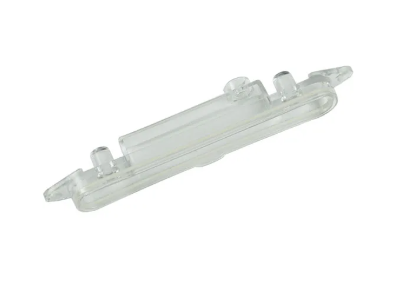
For example, in the automotive industry, a manufacturer used 3D printing to create a prototype mold for a car bumper. This allowed for faster design validation and reduced the product launch timeline from months to weeks.
Manufacturing Complex Mold Structures
3D printing is ideal for producing intricate mold structures that are challenging or impossible to achieve using traditional methods. For instance, conformal cooling channels designed with 3D printing optimize heat dissipation during injection molding, reducing cooling time and improving part quality.
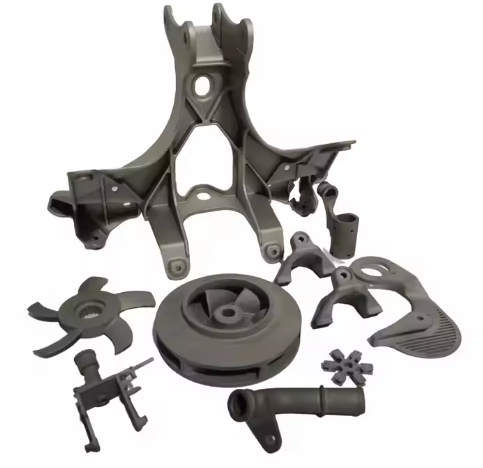
These advanced cooling systems significantly enhance production efficiency, especially in high-precision industries such as medical device manufacturing. By incorporating conformal cooling channels, companies can achieve faster cycles and reduce energy consumption.
Mold Repair and Maintenance
3D printing excels in mold maintenance by repairing damaged sections or replacing worn components. Metal 3D printing allows manufacturers to restore specific areas of a mold rather than remaking the entire piece, saving both time and resources.
For example, when a mold for a consumer electronics product experienced wear, a manufacturer used metal 3D printing to rebuild the damaged sections. This approach extended the mold’s lifespan and minimized downtime.
3D Printing Advantages in Mold Tooling
Design Flexibility
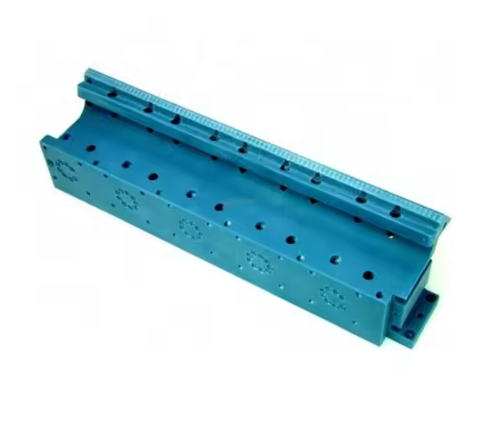
3D printing offers unparalleled design freedom compared to traditional subtractive manufacturing methods. Designers can create complex geometries, integrate internal features like cooling channels, and reduce the need for additional components, enhancing mold performance while minimizing material waste.
Reduced Production Time
One of the most significant advantages of 3D printing in mold manufacturing is the reduced production time. Traditional mold-making processes can take weeks or even months, while 3D printing can produce a functional mold in days. This time savings is especially valuable in industries requiring quick turnaround times.
Cost Efficiency
Unlike traditional manufacturing, which requires costly tooling and setup, 3D printing allows for the production of molds without the need for expensive molds or machining tools. This is particularly advantageous for small batch runs or prototyping, where the costs of traditional methods can be prohibitive.
Material Variety
3D printing supports a wide range of materials, from plastic to metal, enabling manufacturers to create molds for various applications. The ability to use different materials offers more choices in terms of mold durability, temperature resistance, and strength, making it possible to create molds that meet specific needs for different industries.
3D Mold Printing Drawbacks
While 3D printing has many advantages, there are still challenges to be addressed.
Material Limitations
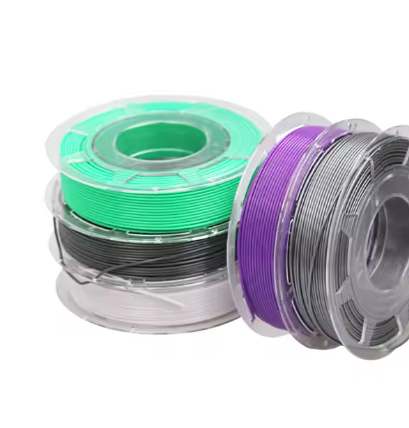
Currently, the materials used in 3D printing, particularly metal-based materials, do not yet match the strength and durability of traditional materials such as steel. As a result, 3D-printed molds may not be suitable for high-stress applications where traditional materials are essential.
Surface Finish and Precision
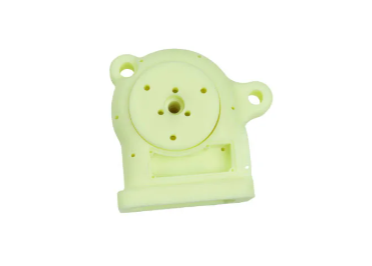
The surface finish of 3D-printed molds often requires post-processing, such as polishing or machining, to meet the required surface quality. Achieving the desired precision can also be a challenge, particularly for molds that require tight tolerances and intricate details.
Equipment and Expertise Costs
High-quality 3D printing machines, especially metal printers, can be expensive. Additionally, skilled operators are needed to manage the complex printing processes and perform post-processing. This can be a significant barrier for smaller businesses or those new to 3D printing.
How it Works Together
The combination of 3D printing and traditional manufacturing techniques offers a powerful solution to overcome the limitations of both approaches. For example, hybrid manufacturing processes that combine 3D printing with CNC machining allow manufacturers to leverage the benefits of both technologies.
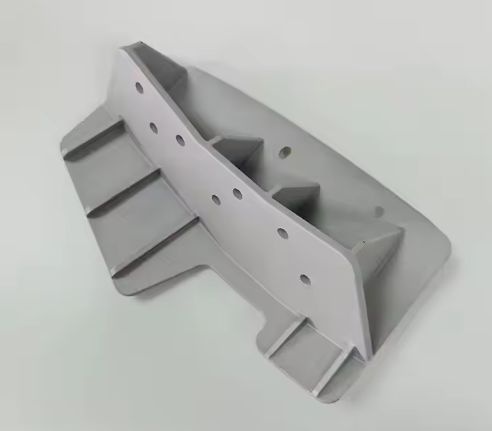
In this approach, 3D printing is used for creating complex geometries and features that are difficult to achieve with traditional methods, while CNC machining ensures high precision and smooth surface finishes. This hybrid method enables manufacturers to deliver superior results in less time, with reduced costs.
Another example of integration is the use of 3D printing for mold inserts. These inserts can be used in conjunction with traditional steel molds to create intricate features like cooling channels or to replace worn-out components without the need for a complete mold overhaul.
Conclusion
The integration of 3D printing into mold manufacturing has introduced numerous benefits, such as enhanced design freedom, reduced lead times, and cost savings. By utilizing 3D printing for rapid prototyping, complex mold structures, and mold repair, manufacturers can optimize production processes and achieve higher-quality results.
In Scojet, we provide excellent injection mold tooling service and 3D print service. If you have needs of injection molding, Contact us and we will respond you when we receieve your message!




