
 English
  Arabic
  French
  German
  Italian
  Russian
  Spanish
 Selecting the optimal metal casting process is critical for balancing part complexity, mechanical performance, and production cost. For low-volume custom parts, complex geometries, or high-volume production runs, engineers typically evaluate three primary methodologies: sand casting, die casting, and investment casting. This guide provides a direct engineering comparison of these techniques to help you optimize your manufacturing strategy.
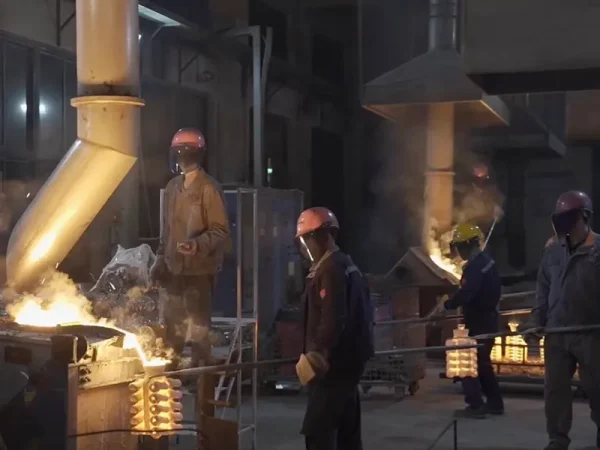
Overview of the Three Casting Processes
Sand Casting
Sand casting utilizes a refractory sand mixture to form a non-reusable mold around a reusable pattern. Molten metal is poured into the gravity-fed mold cavity, and once solidified, the sand mold is broken away to release the component.
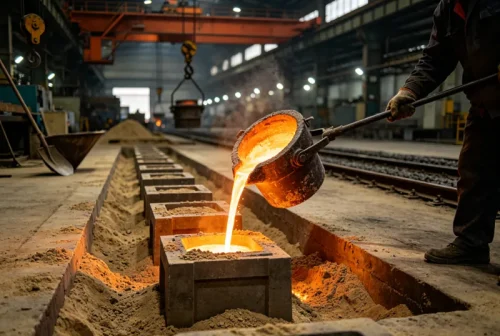
- Material Types: Universally compatible with almost all metals, including ferrous alloys (cast iron, steel) and non-ferrous alloys (aluminum, bronze, brass).
- Best Suited Manufacturing Scenario: Large-scale structural components, heavy machinery bases, and low-volume or prototyping runs requiring minimal upfront tooling investment.
- Pros: Exceptionally low initial tooling costs; handles extremely large parts (up to hundreds of tons); flexible design modifications.
- Cons: Rough surface finish (typically 12.5–25 µm Ra); lower dimensional accuracy; thicker minimum walls required.
- Typical Applications: Engine blocks, pump housings, machine tool bases, and heavy industrial brackets.
Die Casting
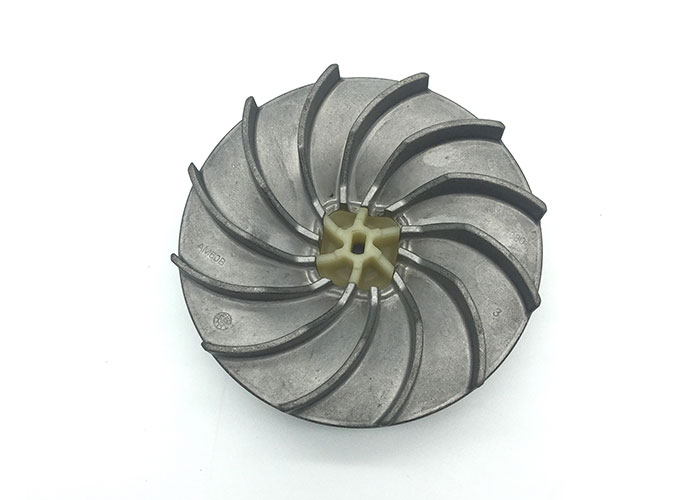
Die casting injects molten non-ferrous metals into a reusable, hardened steel mold (die) under high pressure. The metal solidifies rapidly under pressure, after which the die opens to eject the finished part.
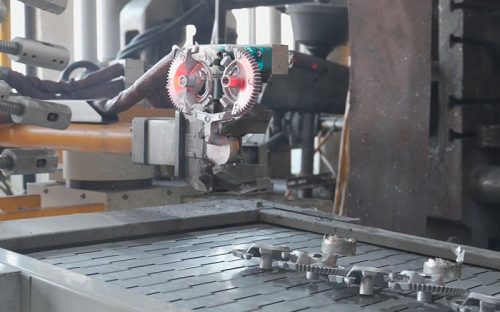
- Material Types: Limited to non-ferrous metals with lower melting points, primarily aluminum, zinc, magnesium, and copper alloys.
- Best Suited Manufacturing Scenario: High-volume production of thin-walled, highly accurate parts that demand minimal post-machining.
- Pros:Excellent dimensional tolerance; smooth surface finish (1.6–3.2 µm Ra); high production rates; thin wall capabilities.
- Cons: Prohibitively high upfront tooling and equipment costs; unsuited for low-volume custom runs; limited to non-ferrous alloys.
- Typical Applications: Automotive transmission cases, electronic enclosures, consumer hardware, and brackets.

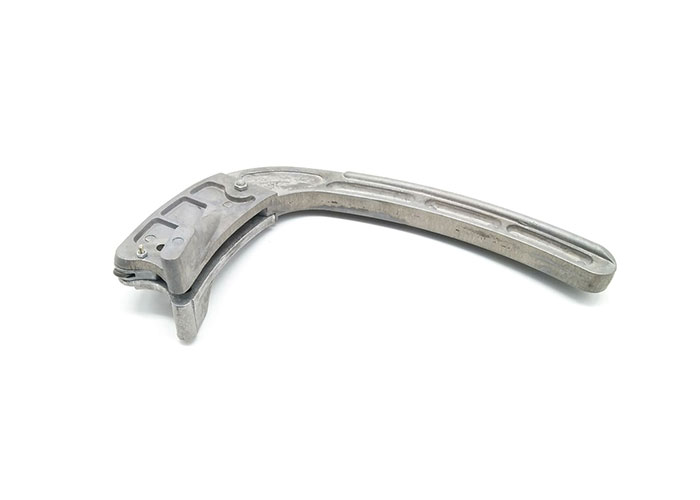
Investment Casting (Lost Wax)
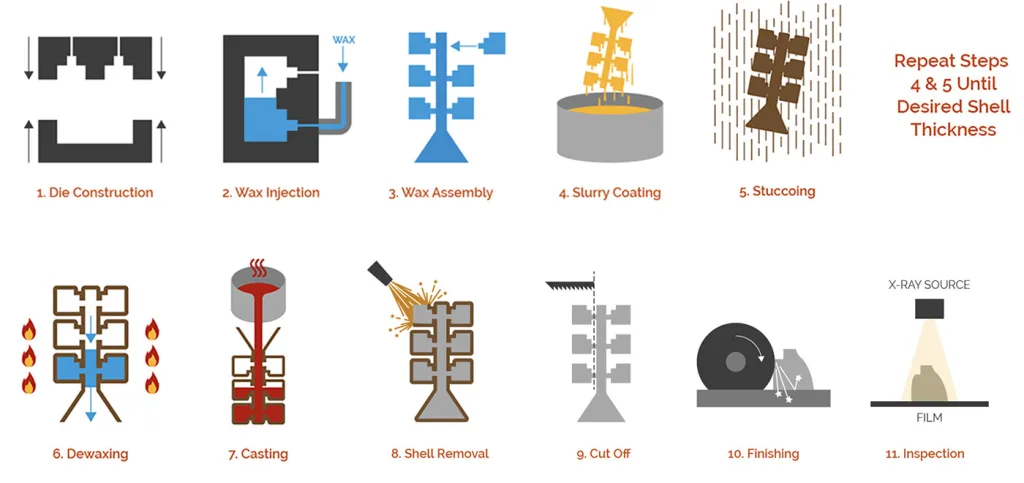
Investment casting injects wax into a die to create a pattern, which is then repeatedly dipped into a ceramic slurry to build a hard shell. The wax is melted out (hence “lost wax”), leaving a precise ceramic cavity. Molten metal is poured into the preheated shell.
- Material Types: Highly versatile; compatible with stainless steel, superalloys, carbon steel, aluminum, and copper.
- Best Suited Manufacturing Scenario:Small-to-medium parts with intricate internal geometries, strict tolerances, and a requirement for premium surface finishes. This fills the gap when analyzing die casting investment casting for high-melting-point alloys.
- Pros:Superior surface finish (1.6–3.2 µm Ra or better); exceptional dimensional accuracy; handles complex, unmachinable geometries; eliminates most secondary operations.
- Cons: High labor intensity and longer cycle times; higher per-piece cost than sand or high-volume die casting; moderate tooling cost.
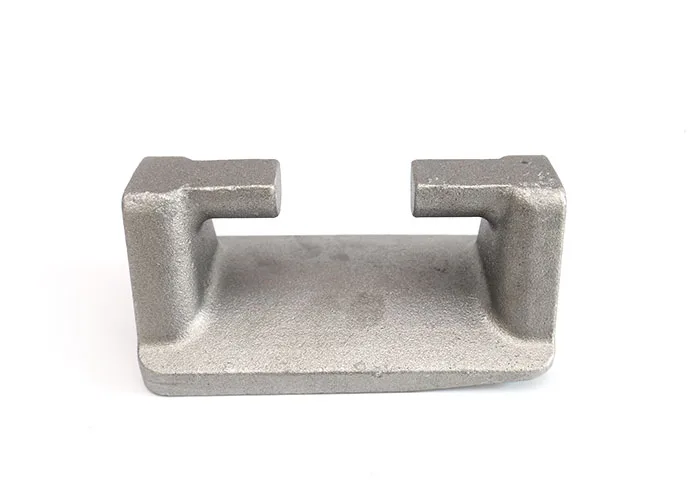
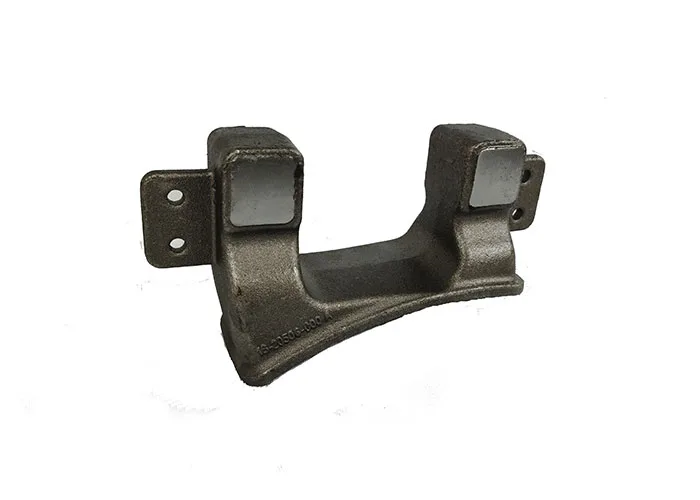
- Typical Applications: Turbine blades, aerospace components, medical implants, firearms components, agricultural machinery accessories and intricate valves.

Technical Comparison Matrix
The following table outlines the key operational, material, and cost differences across sand casting vs. die casting and die casting vs. investment casting workflows:
| Parameter | Sand Casting | Die Casting | Investment Casting |
| Tooling Cost | Low | Very High | Moderate to High |
| Per-Piece Cost | Moderate | Low (at high volume) | High |
| Economic Volume | 1 to 1,000+ pieces | 5,000+ pieces | 100 to 10,000+ pieces |
| Surface Finish (Ra) | 12.5 – 25 µm | 1.6 – 3.2 µm | 1.6 – 3.2 µm |
| Dimensional Tolerances | Poor to Fair | Excellent | Excellent |
| Min. Wall Thickness | 3.0 – 5.0 mm | 1.0 – 2.5 mm | 1.5 – 2.5 mm |
| Material Selection | Ferrous & Non-Ferrous | Non-Ferrous only | Ferrous, Non-Ferrous & Alloys |
| Complexity Limit | Moderate | Moderate (by draft/pull) | Extremely High |
| Max. Part Weight | Up to tons | Typically < 50 kg | Typically < 100 kg |
Selection Guide: Choosing the Right Casting Process
Select Sand Casting If:
- Your project involves a low-volume run, custom non-standard parts, or prototyping where high tooling amortization is unacceptable.
- The raw part weight exceeds 50–100 kg or demands massive structural dimensions.
- The material specified is a ferrous alloy (such as cast iron or heavy steel) that cannot be die cast.
- Strict dimensional tolerances and fine surface cosmetics are secondary, or can be achieved via targeted post-machining.
Select Die Casting If:
- Your production target involves high volumes (thousands of units) where upfront tooling costs are quickly offset.
- The component design requires thin walls, strict net-shape dimensions, and highly repeatable features.
- The material is limited to non-ferrous alloys like aluminum, zinc, or magnesium.
- Fast production cycles and minimal post-casting finish work are mandatory.
Select Investment Casting If:
- The part features intricate internal passages, complex geometries, or undercuts that cannot be drawn from a hard die steel mold.
- You require the near-net-shape accuracy and premium surface finish of die casting, but the specified material is steel, stainless steel, or a high-temperature superalloy.
- The production run is small-to-medium volume, yet demands exceptional precision to completely eliminate expensive secondary machining.
FAQ
Q: Which casting process yields the highest dimensional accuracy?
A: Both investment casting and die casting deliver excellent dimensional tolerances. Investment casting excels at intricate, complex details across a broader spectrum of alloys, while die casting delivers the highest repeatability and thinnest walls for non-ferrous alloys at scale.
Q: Which process should I choose if I plan to scale up production volume in the future?
A: Start with sand casting for prototypes or initial low-volume runs to validate your design with minimal upfront risk. Once your design stabilizes and demand scales significantly, transitioning to die casting becomes highly cost-effective, as high-volume runs easily amortize the initial tooling costs. Evaluating sand casting vs. die casting early helps you budget for this production scaling.
Q: Why can't standard steel alloys be manufactured using die casting?
A: Standard steel alloys have a high melting temperature (around 1,500°C) that would rapidly melt or destroy the hardened steel dies used in the process. When analyzing die casting vs. investment casting for steel components, investment casting is the definitive choice because its ceramic molds can easily withstand these extreme temperatures.
Q: What is the recommended casting method for pump housings and valve bodies?
A: It depends on the material and size. For standard cast iron pump or valve housings, shell mold casting balances cost and precision. For complex stainless steel valves, investment casting is preferred. However, for massive heavy-duty housings (exceeding 100 kg), resin sand casting is the most practical and economical methodology.




