
 English
  Arabic
  French
  German
  Italian
  Russian
  Spanish
 Magnesium die casting is a high pressure casting process used to produce lightweight metal parts with good dimensional accuracy and complex geometry. Magnesium is the lightest commonly used structural metal, so it is often selected when a product needs weight reduction without moving to plastic. It is widely used for automotive parts, electronic housings, power tool components, medical equipment covers, and other precision structures.
Magnesium die casting is not just a material choice. It also requires the right alloy, mold design, process control, surface protection, machining plan, and supplier experience. Scojet provides custom magnesium alloy die casting support as part of its broader custom metal part manufacturing service.
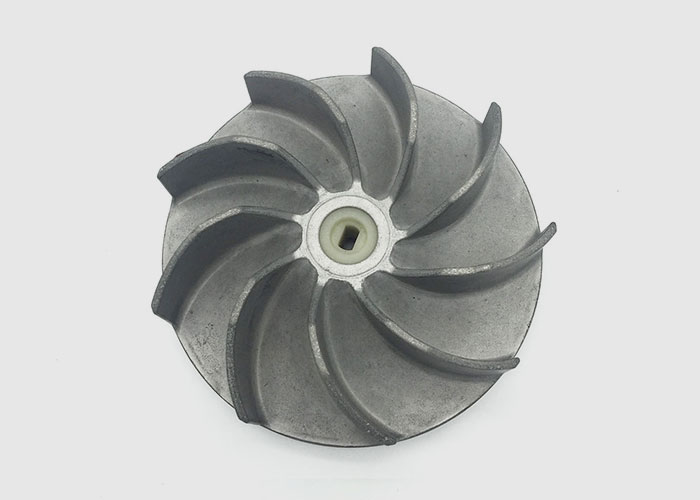
What is magnesium die casting?
Magnesium die casting injects molten magnesium alloy into a precision steel die under pressure. The metal fills the die cavity, cools quickly, and forms a near-net-shape component. After ejection, the casting may go through trimming, deburring, CNC machining, tapping, coating, painting, plating where suitable, or assembly.
The process is most useful when the part needs to be lightweight, thin-wall geometry, good dimensional stability, and repeatable production. Because magnesium alloys are reactive and process-sensitive, the supplier must understand melting, injection, mold protection, temperature control, and finishing requirements.
Key properties of magnesium alloys
Magnesium alloys have a very low density, which makes them attractive for lightweight designs. Scojet notes that magnesium alloy density is about 1.77-1.81 g/cm³, roughly 33% lighter than aluminum and about 73% lighter than zinc. This helps reduce product weight in automotive, electronic, and portable equipment applications.
Magnesium also offers a good strength-to-weight ratio, good machinability, good vibration damping, and useful thermal conductivity. It can provide electromagnetic shielding for electronic housings, which is one reason it is used in laptop, camera, and communication equipment parts. Magnesium is also recyclable, which supports material reuse in manufacturing.
Common magnesium die casting alloys
Different magnesium alloys are selected for different performance needs. AZ91D is one of the most common die casting alloys because it offers good castability, corrosion resistance, and strength. It is often used in automotive parts, communication equipment, and medical equipment. AM60B provides good castability, strength, and vibration damping, and is often used for car seat frames and panels. AM50A offers higher elongation and impact resistance, making it useful for parts that require toughness. AS41B has better high-temperature resistance and creep resistance and may be used in engine-related or heat-exposed applications.
| Alloy | Main feature | Typical use |
| AZ91D | Good castability, corrosion resistance, and strength | Automotive, communication, and medical equipment parts |
| AM60B | Good strength, castability, and damping | Car seat frames, panels, and structural parts |
| AM50A | Higher elongation and impact resistance | Toughness-focused automotive components |
| AS41B | Better high-temperature and creep resistance | Engine-related or heat-exposed parts |
Magnesium die casting process
The process starts with mold design. Engineers plan the die structure, gates, runners, vents, cooling, and ejection system. Good mold design helps the magnesium alloy fill thin sections while reducing defects and ejection problems.
Next, the magnesium alloy is melted and injected into the die cavity under controlled conditions. Scojet describes magnesium alloy die casting injection as a high-pressure process, with injection pressure depending on the machine and process type. The casting then cools and solidifies rapidly in the die. After demolding, the part is trimmed, cleaned, machined, and finished according to the drawing requirements.
Advantages of magnesium die casting
Lower weight than aluminum and zinc, making it suitable for lightweight products.
Good fluidity for complex and thin-wall part designs.
Fast solidification, which can support efficient production cycles.
Good dimensional accuracy for precision housings and structural covers.
Useful electromagnetic shielding for electronic equipment housings.
Good damping performance for parts exposed to vibration.
Limitations to consider
Magnesium is not the right material for every part. It needs experienced handling during melting and injection. In some environments, surface protection is required to improve corrosion resistance. Magnesium may also be less suitable for certain high-temperature or highly corrosive applications unless the alloy and coating system are carefully selected.
Discuss operating temperature, corrosion exposure, structural loads, surface finish, and assembly method before tooling starts. Supplier experience matters because small decisions in mold design, temperature control, and finishing can affect the final part quality.
Magnesium die casting applications
Common automotive applications include steering wheels, seat frames, instrument panel supports, brackets, and lightweight structural parts. In consumer electronics, magnesium die casting can be used for laptop housings, camera bodies, mobile device frames, projector parts, and heat dissipation structures. Power tools may use magnesium for housings and gearbox cases to reduce operator fatigue. Portable medical and industrial equipment can also benefit from strong, lightweight covers and brackets.
Magnesium die casting vs aluminum die casting
Factor | Magnesium die casting | Aluminum die casting |
Weight | Lighter, useful for weight-sensitive designs | Lightweight, but heavier than magnesium |
Strength | Good strength-to-weight ratio | Often higher absolute strength depending on alloy |
Machinability | Generally very good | Good for many die casting alloys |
Corrosion resistance | May need surface protection | Often easier to manage with common coatings |
Cost and availability | More specialized | More common and broadly used |
Magnesium die casting vs zinc die casting
Magnesium is much lighter than zinc, so it is usually preferred when weight reduction is important. Zinc is heavier, but it can provide excellent precision, a smooth surface, and long die life for small detailed parts. Magnesium is better suited for lightweight structural housings, while zinc is often a good choice for for small hardware, connectors, locks, and decorative components.
Design tips for magnesium die casting parts
- Keep wall thickness consistent to reduce filling and cooling problems.
- Use ribs instead of thick solid sections where extra stiffness is needed.
- Add proper draft angles for clean ejection.
- Avoid sharp internal corners and sudden thickness changes.
- Plan surface finishing early, especially for corrosion protection or cosmetic parts.
- Discuss critical tolerances before tooling starts, especially if CNC machining is required.
How to choose a magnesium die casting supplier
A qualified supplier should understand magnesium alloy behavior, high pressure die casting, mold design, temperature control, trimming, machining, and finishing. Ask about similar projects, quality inspection methods, and how the supplier manages surface protection. It is also important to confirm whether the supplier can support OEM customization and export requirements.
Scojet offers custom die casting services and magnesium alloy die casting for custom metal components. The company can support mold design, die casting, CNC machining, finishing, and quality control, helping customers move from prototype review to finished magnesium alloy parts.
FAQ
What is magnesium die casting used for?
It is used for lightweight housings, brackets, automotive parts, electronic enclosures, power tool components, and portable equipment parts.
Is magnesium die casting strong?
Yes, magnesium die cast parts can provide a good strength-to-weight ratio when the alloy, design, and process are suitable for the application.
Is magnesium lighter than aluminum?
Yes. Magnesium is lighter than aluminum, which makes it useful for weight-sensitive designs.
What magnesium alloy is used for die casting?
AZ91D is one of the most common choices. AM60B, AM50A, and AS41B may also be used depending on strength, toughness, damping, or temperature requirements.
Is magnesium die casting expensive?
It can cost more than some common aluminum die casting projects because it is more specialized. The final cost depends on alloy, part design, tooling, volume, machining, and finishing.
How do I choose a magnesium die casting manufacturer?
Look for magnesium alloy experience, tooling capability, process control, CNC machining support, finishing options, inspection capacity, and OEM project experience.
Conclusion
Magnesium die casting is a practical solution for lightweight precision metal parts. It provides low density, good machinability, useful damping, electromagnetic shielding, and thin-wall forming potential. It also requires careful alloy selection, mold design, process control, and surface finishing. For buyers developing custom magnesium alloy components, Scojet can support the project through die casting, machining, finishing, and quality control, helping turn lightweight part designs into manufacturable products.




