English
  Arabic
  French
  German
  Italian
  Russian
  Spanish
 Custom Extrusion Molding Service Company
Custom Plastic Extrusion Shapes and Applications
Plastic Extrusion Shapes
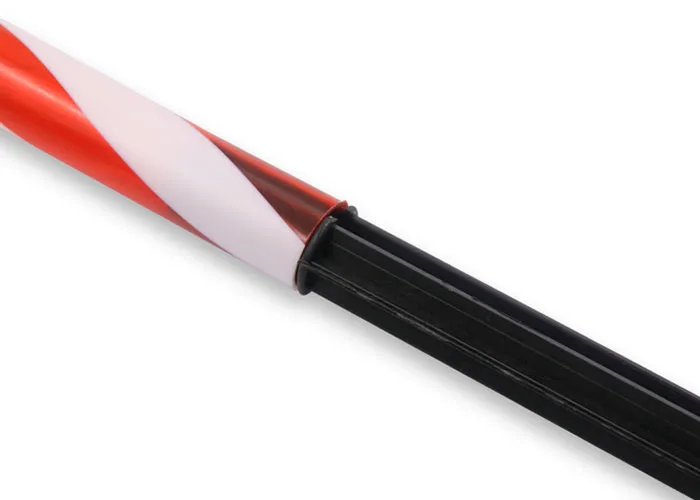
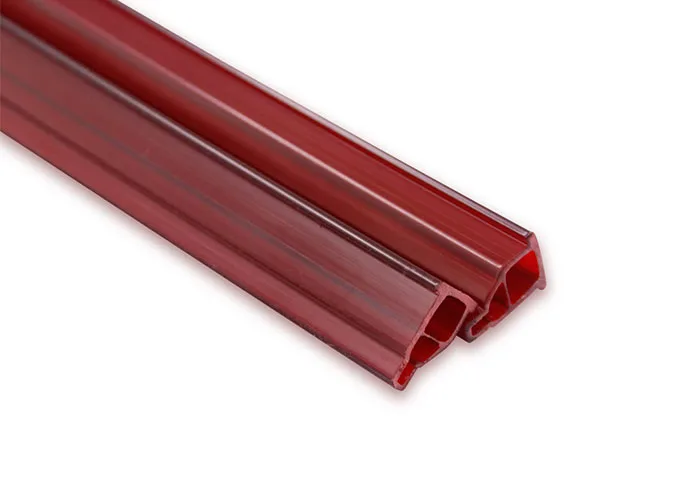
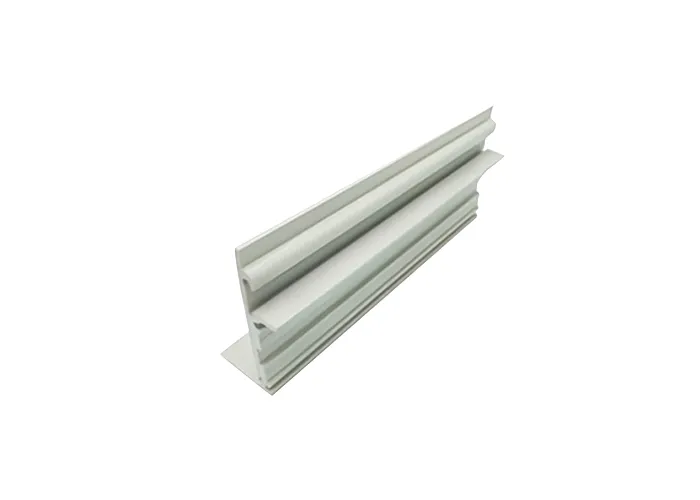
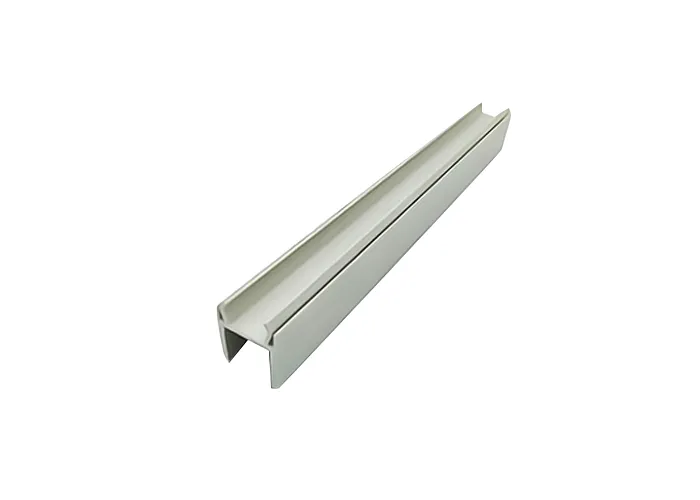
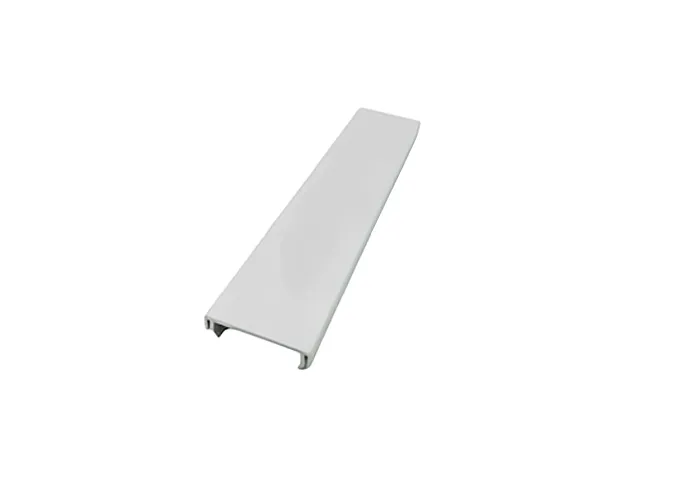
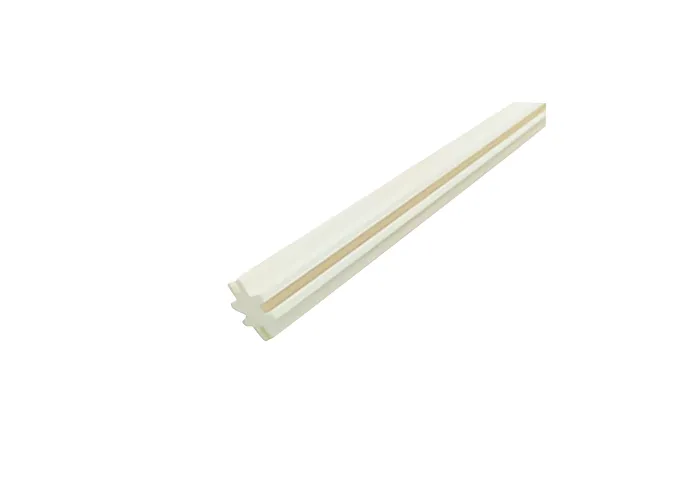
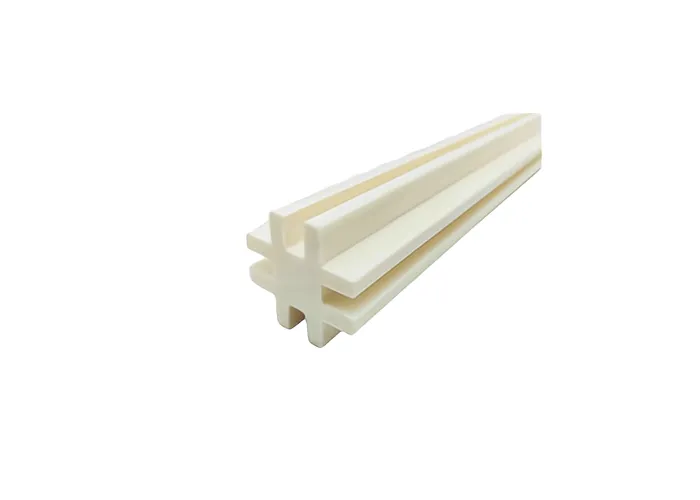
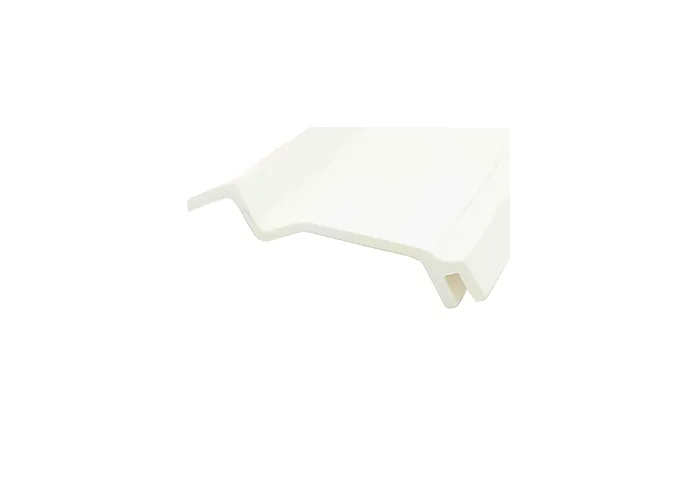
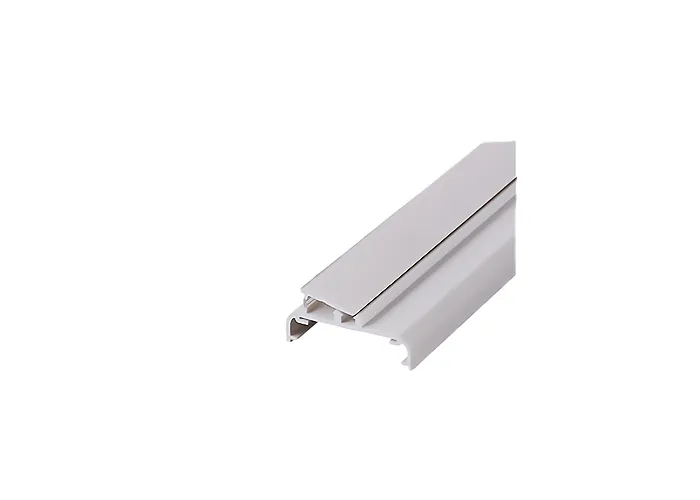
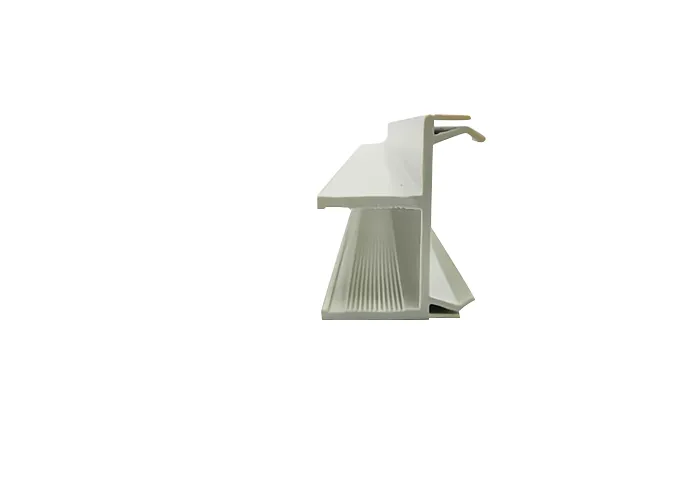
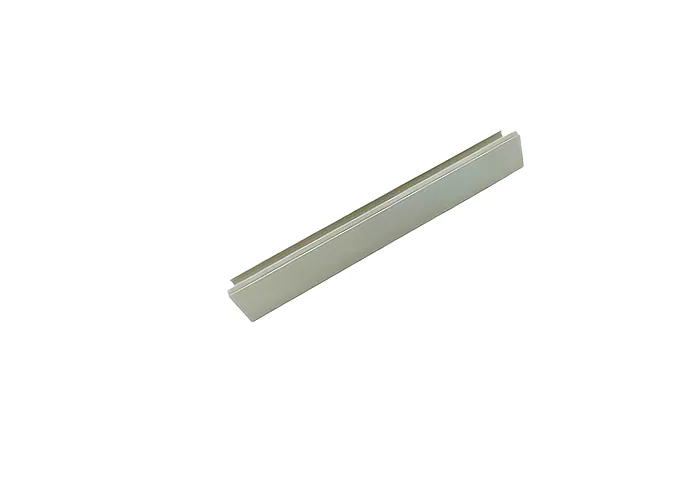
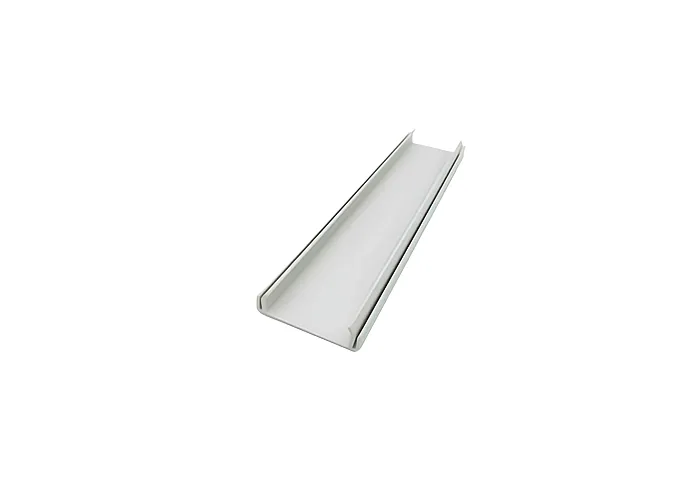
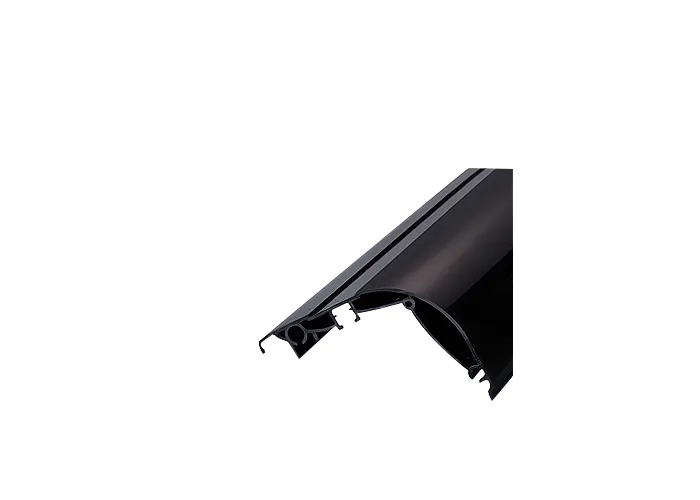
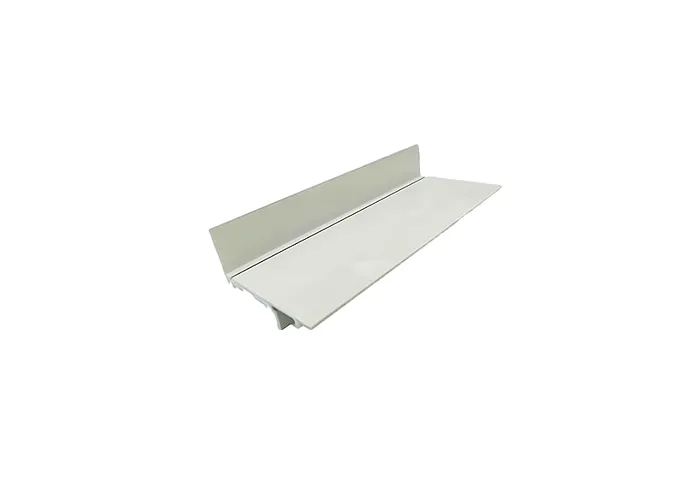
Plastic Extrusion Moulding processes can create a wide range of open and closed shapes, depending on the specific requirements. The most commonly used shapes include simple annular or square profiles, which are often employed in tube and piping applications. These profiles are typically designed to meet industry standards to ensure compatibility with fittings and other components. Scojet’s plastic extrusion service can manufacture enclosed profiles with up to four lumens, allowing designers to subdivide the internal space as needed. Open shapes such as U, J, or L channels and custom profiles can also be created to accommodate specific design configurations. As a custom plastic extrusions manufacturer, Scojet can surely meet your needs.
Plastic Extrusion Applications
Extrusion of plastics is extensively utilized across various industries to produce extruded plastic products and components for a wide range of systems. Below are some common applications for custom plastic extrusions, although designers can apply them for various general purposes.
Electrical Conduits
Plastic channels, known as conduits, are employed to protect wires and transmission lines, offering insulation and safeguarding these components from damage. Conduits are used in residential homes, commercial buildings, and industrial facilities, and plastic conduit is particularly effective at preventing short-circuiting compared to traditional extruding metal conduits.
Non-Corrosive Pipes
One of the most prevalent applications of plastic extrusion in the industry is the production of pipes for the transportation of water, waste, and other liquids. Unlike their copper, cast iron, and steel counterparts, plastic pipes are resistant to corrosion when exposed to chemicals or water, making them a significant improvement in plumbing and irrigation systems.
Weatherstripping and Trim
Extrusion for plastic takes the form of weather stripping, outer housing shingles, and various specialty cross sections and shapes. Plastic extruded trim serves to protect against sharp edges that could cause damage and is commonly used in consumer products, automotive applications, and industrial settings.
Examples of Custom Plastic Extrusions
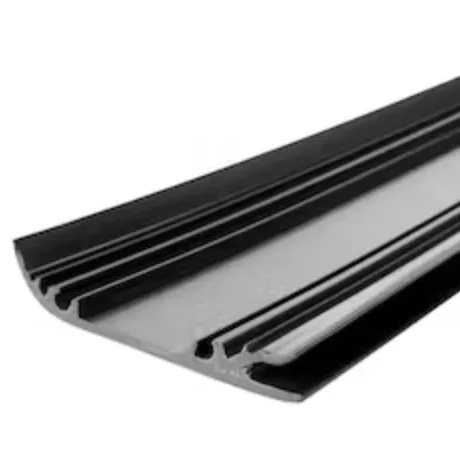
Custom Trim

Protective Strip
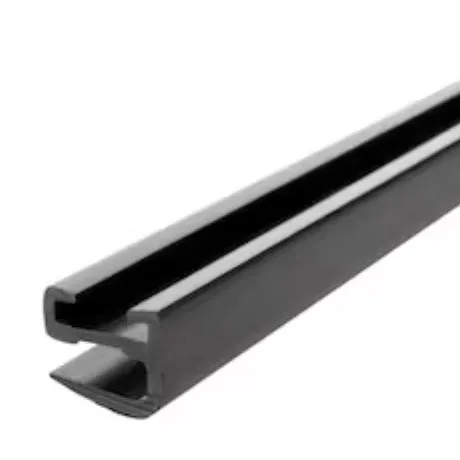
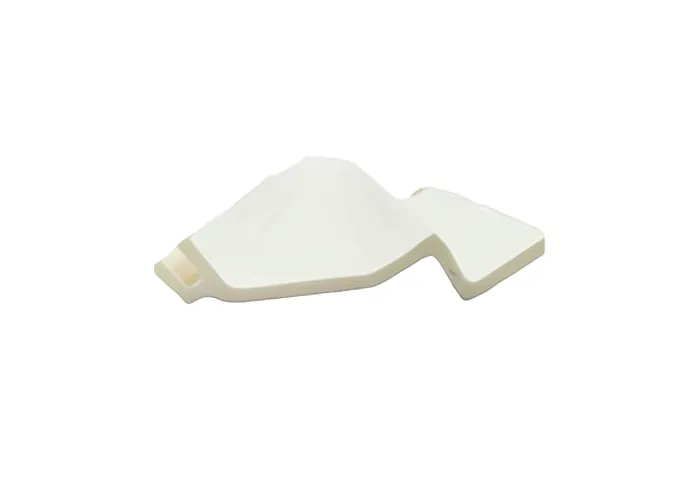
Environmental Seals
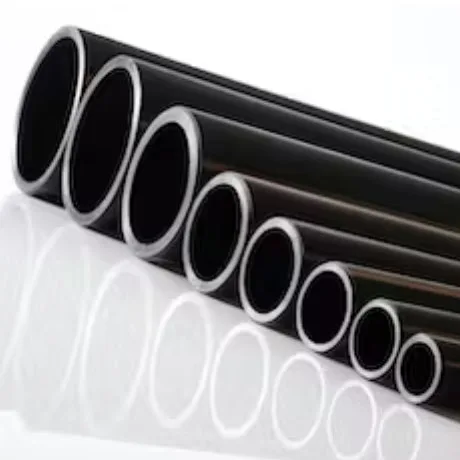
Non-standard Tubing
Plastic Extrusion Materials
Here is a list of materials offered by Scojet for creating custom plastic extrusions. If you don’t find your desired plastic on this list, please reach out to us through our manual quoting process when placing an order, and we can assist you in locating and fabricating it. Scojet is a plastic extrusion company which offer plastic extrusion services to our customers.
LDPE is a commonly used material for crafting custom plastic tube extrusion. It is known for its strength, cost-effectiveness, translucency, and general resistance to chemicals. While not suitable for applications involving flammability or exposure to harsh weather conditions, LDPE is a popular choice for small-diameter flexible extrusions that need to be FDA-compliant, such as food processing tubing.
Cross-linked polyethylene, or PEX, is a widely favored material for piping applications, often used in place of other types of polyethylene. PEX is essentially an extruded form of HDPE that has been cross-linked, providing increased heat and chemical resistance compared to other polyethylenes. It remains easy to work with and weld, and is a cost-effective alternative to copper for household water piping. PEX is commonly used in plumbing and water transport systems, including heating systems and sprinkler lines.
TPE combines the elasticity of rubber with the workability of thermoplastics, offering a unique alternative to latex, silicone rubber, and other thermosetting elastomers. Extruded TPE is heat and oil-resistant within working temperatures, accepts colorants, and is available in various hardness levels for both flexible and rigid applications. It is typically used to create handles for exercise equipment, medical seals, and other flexible products. Thermoplastic extrusion is also one of our service available.
PVC is a strong, lightweight, workable, and cost-effective material, making it highly popular for general-purpose applications. Extruded PVC tubes can be found in nearly every household, many pvc extrusion manufacturers often use them for various plumbing applications, both indoors and outdoors. Different types of PVC, such as CPVC, PVC-U, PVC-O, are formulated for specific working conditions and are in constant demand in construction, structural, and high-volume applications. Scojet can do what pvc extrusion companies do, we are a pvc extrusion supplier .Find your best pvc extrusion parts here.
ABS is a common choice for various plastic parts, thanks to its blend of aesthetics, strength, and wide availability. Extruded ABS is ideal for decorative trim on appliances, equipment, and pipes used for water and waste. It is also used in extrusion manufacturing steps for various production needs, allowing designers to start from a consistent existing profile.
Polystyrene is an economical, insulating, and easily workable material. Extruded polystyrene, sometimes referred to as XPS, has higher mechanical strength compared to expanded polystyrene, making it a more rigid foam product. Common applications include ceiling insulation, refrigeration, modeling, hobby crafting, and more.
Polypropylene extrusion shares similarities with polyethylene extrusion but is lower in cost and has a higher temperature tolerance. It is known for its durability, and plastic hinges on shampoo bottle caps are often made from PP. PP extrusions are commonly used in automotive tubing, toy parts, food-grade tubing, and more, and can be easily customized for translucent, opaque, and multi-colored designs.
Polycarbonate, or PC, offers excellent impact and temperature resistance while remaining cost-effective. Its dimensional stability and transparency make it highly suitable for impact-resistant windows, reusable bottles, electrical components, personal protective equipment, rigid plastic extrusion profiles, and various other applications. Polycarbonate extrusion service can be found in Scojet, we provide lots of plastic extrusion service for our customers.
scojet Plastic Surface Treatment
| Material Type | Specific Material | Surface Treatment | Technical Features |
| General Plastics | Polyethylene (PE) | Plasma Treatment | Improves adhesion strength (up to 10x), suitable for films, pipes, and packaging materials. |
| Polypropylene (PP) | Chromic Acid Etching | Significantly enhances polarity (adhesion strength increases by 600x), suitable for transparent products and pipes. | |
| Polyvinyl chloride (PVC) | Spraying | Rich color options, supports complex structures, but has higher cost. | |
| Polystyrene (PS) | IMD (In-Mold Decoration) | Embedded graphics and text, wear-resistant, suitable for automotive light covers and other transparent components. | |
| ABS | Electroplating | Provides metallic texture, requires pre-treatment (e.g., chromic acid etching), ensures strong coating adhesion. | |
| Engineering Plastics | Polyamide (PA, nylon) | Chemical Etching | Enhances surface polarity, suitable for automotive parts and textile fibers. |
| Polycarbonate (PC) | UV Curing Coating | Improves surface hardness and weather resistance, used in optical components (e.g., automotive light covers). | |
| Polyoxymethylene (POM) | Laser Engraving | High-precision marking, environmentally friendly, suitable for gears, bearings, and other precision parts. | |
| Special Engineering Plastics | Polyphenylene sulfide (PPS) | Sodium Naphthenate Etching | Enhances adhesion performance (up to 10x improvement), suitable for high-temperature electronic components. |
| Polyetheretherketone (PEEK) | Plasma Etching | Improves surface energy, used for biomedical materials and aerospace components. | |
| Modified Plastics | Chlorinated polypropylene (MCPP | Flame Treatment (AtmaP Technology) | Grafting coupling agents enhance adhesion, suitable for coating and bonding applications. |
| Film-Type Plastics | LDPE/LLDPE/HDPE | Corona Treatment | Increases surface tension, improves printability, but with limited effectiveness. |
Extrusion Advantages and Disadvantages
Advantages of Plastic Extrusion
Dimensional Accuracy and Stability
Modern extrusion processes utilize advanced equipment and techniques to produce extruded shapes with high dimensional accuracy and stability. This method is suitable for a wide range of materials, including rigid, pliable, and elastomeric ones.
Low Part Cost
With thoughtful design, extruded frames and housings have the potential to replace multi-part assemblies, reducing overall production costs. Additionally, high production volumes are easily attainable and cost-effective.
Lower Tooling Cost
The simplicity of the extrusion process results in significantly lower tooling costs, typically 80-90% less than processes like injection molding.
Part Complexity
Extrusion is well-suited for creating parts with intricate cross-sectional forms, including features such as undercuts, T-slots, interior channels, and grooves.
Disadvantages of Plastic Extrusion
Initial Setup Cost
In addition to the per-piece cost of extrusions, there are expenses associated with setting up the necessary tooling, production lines, and meeting material minimums.
Design Limitations
While the process allows for complex profiles, it can impose restrictions on design freedom. The cross-section of the extrusion must remain constant, making it challenging to incorporate features like countersunk holes, pockets, or bosses. Such features may require additional post-machining steps.
Lead Times
The number of extrusion manufacturers is limited due to the substantial machinery and facility requirements associated with the process. Furthermore, lead times for producing and refining dies can extend over several weeks. As a result, lead times for initial parts deliveries typically range from 4 to 6 weeks.
Gallery of Extrusion Molding Parts